
TL;DR

Get business pricing on garage and car supplies
- Business-only prices and quantity discounts
- Tax-exempt purchasing
- Multiple users, one account, clear invoices
A growing debate is emerging over whether some electric two-wheelers qualify as e-bikes or mopeds. The classification depends on who you ask, impacting regulations and legal definitions. This trend is gaining attention amid increasing sales and regulatory discussions.
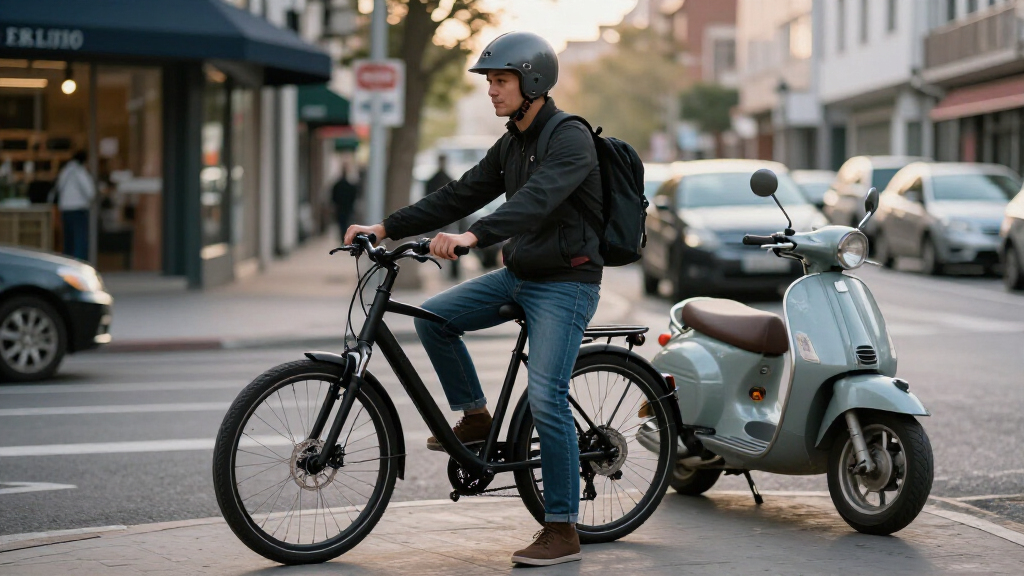
Confusion over whether certain electric two-wheel vehicles should be classified as e-bikes or mopeds is intensifying, with authorities, manufacturers, and consumers disputing the definitions. This debate has significant implications for regulation, licensing, and safety standards, making it a key issue as electric mobility gains popularity worldwide.
Recent reports indicate a surge in online searches and media coverage questioning the classification of specific electric vehicles, especially those that resemble traditional bicycles but have motor assistance exceeding typical e-bike limits. The core of the dispute lies in differing legal definitions across jurisdictions, with some authorities considering these vehicles as e-bikes that require minimal regulation, while others classify them as mopeds subject to licensing, insurance, and safety standards.
Manufacturers and riders are affected by these classifications because they determine what safety equipment is necessary, licensing requirements, and where these vehicles can be legally operated. Some regions have clear laws, but many are still interpreting or updating regulations to address this emerging category of electric vehicles. The debate is also fueled by the rapid growth in electric scooter and bike sales, which blur traditional distinctions.
While the trend is clear, the specific triggers for the current spike in interest are not fully confirmed. Experts suggest that recent legislative proposals, court cases, or media coverage may be influencing public and official perceptions, but concrete details remain unverified at this stage.
Legal and Safety Implications of Vehicle Classification
This debate matters because the classification directly impacts regulatory compliance, safety standards, and rider rights. If certain vehicles are deemed mopeds, riders may face licensing, insurance, and safety equipment requirements that do not apply if they are classified as e-bikes. Conversely, misclassification could lead to safety risks or legal issues for manufacturers and consumers. The outcome could influence future legislation and market development in the electric mobility sector.
As an affiliate, we earn on qualifying purchases.
Growing Popularity and Regulatory Uncertainty
The rise of electric bikes, scooters, and mopeds has transformed urban mobility, with sales increasing globally. However, the lack of unified regulations creates confusion over how to classify and regulate these vehicles. Historically, e-bikes have been defined by power limits and pedal-assist features, but newer models with higher speeds and power levels challenge existing categories. Several jurisdictions are currently reviewing or updating laws, reflecting a broader trend of regulatory lag behind technological innovation.
The current wave of interest appears linked to recent legal debates, court rulings, or legislative proposals that question whether these new electric vehicles should be treated as bicycles or motor vehicles. While no definitive policy change has been announced, the trend indicates a growing focus on clarifying legal standards to accommodate evolving vehicle designs.
Unconfirmed Triggers Behind the Search Surge
Specific events or announcements prompting the recent spike in interest remain unconfirmed. It is unclear whether legislative proposals, court rulings, media reports, or other factors are primarily responsible for the increased attention. Experts suggest that the trigger is likely a combination of these elements, but no definitive source has been identified.
Expected Regulatory Clarifications and Industry Response
Regulators in various regions are expected to review and potentially update vehicle classifications to address the emerging market. Legal debates and court cases may further influence these decisions. Meanwhile, manufacturers are likely to lobby for clearer standards to avoid legal ambiguity, and consumers can anticipate new rules affecting how and where they can ride these vehicles. Monitoring legislative developments over the coming months will be key to understanding the final landscape.
Key Questions
Why does the classification of electric bikes matter?
It determines what safety standards, licensing, and legal requirements apply, affecting rider rights, safety, and market regulation.
Are all electric bikes considered mopeds?
No, classification varies by jurisdiction and vehicle specifications. Some regions distinguish based on speed, power, and pedal assist features.
What are the potential legal consequences of misclassification?
Misclassification could lead to fines, legal disputes, or safety issues if vehicles are not properly regulated or insured.
How are manufacturers responding to this debate?
Many are seeking clearer regulations to ensure compliance and avoid legal risks, while some are adjusting vehicle designs to meet different standards.
When might we expect a resolution?
Regulatory bodies are likely to review and update standards over the next few months, but a definitive resolution timeline is not yet available.
Source: rss
Fall Picks
fall essentials
As an affiliate, we earn on qualifying purchases.