
To guarantee your child’s safety, install the car seat tightly against the vehicle seat with minimal movement, following the manufacturer’s instructions for either the seat belt or LATCH system. Use built-in indicators to set the correct recline and check that the harness is snug without slack, with the clip at armpit level. Always double-check your installation and harness fit before each trip. Keep learning to make sure you’re doing everything right for your child’s safety.
Key Takeaways
- Secure the seat tightly against the vehicle seat with minimal movement, using seat belt or LATCH system.
- Ensure harness straps are flat, snug, and positioned at armpit level for maximum protection.
- Follow manufacturer instructions for correct installation and proper routing of the seat belt or LATCH anchors.
- Check the seat’s stability by shaking at the base; it should shift less than one inch.
- Regularly recheck harness tightness and seat position as the child grows to maintain safety.

Installing a child seat correctly is vital for your child’s safety, and understanding the basics can make the process much easier. One of the most important aspects is knowing how to properly secure rear facing seats. These seats are designed to protect your child’s head, neck, and spine in the event of a crash, and they should be used as long as your child’s height and weight allow. When installing a rear facing seat, ensure it’s tightly secured against the vehicle seat. It shouldn’t move more than an inch side to side or front to back when you test it at the belt path. Many seats have built-in level indicators that help you position the seat at the correct angle, which is vital for safety and comfort. Adjust the recline as needed, following the manufacturer’s instructions, to keep your child’s airway open and maintain proper posture.
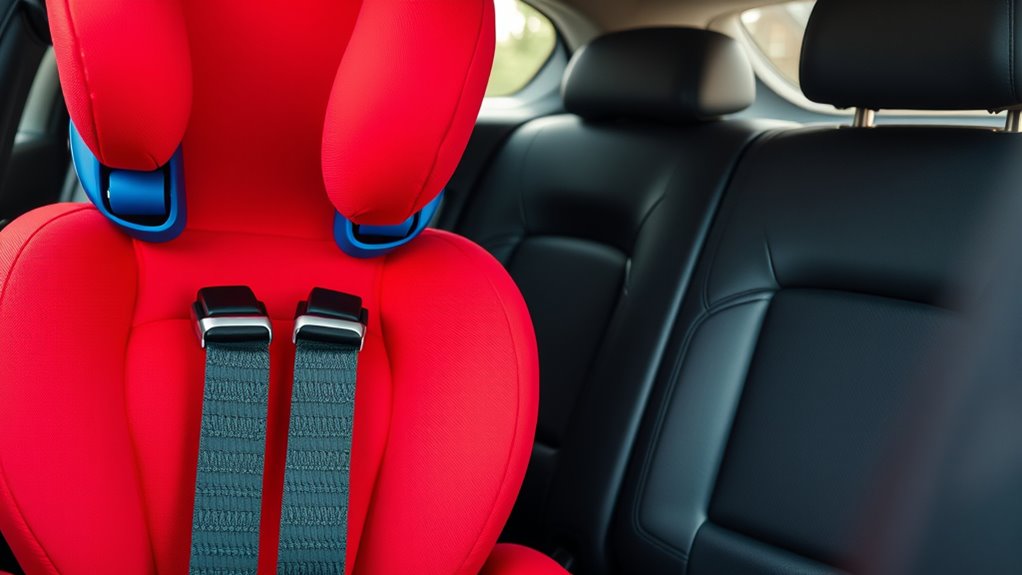
Secure rear facing seats tightly against the vehicle seat, ensuring minimal movement for maximum safety and comfort.
Another key element is harness tightness. Once your rear facing seat is installed, you need to make sure the harness fits your child snugly. The harness should be flat against your child’s body without any slack, but not so tight that it causes discomfort. To check, place your fingers at the harness straps at your child’s shoulders and try to pinch the fabric. If you can pinch any excess slack, tighten the harness until it’s snug enough that you can’t pinch any webbing. The harness clip should be positioned at armpit level to keep the straps properly aligned and secure. Remember, a loose harness can cause your child to move forward in a crash, reducing protection, while an overly tight harness can be uncomfortable and might restrict breathing.
When installing rear facing seats, always follow the manufacturer’s instructions and use the appropriate installation method—whether it’s seat belt installation or LATCH (Lower Anchors and Tethers for Children). Both methods require you to secure the seat firmly without excessive movement. If you’re using the seat belt, make sure it’s routed correctly through the designated belt path and locked in place. For LATCH systems, ensure the anchors click securely and that the connectors are properly attached. Always double-check the installation by giving the seat a firm shake at the base; it should not shift excessively. Additionally, understanding the importance of proper installation can significantly impact the overall safety and effectiveness of the child seat, especially considering how contrast ratio influences image quality in projectors, which similarly affects overall viewing clarity and safety.
Finally, after installation, double-check the harness tightness and seat position before every trip. Children grow quickly, so you’ll need to adjust the harness and ensure the seat remains securely installed. Taking these steps will help you confidently install your child’s rear facing seat, providing the best possible protection and peace of mind during every drive.

Car Seat Latch Anchor Kit – Converts Older Cars to ISOFIX Compatibility Interface, Safety Car Seat Adapter Tether Bracket Mount for Vehicles Heavy-Duty Steel Easy Install (Check Size Before Buy)
- ISOFIX Adapter for Older Vehicles: Enables ISOFIX seat installation in non-ISOFIX cars
- Compatibility Check Required: Verify car fit before purchase, ensure gap ≥13in
- Easy Installation: Simple to mount and secure in vehicle
As an affiliate, we earn on qualifying purchases.
As an affiliate, we earn on qualifying purchases.
Frequently Asked Questions
How Often Should I Check My Child’s Car Seat for Safety?
You should check your child’s car seat for safety at least monthly to guarantee it remains secure and in good condition. Additionally, have a professional inspection once a year to catch any issues you might miss. Regular inspections help you catch loose straps, cracks, or other damage early, keeping your child safe. Make it a routine to inspect the seat often, especially after any car accident or if the seat experiences rough handling.
Can I Install a Child Seat Without Using the LATCH System?
Yes, you can install a child seat without using the LATCH system by opting for an alternative installation. You need to verify seat belt compatibility, meaning the seat belt locks securely and fits properly into the seat’s belt path. Always follow the manufacturer’s instructions for both the seat and your vehicle. Double-check the installation, tighten the belt, and secure the seat firmly to keep your child safe during every ride.
Are There Specific Child Seats for Different Vehicle Types?
Yes, there are specific child seats for different vehicle types. You need to check vehicle compatibility before buying, guaranteeing the seat fits well and meets safety standards. Pay attention to seat size requirements, as some seats are designed for smaller cars or SUVs. Always follow the manufacturer’s guidelines to ensure proper installation and maximum safety for your child. This helps you select the right seat that works perfectly with your vehicle.
What Should I Do if the Car Seat Belt Isn’t Fitting Properly?
If the seat belt isn’t fitting properly, first check the belt tension and make sure it’s snug without slack. Adjust the seat belt routing if needed, making sure it follows the manufacturer’s instructions. You might need to reposition the child seat or tighten the belt further. If it still doesn’t fit correctly, consider trying a different seat or consulting the vehicle’s manual or a professional to ensure proper installation and safety.
How Do I Know if the Child Seat Is Installed Correctly?
You’ll know the child seat is installed correctly if the seat belt has proper tension—meaning it’s snug without slack—and the harness fits snugly against your child’s chest, allowing only one finger’s width of space. Check that the seat doesn’t move more than an inch side to side or front to back when you attempt to shift it. Regularly recheck these points to guarantee ongoing safety and proper installation.
Conclusion
Now that you’ve learned the basics of child seat installation, you’re well-equipped to keep your little one safe on every journey. Remember, proper installation is like having a secret weapon—think of it as your own personal Excalibur in the quest for safety. Double-check the seat’s snugness and harnesses, and don’t rush. With these tips, you’re ready to be the hero your child needs, ensuring their safety in today’s busy world.