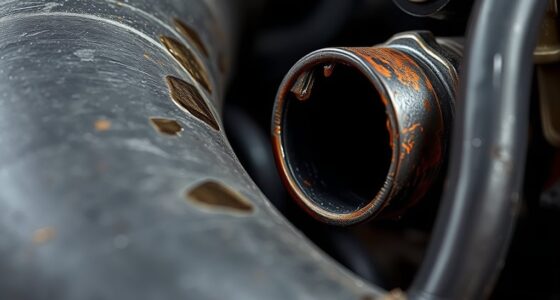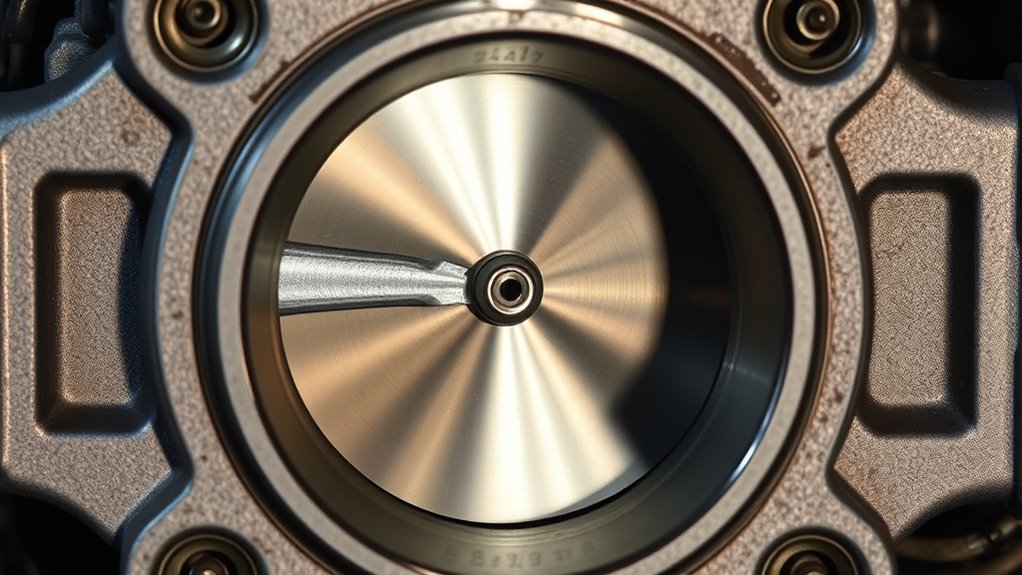

Throttle body problems usually happen when sensors like the throttle position sensor or mass airflow sensor malfunction or get dirty over time. Dirt, grime, and carbon buildup can impair sensor function, causing issues like engine hesitation, rough idling, or sluggish acceleration. Proper cleaning can often fix these problems, but if issues persist, further inspection or replacement might be needed. Keep exploring to learn how to identify and resolve throttle body issues effectively.
Key Takeaways
- Sensor malfunctions, dirt buildup, or grime can cause throttle body issues, leading to poor engine performance.
- Symptoms include fluctuating RPMs, rough idle, sluggish acceleration, and check engine light activation.
- Regular cleaning of sensors and the throttle body helps prevent dirt buildup and sensor failures.
- Troubleshooting involves inspecting sensors, cleaning components, and using an OBD-II scanner to clear error codes.
- If cleaning doesn’t resolve problems, sensor replacement or professional repair may be necessary.
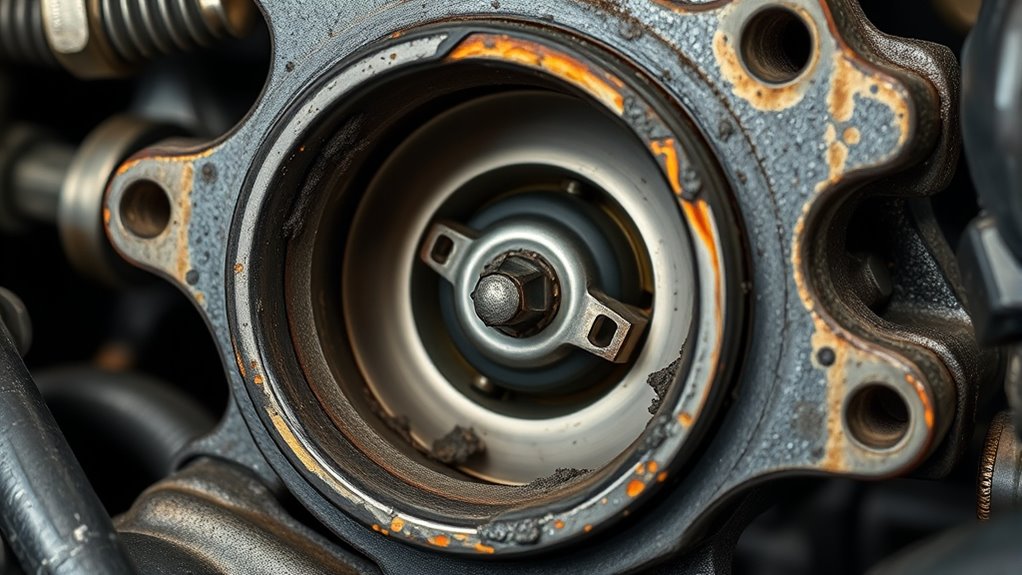
Throttle body problems can cause a range of performance issues in your vehicle, from rough idling to poor acceleration. One common culprit behind these issues is sensor malfunction, which often leads to incorrect readings sent to your engine control unit (ECU). When sensors—such as the mass airflow sensor or throttle position sensor—fail or give inaccurate data, your vehicle may struggle to maintain smooth operation. These malfunctions can cause your engine to hesitate, stall, or run roughly at idle. Luckily, many sensor-related problems are fixable through proper cleaning techniques. Over time, dirt, carbon buildup, and grime can accumulate on sensors and inside the throttle body, impairing their ability to function correctly. Regular cleaning can restore sensor accuracy and improve overall engine performance.
To start, you should identify if the sensor malfunction is causing your throttle issues. Symptoms include fluctuating RPMs, sluggish acceleration, or the check engine light turning on. Once confirmed, cleaning the throttle body and sensors is a straightforward process that can often resolve these problems without needing replacement. First, you’ll want to disconnect the negative terminal of your battery for safety. Then, locate the throttle body—usually situated between the air filter and intake manifold. Remove the air intake hose carefully, being mindful of any clamps or connectors. Using a throttle body cleaner or a specialized sensor cleaning solution, spray the inside of the throttle body and the sensors gently but thoroughly. Avoid using harsh brushes or abrasive tools, as they can damage sensitive components. Instead, use a soft cloth or a non-abrasive brush to wipe away carbon deposits and grime gently.
After cleaning, it’s essential to allow the components to dry completely before reassembling everything. Reattach the air intake hose and reconnect the battery. You may need to clear any error codes with an OBD-II scanner, especially if the check engine light was triggered during sensor malfunction. Performing this cleaning regularly helps prevent sensor malfunction caused by dirt buildup and ensures your throttle body operates smoothly. Additionally, understanding the importance of sensor maintenance can help in preventing future issues. Remember, if cleaning doesn’t resolve the problem, the sensor itself might need replacing. In that case, consult a professional mechanic to diagnose and handle the repair properly. Maintaining clean sensors and throttle body components not only improves your vehicle’s responsiveness but also extends its lifespan, saving you money in the long run.
Top picks for "throttle body problem"
Open Amazon search results for this keyword.
As an affiliate, we earn on qualifying purchases.
Frequently Asked Questions
How Can I Prevent Throttle Body Issues From Occurring?
To prevent throttle body issues, you should perform regular throttle body maintenance, including cleaning it with a suitable cleaner to remove dirt and carbon buildup. Avoid using cheap aftermarket parts that might not fit properly or cause problems. Keep an eye on your car’s performance and address any irregularities promptly. Regular maintenance and choosing quality aftermarket parts help guarantee your throttle body stays clean and functions smoothly.
Are There Specific Driving Habits That Cause Throttle Body Problems?
Ever wonder if your driving patterns could cause throttle body issues? Aggressive acceleration, frequent idling, or neglecting regular maintenance routines can strain your throttle body over time. Driving aggressively causes dirt and carbon buildup, while ignoring routine cleanings accelerates wear. To keep it in top shape, drive smoothly, avoid unnecessary idling, and stick to maintenance schedules. These habits help prevent throttle body problems and extend your vehicle’s lifespan.
Can Throttle Body Problems Affect Fuel Efficiency?
Throttle body problems can definitely affect your fuel efficiency. When the throttle isn’t working properly, your engine may not get the right amount of air, leading to poor fuel consumption. Additionally, issues with the throttle body can interfere with emission control systems, causing increased emissions and possibly failing emissions tests. Regular maintenance and prompt repairs help guarantee smooth airflow, improve fuel economy, and keep your vehicle environmentally friendly.
How Long Does a Throttle Body Replacement Typically Last?
A throttle body replacement typically lasts around 100,000 miles, but its lifespan depends on maintenance and driving habits. You can expect the replacement to be durable if you keep it clean and address issues early. Proper care extends its longevity, ensuring smooth engine performance. Remember, a well-maintained throttle body enhances fuel efficiency and engine response, making its durability worth the investment over time.
Are There DIY Methods to Clean or Fix a Faulty Throttle Body?
Yes, you can perform DIY throttle repair by cleaning your throttle body yourself. Start with throttle cleaning using a throttle body cleaner spray to remove carbon buildup, ensuring the engine idles smoothly. Disconnect the battery first, then remove the intake hose to access the throttle body. Carefully spray the cleaner inside, scrub gently if needed, and reassemble. This simple DIY throttle repair can improve performance without extensive tools or expertise.
Conclusion
If your throttle body struggles, it’s like trying to steer a ship through rough seas—everything feels off and unpredictable. When dirt or grime clogs the valve, your engine’s response slows, leaving you stranded in frustration. But with a quick clean or professional check, you can restore smooth sailing. Imagine your car gliding effortlessly, the engine purring like a contented cat. Addressing throttle body issues keeps your journey steady, safe, and full of confidence.