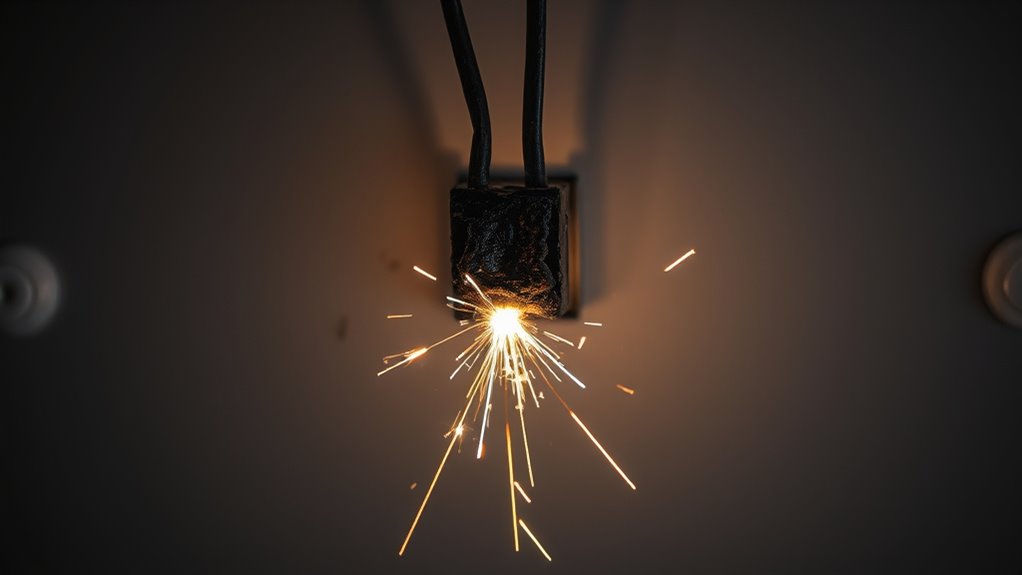

A blown main fuse means your home’s primary safety device has tripped to protect your wiring and appliances. It often happens when there’s an overload from too many devices running at once or a short circuit. When the fuse blows, power stops flowing to prevent damage or fire. To prevent future issues, it’s important to understand the causes and safety measures involved. Keep exploring to learn what steps you can take to keep your electrical system safe and functional.

Get business pricing on garage and car supplies
- Business-only prices and quantity discounts
- Tax-exempt purchasing
- Multiple users, one account, clear invoices
Key Takeaways
- A blown main fuse indicates an overload or short circuit in the electrical system.
- It prevents damage by disconnecting power when excess current flows through the circuit.
- Frequent blowing suggests underlying electrical issues needing inspection or repair.
- It’s a safety feature designed to protect wiring and appliances from overheating or fire.
- Professional assessment is recommended to identify causes and safely restore power.

Ever wonder what causes your main fuse to blow? Well, it’s often due to a circuit overload. When too many appliances or devices draw power simultaneously, the electrical load exceeds what your main fuse can handle. This overload causes the fuse to trip or blow as a safety measure to protect your entire electrical system from potential damage or fire. A blown main fuse is a clear sign that your system is under stress, and ignoring it can lead to more serious issues down the line. Recognizing patterns of behavior that lead to overloads can help you prevent future fuse blows and maintain a safer electrical environment.
Understanding circuit overload is key to preventing blown main fuses. Every electrical circuit has a maximum capacity, measured in amps. When that limit is surpassed—say, by plugging in high-wattage appliances together or overloading extension cords—the fuse senses this excess current and blows to cut off power. This safety mechanism is designed to keep your home safe by preventing overheating of wires, which could potentially cause fires. So, whenever your fuse blows unexpectedly, it’s a warning sign that your electrical system is being pushed beyond its safe limits.
Overloading circuits causes fuses to blow, protecting your home from wire overheating and potential fires.
To avoid frequent blown fuses, you need to adopt proper safety precautions. First, never overload a circuit intentionally—spread out your electrical devices across different outlets and circuits. Use power strips with built-in circuit breakers, which can help prevent overloads by cutting power before your main fuse blows. Regularly inspect your wiring and fuse box for signs of wear or damage. If you notice any frayed wires, scorch marks, or frequent fuse blows, it’s time to call a professional electrician. They can assess your system, identify underlying issues, and upgrade your electrical capacity if needed.
Always remember that safety comes first. When dealing with a blown main fuse, turn off the main power supply before attempting any repairs or inspections. Avoid trying to replace a blown fuse yourself unless you’re confident in your electrical skills. Incorrectly installing a fuse or using the wrong fuse rating can pose serious risks, including electrical shock or fire hazards. If you’re unsure, it’s best to consult a qualified electrician who can safely handle the situation.
circuit breaker with built-in overload protection
As an affiliate, we earn on qualifying purchases.
As an affiliate, we earn on qualifying purchases.
Frequently Asked Questions
How Can I Prevent My Main Fuse From Blowing Frequently?
To prevent your main fuse from blowing frequently, you should avoid circuit overloads by not plugging in too many high-power devices at once. Also, make certain you’re using a fuse compatible with your system’s specifications. Regularly check for damaged wiring or faulty appliances that could cause short circuits. If issues persist, consider consulting an electrician to evaluate your electrical setup and prevent future fuse blows effectively.
Is It Safe to Replace a Blown Main Fuse Myself?
It’s generally not safe to replace a blown main fuse yourself because fuse replacement involves working with high voltage and current. For DIY safety, always turn off the main power and use proper tools, but it’s best to call a licensed electrician. They have the expertise to handle fuse replacement safely, preventing electrical hazards or further damage. Prioritize safety by leaving main fuse repairs to professionals to avoid injury or property damage.
What Are the Signs of a Failing Main Fuse?
Think of your main fuse as the gatekeeper of your home’s electrical safety—if it’s failing, trouble’s brewing. Signs include frequent trips, flickering lights, or a burnt smell near your fuse box. Fuse replacement isn’t a DIY adventure without proper knowledge. Always prioritize electrical safety, and if these signs appear, consult a professional to prevent further damage or hazards. Stay vigilant to keep your home safe and powered.
How Often Should I Check My Main Fuse?
You should check your main fuse during regular fuse inspections, ideally every few months, to guarantee electrical safety. Regular inspections help catch issues early and prevent potential power outages or hazards. When inspecting, look for signs of wear, corrosion, or damage. Staying proactive with fuse checks keeps your electrical system safe and reliable, giving you peace of mind and reducing the risk of unexpected failures or safety hazards.
Can a Blown Main Fuse Cause Electrical Fires?
Could a blown main fuse really spark an electrical fire? Yes, it’s possible if you neglect fuse box maintenance or ignore electrical safety tips. A blown fuse indicates a circuit overload or short, which, if left unresolved, can lead to overheating and fires. Always inspect your fuse box regularly, replace blown fuses promptly, and guarantee proper maintenance. Staying vigilant helps prevent electrical hazards and keeps your home safe.
Conclusion
A blown main fuse might seem like a hassle, but it’s often a simple warning sign of underlying electrical issues. Did you know that electrical problems cause around 51,000 home fires annually? Staying proactive by checking your fuse box can prevent bigger problems down the line. Remember, addressing a blown fuse promptly keeps your home safe and avoids costly repairs. Don’t ignore that flickering light—your safety depends on it!
Halloween Picks
halloween
As an affiliate, we earn on qualifying purchases.