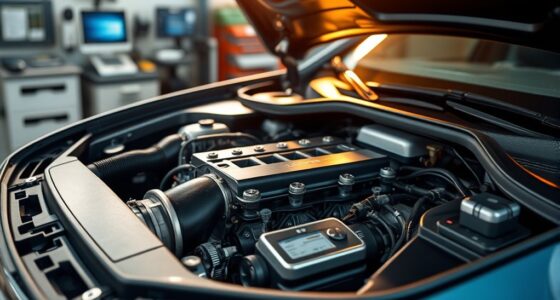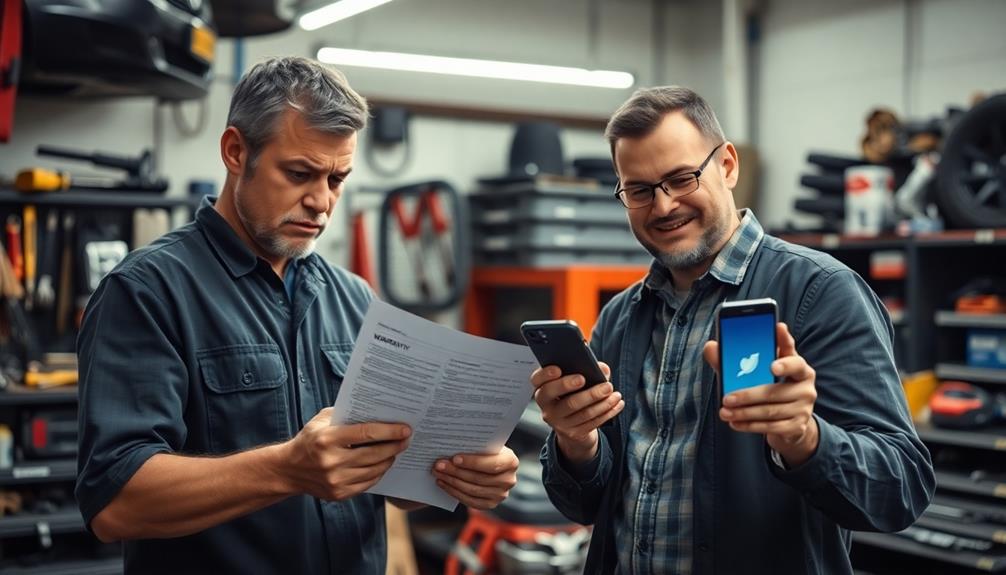

When it comes to wear items like brake pads, tires, and filters, your warranty coverage often depends on following the manufacturer’s maintenance schedule. These parts are designed to wear out over time with normal use, so keeping detailed records and sticking to recommended replacements can help prevent warranty issues. Neglecting proper maintenance might void your coverage if a component fails prematurely. If you want to learn how to safeguard your warranty and ensure proper upkeep, keep going for more tips.

Get business pricing on garage and car supplies
- Business-only prices and quantity discounts
- Tax-exempt purchasing
- Multiple users, one account, clear invoices
Key Takeaways
- Proper maintenance and timely replacements are essential to ensure warranty coverage for wear items.
- Keeping detailed records of inspections and service logs supports warranty claims for wear items.
- Adhering to manufacturer-recommended maintenance schedules prevents premature wear and potential warranty denial.
- Premature failure due to neglect or improper care may void warranty coverage for wear items.
- Warranty claims often require inspection or proof of proper upkeep, emphasizing the importance of documentation.
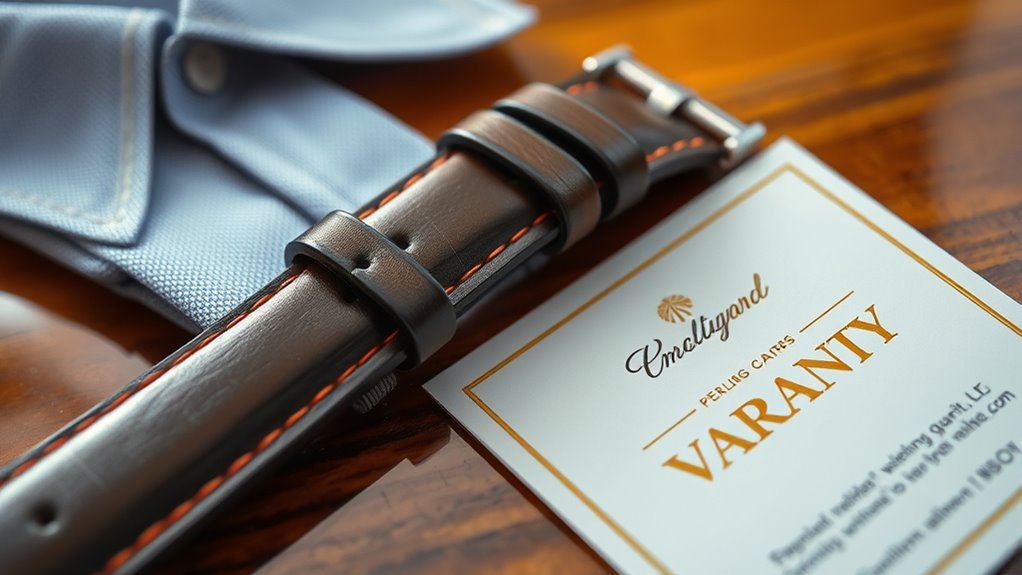
Have you ever wondered how wear items impact your warranty coverage? Understanding this connection is vital to protecting yourself and making sure your vehicle or appliance stays in top condition. Wear items are parts designed to wear out over time with normal use, like brake pads, filters, belts, and tires. Because these components are expected to degrade, manufacturers typically include specific guidelines about their maintenance and replacement. Staying on top of this information can make all the difference when it’s time to file a warranty claim.
Your maintenance schedule is your best tool for managing wear items. It’s a detailed plan that outlines when to inspect, service, or replace parts that are prone to wear and tear. Ignoring or delaying these recommended actions can lead to the failure of critical components. When you follow the prescribed maintenance schedule, you’re actively demonstrating that you’ve taken proper care of the product, which can streamline the warranty claims process. Manufacturers often require proof that maintenance was performed as scheduled when you file a claim related to wear items. Keeping detailed records, receipts, and service logs will help you substantiate your case, should questions arise.
Following your maintenance schedule and keeping records help ensure warranty coverage for wear items.
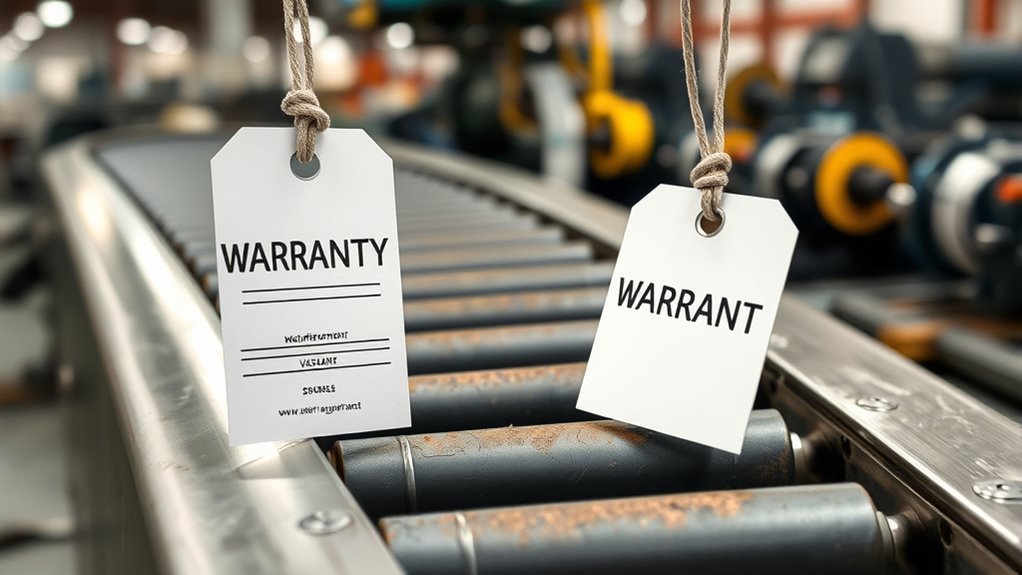
The warranty claims process for wear items generally hinges on whether you’ve adhered to the maintenance schedule and how well you documented your upkeep. If a wear item fails prematurely because you neglected scheduled replacements, the warranty might not cover the repair or replacement. Conversely, if you’ve diligently followed the recommended maintenance and can provide proof, your chances of a successful claim increase substantially. It’s also vital to understand what specific parts are covered under warranty and the duration of coverage for wear items, as different warranties have varying provisions.
In many cases, warranty providers will require an inspection or assessment before approving a claim involving wear items. They want to verify that the failure wasn’t caused by neglect, misuse, or improper maintenance. This makes it all the more important to be proactive about maintenance and keep thorough documentation. By staying disciplined with your maintenance schedule and understanding the warranty claims process, you protect yourself from unnecessary expenses and make sure that wear items are replaced or repaired in a timely manner. Proper storage conditions can also extend the lifespan of wear items and prevent premature failure. Ultimately, a little effort upfront can save you time, money, and frustration when wear items inevitably need attention.
Frequently Asked Questions
How Often Should Wear Items Be Inspected for Optimal Performance?
You should inspect wear items at regular intervals, typically every 250 to 500 hours of operation, depending on your equipment and usage. Consistent inspection frequency helps you catch signs of wear early, ensuring peak performance and preventing unexpected breakdowns. Make performance monitoring a routine part of your maintenance schedule, so you can replace worn parts promptly and keep your machinery running smoothly.
Are There Specific Brands Recommended for Warranty Coverage on Wear Items?
You should choose brands that prioritize compatibility and offer extensive warranty coverage. Look for reputable brands that clearly outline warranty exclusions, ensuring you get reliable support when needed. Trust brands known for their durability and customer service, so you’re protected against unexpected issues. By selecting trusted brands, you minimize risks, maximize warranty benefits, and enjoy peace of mind, knowing your wear items are covered when it matters most.
What Are Common Signs That a Wear Item Needs Replacement?
You’ll notice a wear item needs replacing if you see obvious signs like cracks, thinning, or uneven wear during visual inspection. Listen for unusual noises, such as squealing or grinding, which often indicate problems. Additionally, if you experience decreased performance or vibrations, it’s time to check the wear item closely. Regular inspection helps catch these signs early, preventing further damage and ensuring your equipment runs smoothly.
Can Warranty Claims Be Made if Wear Items Fail Prematurely?
Yes, you can make warranty claims if wear items fail prematurely, provided the failure isn’t due to misuse or neglect. Warranty coverage often includes premature failure of specific wear items, but you’ll need to demonstrate that the item failed under normal conditions. Keep records of the failure and follow the warranty claim process outlined by the manufacturer to guarantee your claim is considered.
Are There Maintenance Tips to Extend the Lifespan of Wear Items?
Sure, because who doesn’t love replacing wear items early? To extend their lifespan, you should follow simple maintenance routines like regular inspections and timely replacements. Practice storage best practices by keeping items clean, dry, and properly stored when not in use. Avoid neglecting these steps, and you’ll find your wear items last longer, saving you money and frustration—proof that good habits truly pay off.
Conclusion
Remember, wear items are like the changing seasons—inevitable and ever-shifting. Your warranty acts as a sturdy shield, but it’s not invincible against time’s relentless march. Treat your gear with care, and it’ll dance gracefully through many seasons. When wear begins to whisper its arrival, don’t ignore the call. Instead, embrace the cycle, knowing that with proper maintenance and understanding, you’ll keep your equipment shining like a lighthouse guiding you through life’s storms.
Halloween Picks
halloween
As an affiliate, we earn on qualifying purchases.