Start by checking your battery voltage; a fully charged battery should read around 12.6V, while anything below 11V indicates it might be dead. Confirm your terminals are clean, tight, and free of corrosion. Next, verify the ignition switch works by listening for sounds or testing power at the starter relay. Inspect fuses and wiring for damage or loose connections. If issues persist, understanding these steps will help you identify the root cause efficiently.

Get business pricing on garage and car supplies
- Business-only prices and quantity discounts
- Tax-exempt purchasing
- Multiple users, one account, clear invoices
Key Takeaways
- Check the battery voltage; a reading below 12V indicates a potential power supply issue.
- Test the ignition switch for proper operation and ensure it sends power to the starter circuit.
- Inspect starter relay and fuses for continuity and replace any blown components.
- Verify all wiring, terminals, and connections are clean, tight, and free of corrosion.
- Confirm neutral safety switch functions correctly, especially in automatic transmission vehicles.
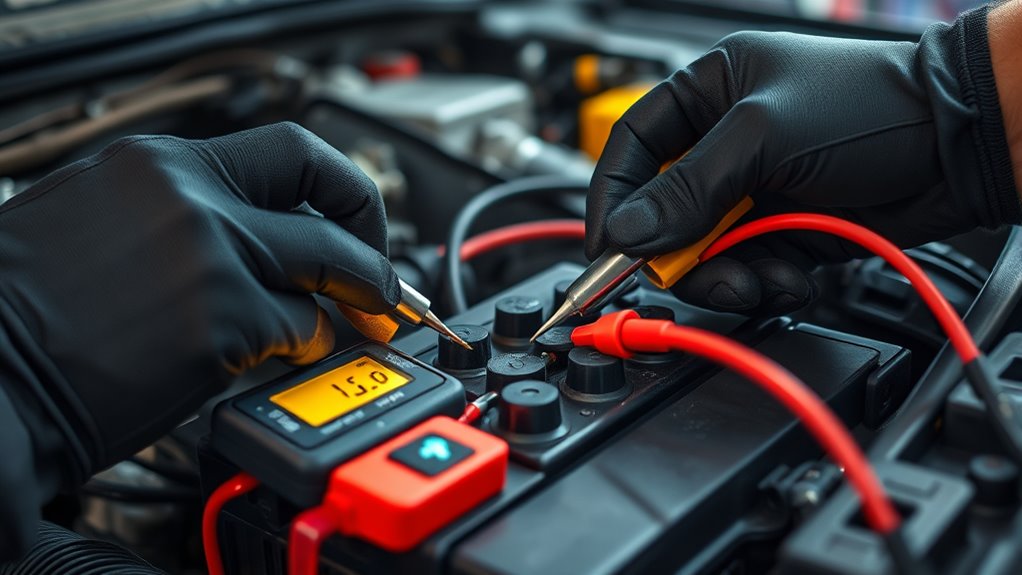
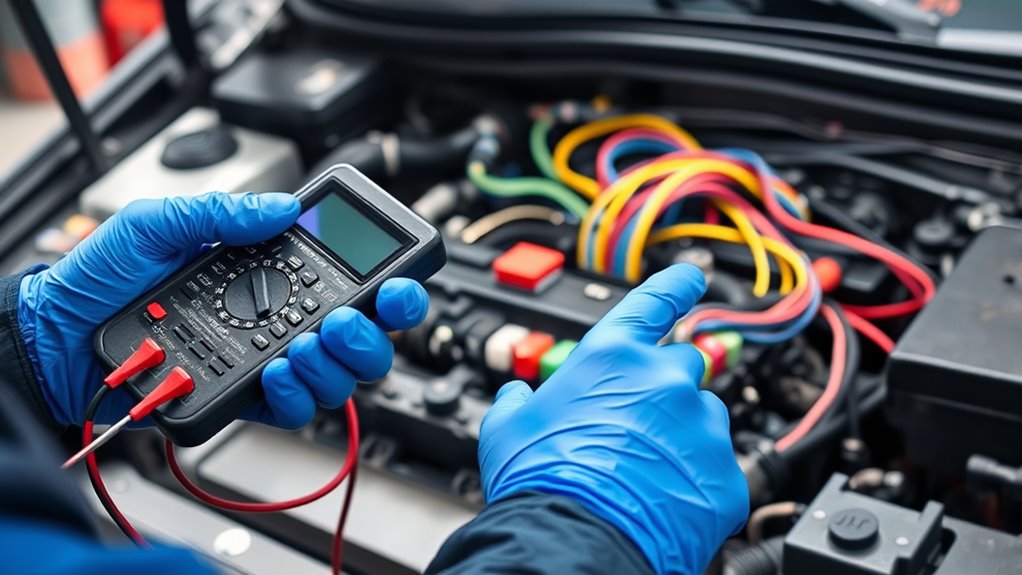
When your vehicle refuses to start and doesn’t even crank, it can be frustrating and confusing. One of the first things you’ll want to check is the battery voltage. A weak or dead battery is often the culprit behind a no-start, no-crank situation. Use a multimeter to measure the voltage across the battery terminals; a healthy fully charged battery should read around 12.6 volts or slightly higher. If the voltage is considerably lower—around 11 volts or less—you’re likely dealing with a dead or failing battery. In that case, try jump-starting the vehicle or replacing the battery altogether. Sometimes, corroded or loose battery terminals can also prevent proper electrical flow, so ensure the connections are clean, tight, and free of corrosion.
Check your battery voltage; a healthy charge is around 12.6V, lower readings indicate potential battery failure.
Next, consider the ignition switch. The ignition switch acts as the gateway for electrical power to reach the starter and other critical systems. If it’s faulty or worn out, it may not send the signal to start the engine, resulting in no crank. To test this, turn the key to the start position and listen for any sounds; if nothing happens and your battery voltage is good, the ignition switch could be the issue. You might need to check for power at the starter relay or starter solenoid when turning the key. If no power gets through, the switch might be defective or have a broken internal connection. Sometimes, a worn ignition switch can cause intermittent issues, so even if it works initially, it might fail later.
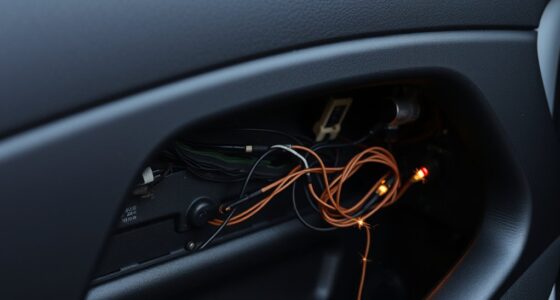
It’s also worth inspecting the wiring and fuses related to the ignition and starting system. A blown fuse or damaged wiring can interrupt the electrical flow, preventing the starter from engaging. Look for blown fuses in the fuse box labeled for the starter or ignition system, and replace any that are blown. Check wiring for signs of damage or corrosion, especially around the battery, ignition switch, and starter motor. Additionally, ensuring your battery terminals are clean and tightly connected can prevent unnecessary electrical issues and ensure your vehicle starts smoothly. If after confirming the battery voltage is good and the ignition switch appears operational, but the vehicle still refuses to start, you might need to look deeper into the starter relay, neutral safety switch, or other electrical components. Sometimes, the issue isn’t obvious and requires a more detailed electrical diagnosis or professional assistance. But starting with the basics—checking battery voltage and the ignition switch—can save you time and help pinpoint the root cause of your no-start, no-crank problem.
As an affiliate, we earn on qualifying purchases.
Frequently Asked Questions
Can a Bad Alternator Cause a No-Start Condition?
Yes, a bad alternator can cause a no-start condition. Alternator failure prevents it from charging your battery, leading to battery drain. When your battery loses power, your vehicle’s electrical system can’t function properly, making it impossible to start the engine. If your alternator isn’t working correctly, it’s essential to get it checked and replaced if needed, to prevent further issues like a dead battery and starting problems.
How Do I Test My Vehicle’s Battery Voltage Accurately?
Did you know that over 50% of vehicle breakdowns are caused by battery issues? To test your battery’s health accurately, use a multimeter set to DC volts. Place the probes on the battery terminals—red on positive and black on negative—and check the voltage. A healthy battery should read around 12.6 volts or higher with the engine off. This simple voltage measurement helps determine if your battery needs replacing.
What Are Signs of a Faulty Ignition Switch?
You’ll notice a faulty ignition switch when your vehicle doesn’t start, the key gets stuck, or the electrical system flickers. Sometimes, you might experience electrical failure, like dashboard lights dimming or complete power loss. If turning the key doesn’t activate the engine or if the accessories don’t work, it’s a sign the ignition switch may be failing. These symptoms indicate an issue that needs prompt inspection to prevent further electrical failure.
Can Corrosion in the Fuse Box Prevent Starting?
Think of your fuse box as the heart of your car’s electrical system; when corrosion sets in, it’s like rust choking essential arteries. Fuse box corrosion causes electrical contact issues, which can prevent your vehicle from starting or cranking. When corrosion covers the fuse connections, it blocks proper current flow, leading to a no-start situation. Cleaning or replacing corroded fuses can restore the electrical pathway and get your car running again.
Is It Necessary to Use a Scan Tool for Diagnostics?
You don’t always need a scan tool for diagnostics, but it’s highly recommended. A scan tool streamlines the diagnostic procedure, allowing you to quickly access trouble codes and sensor data that pinpoint the issue. Without it, you’ll rely on manual checks, which can take longer and be less accurate. Using a scan tool makes troubleshooting more efficient, helping you identify electrical problems faster and get your vehicle running again.
Conclusion
Don’t let a no-start, no-crank issue frustrate you. By systematically checking your battery, connections, and fuses, you can often pinpoint the problem yourself and save time and money. Some might worry it’s too complicated, but with patience and the right steps, you’ll gain confidence in troubleshooting. Remember, every issue has a solution—stay calm, follow the process, and you’ll get your vehicle back on the road in no time.
Fall Picks
fall essentials
As an affiliate, we earn on qualifying purchases.