When comparing brake bleeder tools, you’ll find manual kits are affordable and simple, ideal for occasional use, but they require effort and can be tiring for multiple brakes. Powered tools, like pneumatic or electric options, automate the process, making it faster and less labor-intensive, perfect for frequent or professional jobs. Consider your vehicle type, brake fluid compatibility, and how often you need to use the tool to choose the best fit. Keep going to discover more details.

Get business pricing on garage and car supplies
- Business-only prices and quantity discounts
- Tax-exempt purchasing
- Multiple users, one account, clear invoices
Key Takeaways
- Manual, pneumatic, and electric brake bleeder tools differ in operation, cost, and convenience, suitable for various maintenance needs.
- Manual tools are simple and affordable but labor-intensive; powered tools automate bleeding for efficiency.
- Compatibility with vehicle types, brake fluids, and fittings influences tool choice.
- Powered bleeder tools often include reservoirs and pressure controls, ideal for professional or frequent use.
- Consider ease of use, maintenance, and project scope when comparing tool concepts for brake bleeding.

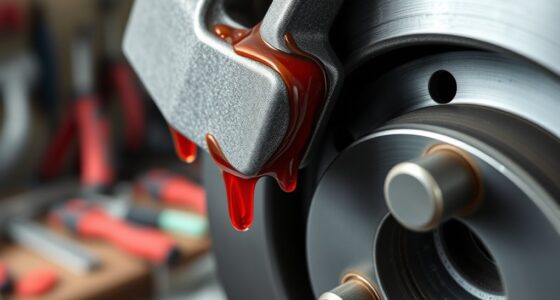
Brake bleeder tools are essential for maintaining your vehicle’s braking system because they make the process of removing air from the brake lines faster and more efficient. When you perform brake fluid maintenance, using the right tool can considerably improve the quality of your work. Different brake bleeder tools are designed with various features, and understanding these differences helps you choose the best option for your needs. Some tools are manual, requiring you to pump or open valves by hand, while others are pneumatic or electric, automating the process for quicker results. Your choice hinges on tool compatibility with your vehicle and personal preferences for convenience.
Manual brake bleeder kits are often the most affordable and straightforward. They typically include a simple syringe or a hand pump that connects to the brake caliper or bleeder screw. These tools rely on your effort to create pressure and push out air and old brake fluid. They work well for small jobs or occasional maintenance but can be labor-intensive if you’re working on multiple brakes or a larger vehicle. Because they are generally universal, manual tools tend to be compatible with most vehicles, making them a versatile choice. However, since brake fluid maintenance involves handling different types of brake fluids, you need to confirm that the tool you pick is compatible with the specific brake fluid your vehicle uses—whether DOT 3, DOT 4, or DOT 5.1. Using incompatible tools or materials could lead to leaks or damage.
Pneumatic or electric brake bleeder tools are more advanced options designed for efficiency and ease of use. These tools typically connect to an air compressor or run on batteries, allowing you to bleed brakes with minimal effort. They often feature built-in reservoirs and pressure controls, ensuring consistent performance. Such tools are ideal if you’re a professional mechanic or frequently perform brake maintenance. Their tool compatibility extends to various vehicle types, but it’s crucial to verify that the electric or pneumatic system can handle the specific brake system in your vehicle. Some models come with adapters or multiple fittings, broadening their compatibility across different makes and models.
Additionally, proper maintenance of your brake system, including the use of suitable tools, helps prevent costly repairs and safety issues over time. Ultimately, selecting the right brake bleeder tool depends on your vehicle, your experience level, and how often you plan to perform brake fluid maintenance. Understanding the differences in tool compatibility and the type of operation (manual versus powered) helps you make an informed choice. Whether you opt for a simple manual kit or a high-tech electric system, using a suitable and compatible tool will ensure your brake system remains safe, reliable, and efficient.
As an affiliate, we earn on qualifying purchases.
Frequently Asked Questions
What Are the Signs of a Brake Bleeder Tool Failure?
If your brake bleeder tool fails, you’ll notice fluid leakage around the connection or the tool itself, indicating a seal or hose issue. You might also experience tool malfunction, such as inconsistent pressure or inability to draw fluid, which hampers bleeding. These signs suggest the tool isn’t functioning properly, and you should examine for cracks, worn parts, or leaks before continuing to guarantee safe and effective brake maintenance.
Can Brake Bleeder Tools Be Used on ABS Systems?
Yes, you can use brake bleeder tools on ABS systems, but you need to make certain they’re ABS compatible. Not all tools work effectively with ABS modules, so check the manufacturer’s specifications. Also, be mindful of the brake fluid types your vehicle uses, as some tools are better suited for specific fluids. Properly following these guidelines helps prevent damage and ensures a safe, effective bleeding process.
How Often Should Brake Fluid Be Bleed in Vehicles?
You should bleed your brake fluid every 2 to 3 years as part of regular brake fluid maintenance. This helps prevent moisture buildup, corrosion, and brake failure, ensuring your vehicle’s safety checks are up to date. Regularly bleeding your brakes maintains peak performance and longevity of your braking system. Keep an eye on brake pedal feel and fluid clarity, and consult your vehicle’s manual for specific recommendations.
Are Manual or Pneumatic Brake Bleeder Tools More Effective?
You’ll find pneumatic brake bleeder tools more effective because they use compressed air, making the process faster and easier. Compared to manual or electric tools, hydraulic vs pneumatic options generally provide more consistent pressure, reducing air bubbles. Manual tools require more effort and time, while electric ones are convenient but less powerful than pneumatic. Overall, pneumatic systems are your best choice for efficient, reliable brake fluid bleeding.
What Safety Precautions Are Necessary When Using Brake Bleeder Tools?
You need to prioritize safety when using brake bleeder tools by wearing protective gear like gloves and goggles to prevent brake fluid contact. Keep the workspace well-ventilated to avoid inhaling fumes. Always handle brake fluid carefully, and dispose of used fluid properly to prevent environmental contamination. Remember, staying alert and following safety protocols helps you avoid accidents and guarantees safe, effective brake maintenance.
Conclusion
Choosing the right brake bleeder tool is like finding the perfect key to open smooth, safe braking. With the variety available, you hold the power to clear the clutter and restore your brake system’s harmony. Don’t let air pockets steal your stopping power—equip yourself with the best tool for the job. When you master this task, your vehicle’s performance will sing like a well-tuned instrument, ready to respond at your command.
Fall Picks
fall essentials
As an affiliate, we earn on qualifying purchases.