
If your airbag light stays on due to electrical causes, it’s likely due to faulty sensors, damaged or corroded wiring, or loose connections disrupting the safety system. These issues can send incorrect signals or prevent proper communication between components, triggering the warning light. Addressing these electrical problems promptly is essential for your safety. If you want to understand the common causes and how to troubleshoot them effectively, keep exploring the details below.
Key Takeaways
- Faulty or dirty sensors may send incorrect signals, triggering the airbag warning light.
- Corroded, frayed, or loose wiring connections disrupt electrical flow to airbags and sensors.
- Diagnostic error codes from OBD-II scans help identify specific sensor or wiring issues.
- Repairing or replacing damaged sensors and wiring restores proper system function.
- Addressing electrical causes promptly ensures airbag deployment reliability and vehicle safety.
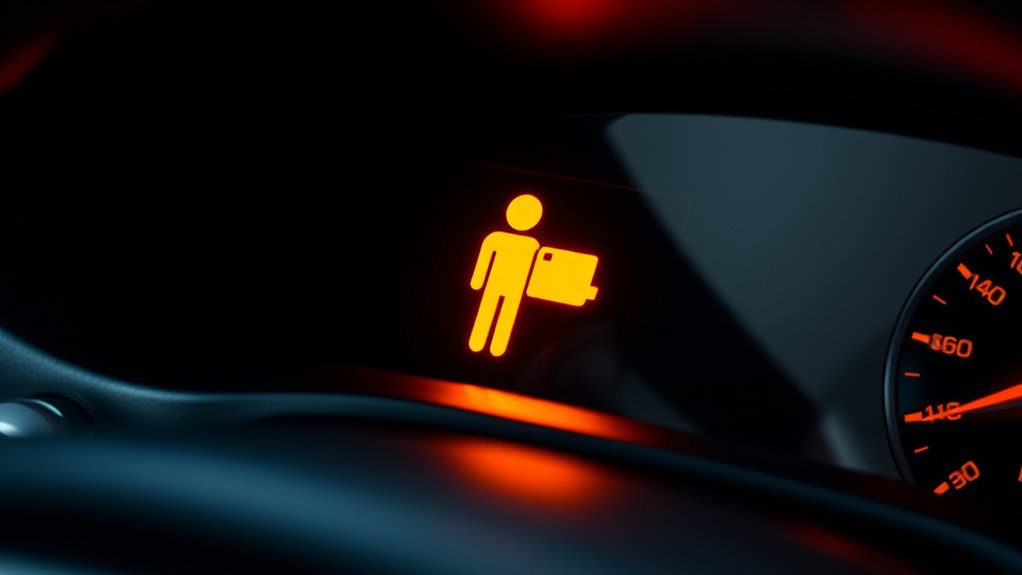
If your airbag light is on, it’s a clear sign that something isn’t right with your vehicle’s safety system. This warning is often caused by electrical problems that disrupt the proper functioning of the airbag system. One common culprit is a sensor malfunction. Your vehicle has several sensors that monitor impact and seatbelt status, and if any of these sensors fail or send incorrect signals, the airbag warning light will turn on. Sometimes, this can happen if a sensor becomes dirty, damaged,, or disconnected, leading the system to interpret a fault even when everything else is fine.
A faulty sensor can trigger your airbag warning light, indicating a potential safety system issue.
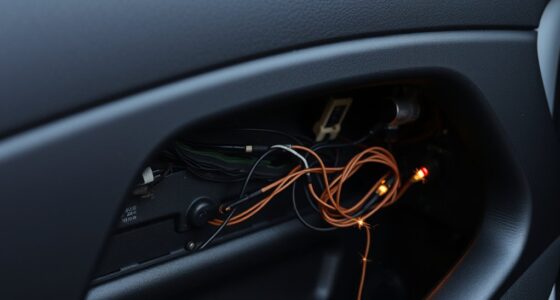
Wiring issues are another frequent cause of the airbag light coming on. Over time, wiring can corrode, fray, or become loose, especially in areas exposed to moisture or vibration. When wiring problems occur, they can interrupt the flow of electrical current needed for the sensor signals or airbag deployment triggers. A loose connector or damaged wire can cause intermittent signals, which the system detects as a fault, illuminating the warning light. These wiring issues are often overlooked because they don’t always produce obvious symptoms until the system detects a problem and triggers the warning.
Addressing these electrical causes requires a careful inspection. You’ll want to start with a diagnostic scan using an OBD-II scanner, which can identify specific error codes related to the airbag system. These codes will help you pinpoint whether the problem stems from a sensor malfunction or wiring issues. If the scanner points to a faulty sensor, you might need to replace or recalibrate it. On the other hand, if wiring problems are indicated, you’ll need to check the wiring harness for signs of damage, corrosion, or loose connections. Repairing or replacing damaged wiring ensures that signals are properly transmitted and received.
It’s important not to ignore the airbag warning light, even if it seems minor. Ignoring electrical issues can compromise your safety, as the airbags may not deploy in a crash. If you’re not comfortable troubleshooting electrical components yourself, it’s best to take your vehicle to a qualified mechanic. They can perform thorough diagnostics, repair any wiring problems, and ensure all sensors are functioning correctly. Remember, electrical issues like sensor malfunctions and wiring problems are fixable, but delaying repairs can lead to more costly repairs down the line or, worse, a failure to deploy airbags in an emergency. Staying proactive keeps you safe and ensures your vehicle’s safety system works when you need it most.
Additionally, advances in automation technologies in vehicle systems mean that modern vehicles increasingly rely on complex electrical and electronic components, making timely diagnosis and repair even more critical.
Frequently Asked Questions
Can Airbag Light Issues Be Fixed at Home?
Yes, you can attempt DIY repairs if you’re comfortable with electrical testing. Start by disconnecting the battery for safety, then check the airbag system’s wiring and connectors for corrosion or damage. Use a multimeter to test electrical continuity. However, if you’re unsure or the problem persists, it’s best to consult a professional. Proper diagnosis guarantees your safety and prevents further electrical issues with your airbag system.
How Long Does It Take to Reset the Airbag Light?
Think of your car’s dashboard as a silent guardian whispering secrets. Resetting the airbag light can take anywhere from a few minutes to an hour, depending on your skill with electrical troubleshooting. If you’re comfortable replacing the airbag sensor or disconnecting the battery, you might clear it quickly. However, if the issue stems from complex electrical faults, it could take longer, as you carefully diagnose and reset your system.
Are Electrical Problems Dangerous for Vehicle Safety?
Electrical problems can be dangerous for your vehicle’s safety, especially if they affect critical systems like airbags. You should prioritize electrical safety by avoiding DIY fixes unless you’re experienced. Vehicle diagnostics help identify issues accurately, ensuring proper repairs. Ignoring electrical problems can lead to system failures, risking injury during an accident. Always consult a professional mechanic to handle electrical issues safely, maintaining your vehicle’s safety features and your peace of mind.
Will a Blown Fuse Cause the Airbag Light to Turn On?
A blown fuse can definitely turn on your airbag light, affecting your vehicle’s safety system. Nearly 70% of vehicle malfunctions are linked to electrical issues, so it’s essential to do a fuse inspection if your light activates. Wiring corrosion may also cause the same problem. Addressing these electrical causes promptly can prevent safety risks and guarantee your airbags deploy correctly in an accident.
What Is the Cost of Diagnosing Electrical Airbag Issues?
You can expect to pay between $100 and $200 for diagnosing electrical airbag issues. A professional inspection uses specialized diagnostic tools to read error codes and identify wiring or sensor problems. This process helps pinpoint the exact cause of the warning light, ensuring you get the right repair. Keep in mind that the cost may vary depending on your vehicle’s make, model, and location, but investing in proper diagnosis is vital for safety.
Conclusion
When your airbag light stays on, it’s like a warning flag waving in the wind—something needs your attention. Electrical issues are common culprits, from faulty sensors to wiring problems. Don’t ignore the light; addressing it promptly guarantees your safety is not left in the dark. Think of it as your car’s way of whispering, “Check me out.” Stay vigilant, get it inspected, and keep your journey safe and smooth.