
TL;DR

Get business pricing on garage and car supplies
- Business-only prices and quantity discounts
- Tax-exempt purchasing
- Multiple users, one account, clear invoices
A car detailing kit is a curated set of tools and products for cleaning and protecting your vehicle. Picking the right one involves matching it to your car’s surfaces, knowing key components, and applying proper techniques for best results.
Imagine your car shining like new—deep gloss, spotless glass, and slick tires. Now, picture achieving that with just one well-chosen kit. Car detailing isn’t just about aesthetics; it’s about protecting your investment and making every drive a joy. But with dozens of kits out there, how do you pick the right one for your needs?
This guide walks you through everything from essential components to common pitfalls, so your next detail job leaves your car looking sharp and protected—without wasting money or risking damage.
Choose a kit tailored to your specific needs—exterior, interior, or both—rather than a one-size-fits-all bundle.
Invest in quality microfiber towels and separate tools for different surfaces to prevent scratches.
Always test unfamiliar chemicals on hidden areas to avoid costly damage.
Proper technique—gentle washing, avoiding circular motions, and thorough rinsing—preserves your car’s paint.
Stay aware of safety and environmental guidelines, especially regarding runoff and chemical use.
What Exactly Is a Car Detailing Kit and Why Should You Care?
A car detailing kit is a carefully curated collection of products and tools designed to make your vehicle look its best. It’s more than a bucket and sponge. Think of it as your personal toolkit for cleaning, restoring, and protecting—inside and out.
Unlike basic wash supplies, detailing kits include specialized items like clay bars, ceramic sprays, or interior protectants. They’re tailored for different needs—whether deep cleaning, paint correction, or long-term protection.
Choosing the right kit can save you money, extend your vehicle’s lifespan, and turn detailing into a satisfying weekend ritual. But before hitting purchase, you need to understand what’s inside and what your car actually needs.
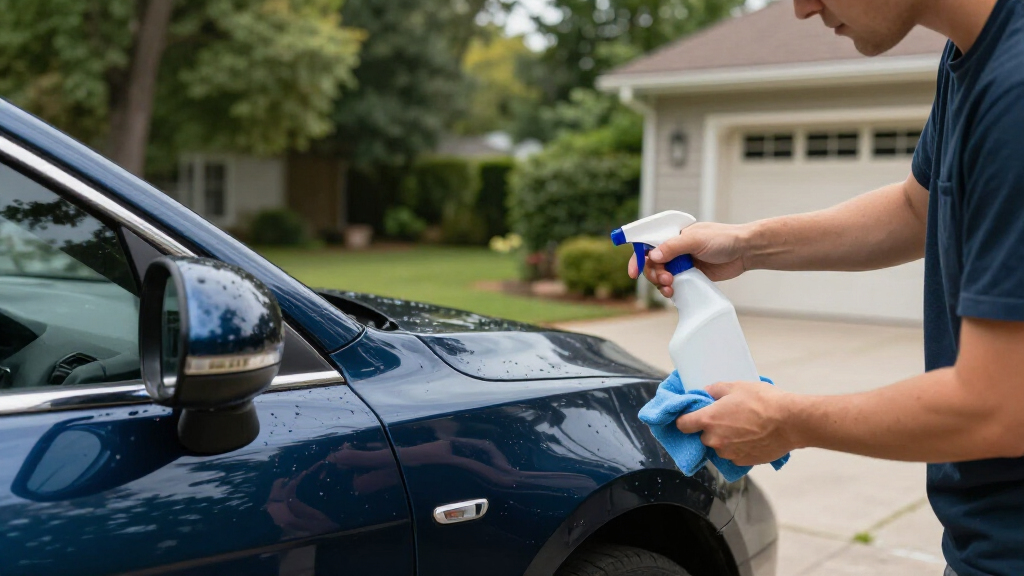
car detailing kit for exterior and interior
As an affiliate, we earn on qualifying purchases.
As an affiliate, we earn on qualifying purchases.
Pick the Perfect Type of Kit for Your Car and Goals
Not all detailing kits serve the same purpose. If you want a shiny exterior, look for an exterior wash or ceramic-coating kit. For cleaning the inside, interior-specific sets with protectants and cleaners are best.
Here’s a quick breakdown:
| Kit Type | Best For | Includes |
|---|---|---|
| Exterior wash kit | Routine cleaning, quick shine | Car shampoo, wash mitt, microfiber towels |
| Paint correction kit | Removing swirls, scratches | Polish, compounds, pads |
| Ceramic coating kit | Long-term paint protection | Ceramic sprays, prep products |
| Interior detailing kit | Deep cleaning and protection inside | Upholstery cleaner, protectant, brushes |
| All-in-one starter kit | Beginners, basic maintenance | Shampoo, polish, interior cleaner, towels |
Identify your goal first—routine upkeep or deep correction—and pick accordingly. Each kit is designed for specific tasks, and mixing tools can lead to frustration or damage.
What Are the Must-Have Components in a Car Detailing Kit?
A versatile kit covers the basics:
- pH-balanced car shampoo — gentle yet effective for removing dirt without stripping wax. This balance is crucial because overly harsh cleaners can damage your paint or strip protective coatings, while too mild solutions may not clean effectively. Choosing the right pH ensures you clean without compromising your vehicle’s finish.
- Wash mitt or pad — plush, non-abrasive for safe cleaning. A high-quality mitt reduces the risk of micro-scratches by providing a soft barrier between dirt and paint. Properly selecting and maintaining this tool ensures safer, more effective washing.
- Microfiber towels — soft, lint-free, and color-coded for different tasks. Using dedicated towels for paint, glass, and interior prevents cross-contamination that can cause scratches or streaks. Properly laundering these towels (without fabric softeners) maintains their absorbency and softness, extending their lifespan.
- Drying towel — large, plush, for streak-free drying. A high-quality drying towel absorbs water quickly, reducing drying time and minimizing micro-marring. This step is vital for a flawless finish and to prevent water spots.
- Wheel cleaner and brush — tough on grime but safe for finishes. Selecting the right cleaner and brush prevents damage to sensitive wheel finishes while effectively removing brake dust and grime, which can corrode metal or degrade rubber if left untreated.
- Glass cleaner — streak-free, fast-drying. Clean glass enhances visibility and safety. The correct formulation prevents streaks and smudges, especially important if you have tinted windows or special coatings.
- Interior cleaner — suited for plastics, fabrics, or leather. Different surfaces require tailored products; using the wrong cleaner can cause discoloration or damage. Choosing appropriate formulations preserves the interior’s look and feel.
- Clay bar or synthetic clay — removes bonded contaminants for a smooth finish. Bonded dirt and pollutants can’t be removed by washing alone, and clay helps prevent micro-marring during polishing or waxing. Regular use of clay improves paint smoothness and prepares surfaces for protection.
- Protective wax, sealant, or ceramic spray — shields paint from elements. These layers act as barriers against UV rays, dirt, and water. The choice depends on durability needs; wax offers quick shine, while ceramic coatings provide long-term protection but require proper prep.
- Tire dressing — adds shine and protects rubber. Properly applied, it enhances the aesthetic and prevents cracking or fading from UV exposure, maintaining a fresh look over time.
Premium kits often include extras like iron removers, polishers, or panel prep solutions. The key is choosing a kit with components that match your vehicle’s surfaces and your skill level, ensuring you get the most effective and safe results.
Keep Your Car Safe: Chemical Compatibility Matters
Using the wrong chemicals can damage your car’s surfaces. For example, acidic wheel cleaners might strip anodized finishes, leading to discoloration or corrosion, while alkaline cleaners could degrade rubber seals, plastics, or wax layers. Such mismatches can cause long-term harm, reducing your vehicle’s appearance and protection.
Test new products on a hidden or inconspicuous area before widespread use. This step helps identify any adverse reactions—some cleaners may cause discoloration or surface etching if incompatible. Household dish soap might seem convenient, but frequent use can strip wax and protective coatings, leaving your car vulnerable to the elements. Similarly, ammonia-based glass cleaners can damage tinted windows or films, leading to peeling or clouding.
Match cleaners to specific surfaces: leather conditioners for upholstery, non-glossy or matte finish products for matte paints, and gentle pH-neutral solutions for delicate plastics. When in doubt, opt for products specifically formulated for automotive use. This careful selection minimizes the risk of unintended damage and prolongs the life of your vehicle’s surfaces.
Remember, a small test spot can prevent costly mistakes—investing a few extra moments before full application can save you time, money, and frustration later.
Why Microfiber Towels and How to Avoid Cross-Contamination
Microfiber towels are an essential tool in detailing because of their ability to trap dirt and absorb liquids without scratching surfaces. However, their effectiveness hinges on proper use. Grit and debris trapped within fibers can turn a cleaning tool into an abrasive weapon, causing micro-marring—tiny scratches that diminish gloss and can lead to paint damage over time.
Color-coding towels for specific tasks—such as blue for paint, yellow for wheels, and red for interior surfaces—serves as a simple but effective way to prevent cross-contamination. This practice ensures that dirt and grime from one area don’t transfer to another, reducing the risk of scratching delicate surfaces. Proper laundering—using mild detergent and avoiding fabric softeners—keeps microfiber fibers clean, soft, and absorbent. Softeners clog the fibers, reducing their ability to pick up dirt, which can lead to micro-scratches and streaks.
Always use a dedicated towel for each surface type. For example, never use the same towel on your paint and interior. This discipline maintains surface integrity and ensures a scratch-free, streak-free finish. Think of microfiber towels as your car’s personal hygiene tools—clean, dedicated, and well-maintained, they keep your vehicle looking its best while safeguarding its finish.
Master the Art of Safe Washing and Drying
Micro-marring and scratches often happen when improper washing techniques are used. Excessive pressure, circular motions, or dirty wash media can embed grit into the surface, damaging the clear coat. The key is to adopt gentle, methodical strokes and proper tools. Using the two-bucket method—one with soapy water, the other with clean rinse water—helps keep dirt away from the wash media, reducing contamination transfer.
Wash in the shade and on a cool surface to prevent soap and water from drying too quickly, which can cause streaks and water spots. Starting from the top and working downward ensures gravity helps remove dirt and suds, preventing runoff from contaminating cleaned areas. Change or rinse your wash mitt frequently to avoid redistributing dirt. When drying, use a plush microfiber towel or air-blower with filtered air to prevent dragging grit across the paint. Rough towels or chamois can cause micro-scratches if grit is present.
This careful approach minimizes damage, preserves the car’s gloss, and extends the life of your clear coat. It transforms what could be a risky chore into a methodical, satisfying process that results in a pristine, streak-free finish.
Decontamination and Paint Correction—What’s the Difference?
Understanding the distinction between decontamination and paint correction is essential for effective detailing. Decontamination involves removing bonded contaminants—particles like iron fallout, tar, or tree sap—that adhere tightly to your paint surface. Chemical decontaminants, such as fallout removers, dissolve or loosen these bonds, making them easier to wash away without abrasive action. Mechanical decontamination, typically using clay bars or synthetic clay mitts, physically lifts bonded dirt and pollutants that washing alone cannot remove, resulting in a smoother surface.
Paint correction, on the other hand, targets surface imperfections like swirl marks, scratches, oxidation, and water spots. It involves polishing with abrasives to level the paint surface, restoring clarity and gloss. This process is more aggressive and requires skill, as improper technique can thin the paint or cause holograms.
For example, a weekend car might need a fallout remover to eliminate iron deposits, followed by clay to remove stubborn bonded grime, and finally polishing to fix swirl marks and restore shine. Deep scratches that catch your nail are usually beyond correction and may require professional intervention or touch-up paint. Always test products on small, inconspicuous areas first—overusing abrasives or aggressive chemicals can thin your paint, leading to long-term damage. A balanced approach, understanding each step’s purpose and limitations, ensures your vehicle’s finish remains intact while achieving the desired look.
Protection Options: Which One Fits Your Budget and Lifestyle?
Protection products vary widely in durability, ease of application, and cost. Traditional waxes provide a warm, deep shine and are easy to apply, making them suitable for casual detailers. However, their protection typically lasts about 1-3 months, requiring regular reapplication. Synthetic sealants offer a longer-lasting barrier—often 4-6 months—and are more resistant to environmental elements, but they may require cleaner, prepped surfaces for optimal bonding. Ceramic sprays are convenient for quick, water-repelling effects and can be reapplied frequently, but their durability is less than full ceramic coatings.
Ceramic coatings provide superior, long-lasting protection—often 1-2 years—by chemically bonding to the paint, creating a hard, durable layer. They require careful surface preparation and some skill to apply correctly. Paint-protection films (PPF) are physical barriers that resist chips and scratches, ideal for high-impact areas. However, they tend to be costly and usually require professional installation. The choice depends on your budget, how long you want the protection to last, and your willingness to perform or pay for professional prep and application. Consider your climate, driving habits, and maintenance routine—longer-lasting options often demand more meticulous prep and application but reward you with fewer touch-ups over time. Balancing cost, effort, and desired protection level ensures you select the best option for your lifestyle.
How to Pick Quality Tools and Save Money in the Long Run
Investing in quality tools is a strategic decision that pays dividends over time. Durable brushes with ergonomic handles, soft microfiber towels with high GSM (grams per square meter), and well-designed bottles with chemical-resistant spray heads ensure consistent, safe, and effective cleaning. Cheap tools often wear out quickly, shed fibers, or damage surfaces, leading to frustration and potential costly repairs. Prioritizing ergonomic design reduces fatigue during longer detailing sessions, while chemical-resistant components prevent degradation and leaks.
A smaller, carefully curated kit with high-quality components often outperforms an oversized, low-grade collection. High-quality tools last longer, perform better, and reduce the risk of damage caused by inferior equipment. Refillable bottles and replaceable towels also save money over time, as you can top up or replace only the worn parts instead of discarding entire kits. Always read reviews and consider trusted brands—investing upfront in good tools minimizes errors, improves results, and makes car care more enjoyable. Over the long term, this approach reduces waste, saves money, and turns detailing from a chore into a satisfying hobby.
Stay Safe and Eco-Friendly While Detailing
Many detailing chemicals are potent and require proper handling. Wearing gloves and working in well-ventilated areas helps protect your skin and lungs from harmful fumes. Following label instructions precisely prevents accidental misuse—over-concentrating solutions or mixing incompatible chemicals can cause damage or health hazards. Proper disposal and runoff management are equally important; runoff containing residues like heavy metals or chemicals can pollute local waterways. Using waterless or rinseless washes significantly reduces water consumption and minimizes environmental impact. For heavy contamination, utilizing professional facilities with water reclamation systems ensures responsible waste management.
Opting for eco-friendly concentrates, biodegradable packaging, and refillable bottles reduces plastic waste and chemical exposure. These choices not only protect the environment but also often result in safer, more sustainable detailing routines. Remember, your vehicle’s health and the planet’s well-being go hand in hand—adopting eco-conscious practices ensures you’re caring for your car while respecting the environment.
Latest Trends in Car Detailing Products and Kits
Newer products are making detailing easier and more efficient by combining advanced formulations with user-friendly application methods. Ceramic-infused shampoos and hybrid waxes now offer long-lasting protection with simple spray-on or wipe-off techniques, reducing time and effort. Rinseless washes with high-tech polymers are perfect for urban environments with water restrictions, allowing effective cleaning without large water use. Synthetic clay media and reusable polishing pads speed up decontamination and finishing, making DIY detailing more accessible and less wasteful. Cordless mini polishers enable machine correction in tight or hard-to-reach areas, expanding the scope of at-home detailing.
Sustainability is increasingly prioritized—concentrates, refill packs, and biodegradable packaging are gaining popularity, reducing environmental impact. Graphene-enhanced products promise high durability and enhanced performance, but their true value depends on proper surface preparation and technique. Manufacturers now tailor kits for specific finishes, including matte paints, wraps, and electric vehicles, making professional-quality results more achievable for enthusiasts. Staying updated with these innovations helps you choose products that combine convenience, performance, and eco-friendliness, elevating your detailing routine to new levels of excellence.
How to Choose the Best Kit for Your Car and Budget
Start with a thorough assessment of your vehicle’s surfaces and your specific goals. Do you want a quick shine or deep correction? Focus on kits that include the right combination of tools and chemicals for those needs. Pay attention to product volumes—more isn’t always better if quality diminishes with quantity. Consider your experience level: some kits include powered tools that require practice to avoid damage, while beginner-friendly options emphasize ease of use. Check for refill or replacement options, as these often reduce long-term costs and allow you to maintain your kit’s effectiveness over time.
Read real-world reviews to gauge how products perform under typical conditions. Safety should also be a priority: ensure the products are compatible with your car’s finish and environmental conditions. Investing a little extra time researching upfront helps you select a kit that balances quality, cost, and ease of use—saving you frustration and ensuring optimal results in the long run.
Avoid These Common Detailing Mistakes
Using one towel on every surface—big no. It spreads grit and causes scratches, especially if the towel is contaminated. Detailing in direct sunlight can cause soap and chemicals to dry rapidly, leaving streaks and water spots that are difficult to remove. Applying protection over dirty surfaces seals in grime, which can lead to micro-marring and reduced gloss. Over-polishing or aggressive wiping can thin your paint, making it more susceptible to damage and reducing gloss over time. Tire dressing applied to pedals or mats can create slippery surfaces, increasing safety risks. Believing that a ceramic coating means no more washing is a misconception—regular maintenance is essential to preserve the coating’s benefits.
Follow instructions carefully, use proper techniques, and avoid rushing. Properly maintaining your detailing tools and surfaces prevents costly mistakes and extends your vehicle’s aesthetic appeal and protection. Taking these precautions ensures your hard work results in a flawless, durable finish that enhances your vehicle’s value and appearance over the years.
Your Questions, Answered: Car Detailing Kit FAQs
Are car detailing kits worth it? They offer a cost-effective and convenient way for beginners to start caring for their vehicle. Well-chosen kits provide all the essential tools and products needed to achieve professional-like results without the need for extensive research or multiple purchases. For experienced detailers, assembling a personalized collection allows customization based on specific needs and preferences, often resulting in better results and cost savings over time.
What should a beginner’s kit include? Basic essentials such as a high-quality car shampoo, microfiber towels, a wash mitt, interior cleaner suited for various surfaces, and a simple wax or sealant form a solid foundation. These items cover fundamental cleaning and protection, enabling beginners to learn proper techniques without overwhelming complexity.
Can one kit handle both interior and exterior? Yes, if it includes surface-specific products and separate tools. Just ensure you use dedicated towels, brushes, and applicators for different areas—this prevents cross-contamination and surface damage. Many all-in-one kits are designed with this versatility in mind, making them suitable for comprehensive vehicle care.
How much should I spend? Prices vary based on brand, contents, and quality. Focus on value—investing in higher-quality products and tools often results in better results and fewer repeat purchases. Long-term savings come from durability and effectiveness, so prioritize quality over cheap alternatives that may need frequent replacement.
Is a pressure washer necessary? Not at all. A garden hose with a good nozzle suffices for most cleaning tasks, especially if combined with quality detergents. However, a pressure washer can significantly improve efficiency for heavily soiled vehicles, making the cleaning process quicker and more thorough.
Do foam cannons prevent scratches? Foam cannons help loosen dirt and reduce direct contact during washing, but they do not guarantee scratch-free results. Proper technique—such as using clean, soft tools and avoiding circular motions—is equally important to prevent micro-marring and ensure a safe, effective wash.
Is a dual-action polisher safe for beginners? Yes, but only if used carefully. Starting with mild settings, practicing on less visible areas, and following manufacturer instructions minimizes the risk of damage. Proper training and patience are key to achieving good results without harming your paint.
Can clay remove scratches? No. Clay bars are designed to remove bonded contaminants, not scratches. Deep scratches require polishing or touch-up paint. Overusing abrasive products or aggressive techniques can thin your paint or create holograms, so understanding each tool’s purpose is vital.
Wax vs. sealant vs. ceramic? Wax is quick and easy, providing a warm shine but shorter protection. Sealants last longer and offer better durability against environmental elements. Ceramic coatings are the most advanced, providing long-lasting, hard protective layers that resist chemicals and UV damage but require proper prep and application skills. Choosing the right depends on your desired longevity, budget, and willingness to learn.
How often should I detail? Routine washes every 2-4 weeks maintain cleanliness, while deeper cleaning and protection—such as clay, polish, or coatings—are best every few months. Adjust based on climate, driving habits, and exposure to contaminants to keep your vehicle in optimal condition.
Conclusion
Smart choices in your car detailing kit turn routine cleaning into a satisfying ritual that keeps your car looking sharp and protected. Remember: quality tools, proper technique, and safety are your best allies.
Next time you reach for that spray bottle or microfiber towel, think about the story your car’s surface tells—and how you can keep it shining for years to come.
Fall Picks
fall essentials
As an affiliate, we earn on qualifying purchases.