To replace your fuel filter, start by locating it and gathering the necessary tools, including gloves and a drain pan. Work in a well-ventilated area, disconnect the negative battery terminal, and relieve fuel pressure safely. Carefully disconnect the fuel lines, remove the old filter, and install the new one securely. Double-check all connections, reconnect everything, and start the engine to check for leaks. Continue carfully, and you’ll discover how simple it can be to keep your engine running smoothly.
Key Takeaways
- Locate and identify the fuel filter in your vehicle, typically near the tank or engine bay, using the owner’s manual.
- Relieve fuel system pressure by removing the fuel pump relay or fuse and running the engine until it stalls.
- Carefully disconnect fuel lines, catch residual fuel in a drain pan, and remove the old filter with proper tools.
- Install the new filter securely, reconnect fuel lines, and tighten all fittings to prevent leaks.
- Repressurize the system, check for leaks, and properly dispose of old parts and spilled fuel following safety guidelines.
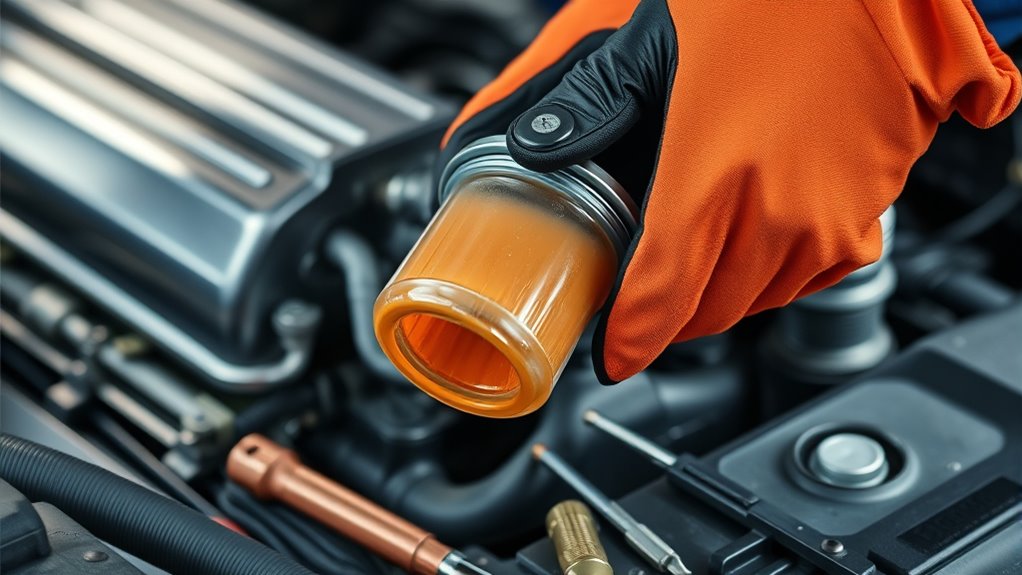
Replacing your fuel filter yourself can save money and improve your vehicle’s performance, but it’s vital to do it correctly. Your fuel system is an essential part of your vehicle’s operation, responsible for delivering clean fuel to the engine. Over time, debris, rust, and dirt can clog the filter, reducing fuel flow and causing performance issues. That’s why replacing the filter at the right interval is fundamental for maintaining efficiency and preventing costly repairs. Before diving into the task, familiarize yourself with the necessary safety precautions. Fuel is highly flammable, and mishandling can lead to fires or injuries. Always work in a well-ventilated area, away from open flames or sparks, and keep a fire extinguisher nearby. Wearing gloves and eye protection helps prevent contact with fuel and debris, protecting your skin and eyes from irritation.
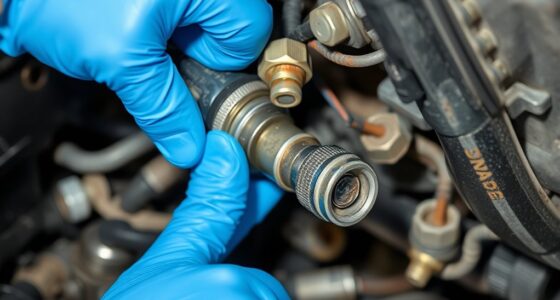
Start by gathering all the tools and parts you’ll need: a new fuel filter, wrenches, screwdrivers, safety gloves, and possibly a drain pan. Before touching anything, disconnect your vehicle’s negative battery terminal to prevent electrical sparks. Next, relieve fuel system pressure to avoid fuel spray when disconnecting lines. You can do this by removing the fuel pump relay or fuse and starting the engine until it stalls. Once pressure is released, locate the fuel filter—usually along the fuel line, near the tank or engine bay, depending on your vehicle model. Consult your owner’s manual if needed. It’s wise to place a drain pan underneath the filter to catch any residual fuel. Carefully disconnect the fuel lines from the filter, being mindful of any residual pressure or fuel spillage. Understanding the safety precautions involved is crucial to avoid hazards during the process.
When removing the old filter, inspect the fuel lines and fittings for wear or damage, replacing any worn parts before installing the new filter. Connect the new filter securely, ensuring all connections are tight to prevent leaks. After installing the filter, double-check your work, then reconnect the fuel pump relay or fuse, and reattach the battery terminal. Turn on the ignition without starting the engine to allow the fuel pump to pressurize the system. Watch for leaks around the new filter, and listen for any unusual noises. If everything looks and sounds good, start your engine and check once more for leaks. Properly dispose of the old filter and any spilled fuel according to local regulations. Taking these safety precautions and following the correct steps ensures your DIY fuel filter replacement is safe, effective, and long-lasting.
Frequently Asked Questions
Can I Use a Universal Fuel Filter for My Vehicle?
Yes, you can use a universal fuel filter for your vehicle if it offers universal compatibility and matches your filter specifications. Make sure to verify the size, inlet and outlet connections, and flow rate to guarantee it fits properly and functions correctly. If the filter meets your vehicle’s fuel requirements and is compatible with the fuel type, it should work well. Always double-check specifications before installation.
How Often Should I Replace My Fuel Filter?
Think of your fuel filter as a silent guardian for your engine; it needs occasional attention. Typically, you should replace your fuel filter every 20,000 to 30,000 miles, but check your vehicle’s manual for specific guidance. The fuel filter lifespan varies based on driving habits and fuel quality. Regular replacement intervals guarantee your engine runs smoothly and prevent costly repairs, so stay proactive with maintenance.
Are There Safety Precautions for Handling Fuel?
When handling fuel, you should always prioritize safety by following fire safety protocols and spill prevention measures. Wear gloves and eye protection to avoid contact, and work in a well-ventilated area away from open flames or heat sources. Keep a fire extinguisher nearby, and use a container designed for fuel to prevent spills. Carefully disconnect fuel lines, and clean up any spills immediately to stay safe.
What Tools Are Needed for Fuel Filter Replacement?
Did you know that over 60% of vehicle breakdowns are caused by fuel system issues? To replace your fuel filter, you’ll need basic tools like screwdrivers, pliers, and a wrench. First, locate the fuel filter—common types include disposable and replaceable cartridge filters—and find its position in the fuel line. Having these tools ready helps you access the fuel filter quickly and safely, making the replacement process smoother.
Will Replacing the Fuel Filter Improve Vehicle Performance?
Replacing your fuel filter can improve your vehicle’s performance by boosting fuel efficiency and helping your engine run smoother. When you change the filter regularly, you prevent clogs that can reduce power and fuel economy. Additionally, a clean fuel filter extends your engine’s lifespan by reducing stress on engine components. Overall, this simple maintenance step keeps your vehicle running efficiently and helps avoid costly repairs down the line.
Conclusion
Don’t let replacing your fuel filter seem intimidating. With the right tools and a little patience, you can save money and avoid unnecessary trips to the mechanic. Sure, it might involve some mess, but the benefits of keeping your engine running smoothly outweigh the hassle. Plus, doing it yourself gives you a sense of accomplishment and better understanding of your vehicle. So go ahead—trust yourself and give it a try. You’ve got this!