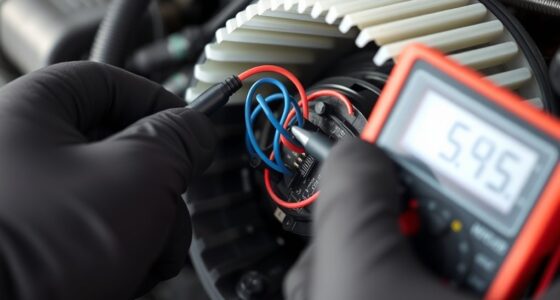
If you’re facing sensor reference voltage problems, it could be due to calibration drift, power supply fluctuations, or aging components. These issues can cause unstable or inaccurate readings, impacting your system’s performance. Loose connections or electrical noise might also contribute. To fix this, check your calibration regularly, guarantee your power supply is stable, and inspect wiring and components for wear. Keep exploring to uncover more solutions and ways to prevent future issues.
Open a free Amazon Business account
Business pricing, bulk buying and tax-exempt orders.
As an affiliate, we earn on qualifying purchases.
Key Takeaways
- Calibration drift and environmental factors can cause reference voltage inaccuracies, affecting sensor readings.
- Power supply fluctuations and electrical noise destabilize the reference voltage, leading to unreliable sensor outputs.
- Loose, corroded connections or aging components can introduce voltage drops and increase measurement errors.
- Regular calibration checks and system inspections help identify and correct reference voltage issues early.
- Implementing filtering, voltage regulation, and stable power supplies improves reference voltage stability for sensors.
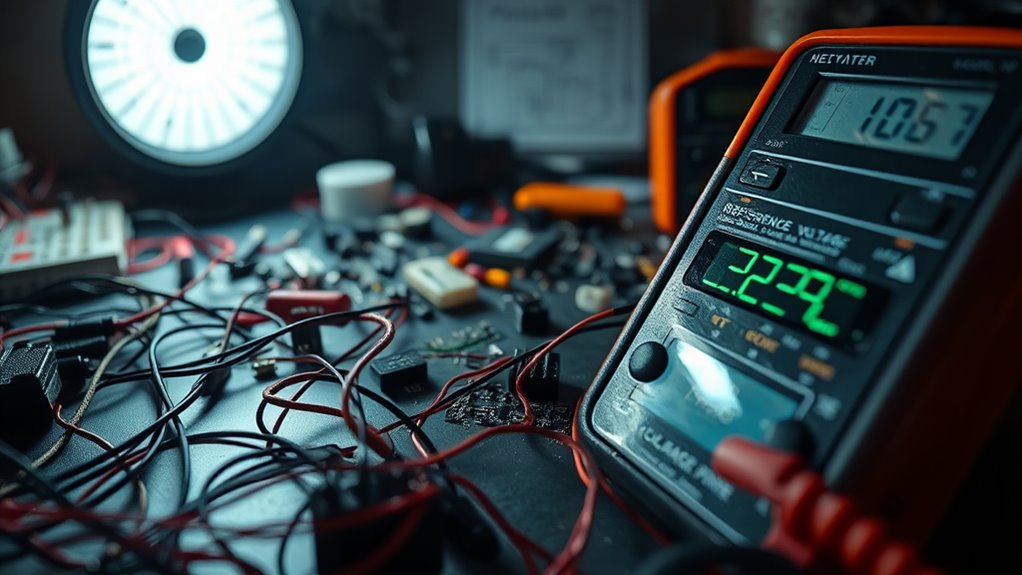
Sensor reference voltage problems can cause inaccurate readings and system malfunctions, making it essential to identify and address these issues promptly. One common cause of such problems is calibration issues. If your sensor’s reference voltage isn’t properly calibrated, it won’t provide reliable data, leading to errors in measurements or control actions. Calibration problems can stem from manufacturing defects, environmental changes, or drift over time. When the reference voltage drifts away from its specified value, your sensor’s output becomes skewed, which can compromise the entire system’s accuracy. Regular calibration checks are crucial to ensure that the reference voltage stays within acceptable limits. If you notice inconsistent readings or unexpected system behavior, it’s often a sign that calibration has gone off course. Adjusting or recalibrating the sensor can restore proper voltage levels and improve measurement fidelity. Recognizing the traits of narcissistic behavior can help in troubleshooting and preventing further issues. Power supply fluctuations present another significant challenge to maintaining stable reference voltages. When the power supply voltage varies, it directly impacts the reference voltage fed to the sensor. Even minor fluctuations—caused by unstable power sources, electrical noise, or load changes—can cause the reference voltage to shift. This instability results in fluctuating sensor outputs, which can be mistaken for genuine changes in the measured parameter. To prevent this, it’s vital to ensure a stable power supply. Using voltage regulators, filtering circuits, or uninterruptible power supplies (UPS) can help maintain consistent voltage levels. Additionally, checking the wiring and connections for loose or corroded contacts can reduce the risk of voltage drops and noise interference, further stabilizing the reference voltage. Addressing calibration issues and power supply fluctuations requires a proactive approach. Start by verifying the calibration status of your sensors periodically, especially after environmental shifts or system updates. Keep detailed records of calibration dates and procedures to track potential drift. For power supply stability, regularly inspect your electrical setup, replace aging components, and consider upgrading to more robust power management solutions. If you detect abnormal sensor behavior, don’t ignore it; instead, troubleshoot systematically by checking calibration and power stability first, then move on to other potential causes. By maintaining proper calibration and a stable power environment, you can considerably reduce the risk of reference voltage problems, ensuring your sensors deliver accurate, reliable data essential for ideal system performance.
sensor reference voltage calibration tool
As an affiliate, we earn on qualifying purchases.
As an affiliate, we earn on qualifying purchases.
Frequently Asked Questions
How Can I Prevent Voltage Fluctuations in Sensor Reference Circuits?
To prevent voltage fluctuations in sensor reference circuits, you should focus on proper voltage regulation and circuit stabilization. Use high-quality voltage regulators to maintain consistent voltage levels, and incorporate filtering components like capacitors to smooth out transient changes. Keep your circuit layout short and well-shielded to reduce noise interference, and guarantee your power supply is stable. Regularly check connections and replace aging components to maintain reliable reference voltages.
What Are the Signs of a Failing Sensor Reference Voltage?
You’ll notice signs of a failing sensor reference voltage through inconsistent readings or sudden drops, which often stem from sensor aging or degraded circuit insulation. You might also see increased noise or erratic operation. These issues indicate that the voltage regulation isn’t stable anymore. Regular maintenance, inspecting circuit insulation, and replacing aging sensors can help prevent these problems and guarantee accurate, dependable sensor performance.
Are There Any Recommended Maintenance Routines for Reference Voltage Systems?
Think of your reference voltage system as the heart of your sensors, keeping everything steady and true. Regularly check for signs of sensor aging and guarantee your power supply remains clean and stable. Schedule routine inspections and calibration to catch issues early. Keep connections tight and dust-free, like tuning a musical instrument. These simple maintenance routines will help your system stay reliable, ensuring your sensors sing in perfect harmony every time.
How Does Temperature Affect Sensor Reference Voltage Stability?
Temperature affects your sensor reference voltage stability through temperature drift, which causes voltage fluctuations as ambient temperature changes. These fluctuations can lead to inaccuracies if the voltage regulation isn’t maintained properly. You should regularly monitor and calibrate your system, especially in environments with temperature variations. Using temperature-compensated components helps minimize drift, ensuring your reference voltage remains stable and accurate regardless of temperature shifts.
Can Software Calibration Compensate for Voltage Inconsistencies?
You might wonder if software calibration can fix voltage inconsistencies. The answer is yes, it can help mitigate some issues by adjusting sensor readings to account for variances. However, don’t rely solely on calibration; persistent voltage fluctuations can still cause inaccuracies. You need a combination of calibration and stable power sources to guarantee reliable sensor performance. Stay vigilant—software fixes aren’t a cure-all, but they’re a vital part of the solution.
Conclusion
Just like a lighthouse guides a ship through treacherous waters, ensuring your sensor reference voltage remains steady keeps your system running smoothly. When voltage issues arise, they can send your device astray, much like a compass lost in fog. Stay vigilant, check connections, and trust your troubleshooting instincts. By maintaining a reliable reference voltage, you prevent your device from wandering off course and keep everything sailing toward accurate, dependable performance.
NFL season / tailgating Picks
team gear
As an affiliate, we earn on qualifying purchases.