
Ground straps provide a safe path to earth, helping you prevent electrical faults, protect equipment, and reduce shock risks. Proper grounding guarantees your system stays stable and avoids dangerous voltage buildup. However, if ground straps corrode, loosen, or aren’t installed right, they can fail, leading to malfunctions, fires, or unnoticed faults. To keep everything secure and safe, understanding the common causes of failures and best maintenance practices is essential—stick with us to learn more.
Key Takeaways
- Ground straps provide a low-resistance path to ground, preventing electrical faults and ensuring safety.
- Properly installed ground straps protect equipment and personnel from electrical shocks.
- Corrosion and poor connections weaken ground straps, leading to intermittent faults and equipment damage.
- Regular inspection and maintenance prevent failures caused by corrosion, looseness, or environmental damage.
- Using corrosion-resistant materials and adhering to standards extend ground strap reliability and safety.

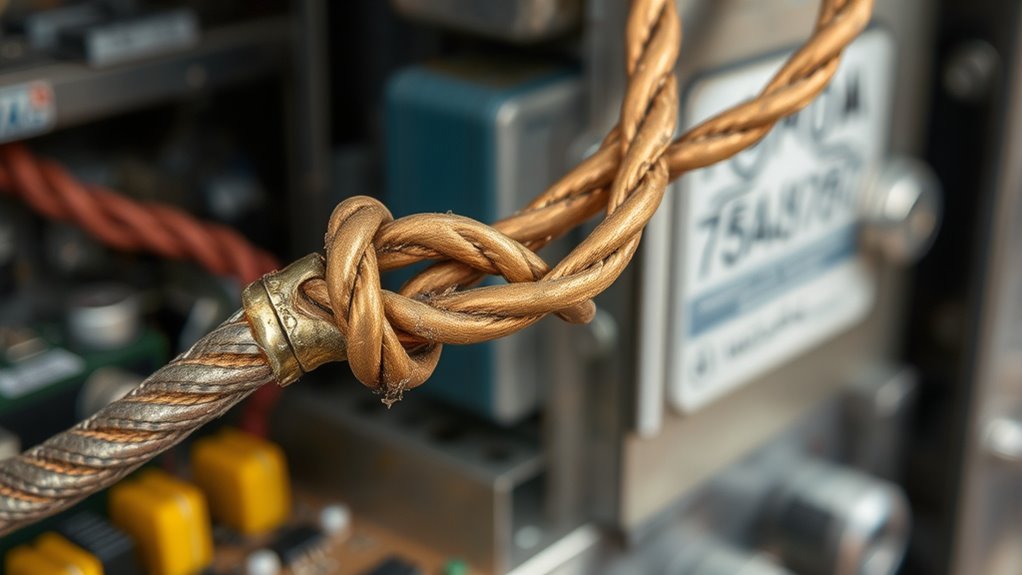
Ground straps are essential components in electrical systems that help prevent electrical faults by providing a direct path to the ground. When functioning properly, they ensure that excess electrical charge safely dissipates, protecting both equipment and people. In your setup, proper electrical grounding is crucial, and ground straps play a key role in maintaining that safety. They connect various metal parts and electrical components to the grounding system, reducing the risk of shocks, equipment damage, and fire hazards.
Ground straps prevent electrical faults by providing a safe path to ground, protecting equipment and people.
One of the primary functions of ground straps is to facilitate electrical grounding, which is vital for a safe electrical system. Without a reliable ground connection, voltage can build up unexpectedly, leading to electrical faults that could cause equipment failure or pose a hazard to anyone nearby. By establishing a solid, low-resistance connection to the earth, ground straps help maintain system stability and safety. They act as a fail-safe, redirecting stray currents and ensuring that faults don’t escalate into dangerous situations. This is especially important in environments with sensitive electronics or high-powered machinery, where even minor electrical disturbances can cause significant issues.
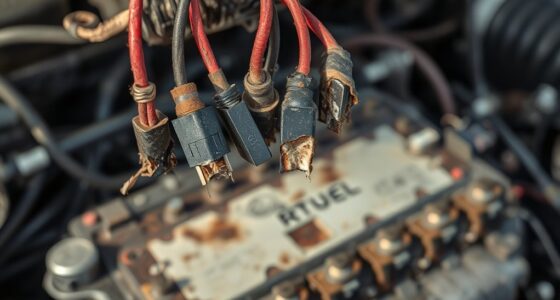
Corrosion prevention is another critical aspect of ground strap maintenance. Over time, exposure to moisture, chemicals, and environmental elements can cause corrosion, which compromises the strap’s conductivity and mechanical integrity. When corrosion begins, it creates resistance at the connection point, impeding electrical grounding and increasing the likelihood of faults. Regular inspections and maintenance help detect early signs of corrosion, allowing you to replace or clean the straps before they fail. Using corrosion-resistant materials, like copper or stainless steel, can extend the lifespan of ground straps and ensure consistent performance. Proper installation techniques, such as tight, clean connections, also reduce the risk of corrosion-related problems and help maintain effective electrical grounding. Additionally, understanding grounding standards ensures that your system complies with safety regulations and performs reliably over time.
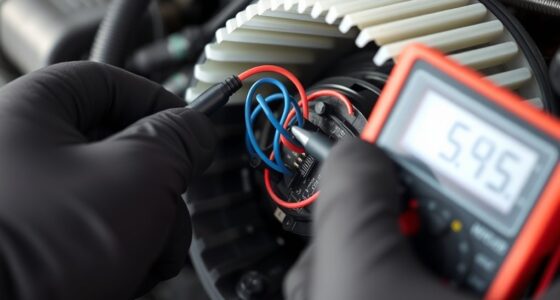
Failing ground straps can lead to serious issues, including intermittent electrical faults, equipment malfunction, or even electrical fires. When a strap becomes corroded or loose, it no longer provides a reliable path to ground, and faults may go unnoticed until significant damage occurs. To prevent this, you should regularly check for signs of wear, corrosion, or loose connections. Ensuring that your ground straps are properly rated and installed according to electrical codes is essential for system safety and performance.
Frequently Asked Questions
How Do Ground Straps Prevent Electrical Fires?
Ground straps prevent electrical fires by providing a safe path for stray electrical currents, ensuring proper electrical grounding. When ground strap corrosion occurs, it can hinder this safety function, increasing the risk of sparks and fires. You should regularly inspect and replace corroded ground straps to maintain effective electrical grounding, reducing the likelihood of electrical fires caused by faulty grounding connections. Proper maintenance keeps your electrical system safe and reliable.
Can Ground Straps Be Reused After Failure?
You shouldn’t reuse ground straps after failure because their durability is compromised, which can lead to safety issues. When a ground strap fails, it may have corroded or lost its conductivity, making reuse risky. Always inspect the strap thoroughly; if there’s any damage or corrosion, replace it rather than reuse. Reuse considerations include ensuring the strap maintains its integrity and meets safety standards to prevent potential electrical hazards.
What Materials Are Best for High-Voltage Ground Straps?
For high-voltage ground straps, you should choose materials like copper or aluminum, as they offer excellent conductivity and durability. When selecting materials, consider their conductivity, corrosion resistance, and ease of installation. Conduct durability testing to guarantee they withstand high-voltage conditions over time. Copper is often preferred for its superior conductivity, but aluminum can be a cost-effective alternative if properly tested for durability.
How Often Should Ground Straps Be Inspected or Replaced?
Did you know that electrical faults cause over 70% of industrial fires? You should inspect your ground straps at least every six months, especially after severe weather or heavy use. Check for corrosion, fraying, or loose connections. Replace straps if you notice significant wear, damage, or corrosion, as part of your regular installation frequency and replacement criteria. Staying proactive safeguards your equipment and ensures safety.
Are There Industry Standards for Ground Strap Testing?
Yes, industry standards exist for ground strap testing to guarantee safety and reliability. You should follow guidelines from organizations like OSHA, ANSI, or IEEE, which specify procedures for testing and inspecting ground straps regularly. Conduct ground strap testing using proper equipment, and replace any straps that show signs of wear or fail to meet the required standards. Adhering to these standards helps prevent electrical failures and safety hazards.
Conclusion
Just like a sturdy bridge keeps a city connected, your ground straps guarantee your electrical system stays safe and reliable. When they fail, it’s as if the bridge crumbles, leaving your equipment vulnerable to surges and damage. Regular checks act as your maintenance crew, preventing disasters before they happen. Keep your ground straps in top shape, and you’ll navigate the electrical landscape smoothly—avoiding the chaos of unseen faults lurking in the shadows.