If your power windows stop working, electrical issues are likely the cause. Common problems include faulty relays, wiring faults, or corrosion disrupting the current flow to the motors. You might notice the windows won’t respond or hear clicking sounds when pressing the switch. Sometimes, the issue affects multiple windows at once. Understanding these electrical causes can help you troubleshoot better, and if you want to explore solutions, there’s more you need to contemplate.
Key Takeaways
- Electrical system faults can disrupt current flow, causing power window failures.
- Faulty relays may prevent window motors from activating or cause multiple windows to stop working.
- Wiring issues like damage, corrosion, or disconnections interrupt power supply to the window motors.
- Intermittent operation or unresponsiveness may indicate wiring faults or relay problems.
- Regular inspection and testing of relays and wiring help identify and prevent electrical causes of window malfunctions.

Power Window Problems
Are your power windows acting up? If you’re having trouble getting them to roll up or down smoothly, the issue might be rooted in your vehicle’s electrical system. Power window problems are often caused by electrical faults that disrupt the flow of current, preventing your windows from functioning correctly. Two common culprits are relay issues and wiring faults. Understanding these problems can help you diagnose and possibly fix the issue before heading to a mechanic.
Relay issues are a frequent source of power window malfunctions. Your vehicle’s power window system relies on relays to control the electrical current that powers the window motors. When a relay fails or becomes faulty, it can prevent current from reaching the motor, leaving your windows unresponsive. Sometimes, relays can develop corrosion or burn out due to repeated use or electrical surges. If you notice that the switch clicks but the window doesn’t move, or if all windows stop working simultaneously, a faulty relay might be the cause. Replacing a relay is often straightforward and inexpensive, but it requires locating the relay box, identifying the correct relay, and ensuring you use the right part.
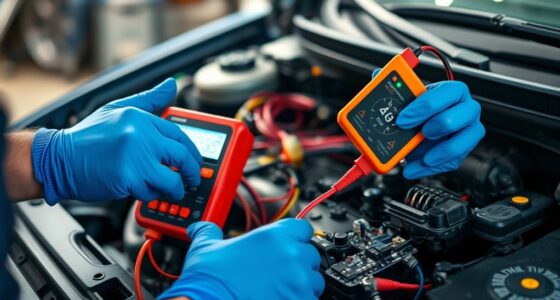
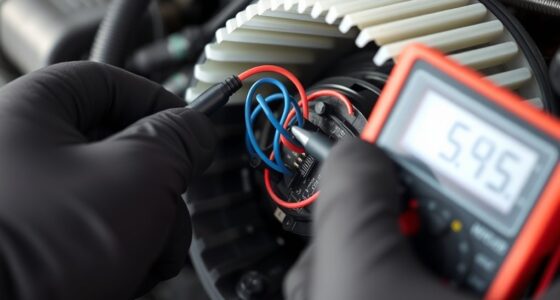
Wiring faults are another common reason for power window problems. Over time, wires can become damaged, frayed, or disconnected, especially in older vehicles or those exposed to harsh conditions. Wiring issues can result from rodents chewing through wires, corrosion at connection points, or wear and tear from repeated use. When wiring faults occur, you might notice intermittent window operation, windows that work only when you press a certain spot on the switch, or complete failure of the system. Diagnosing wiring faults involves inspecting the wiring harnesses and connectors for visible damage or corrosion. Using a multimeter can help you check for continuity and identify breaks or shorts in the wiring. Repairing wiring faults often involves replacing damaged sections of wire, cleaning corroded connections, or re-securing loose plugs. Additionally, cybersecurity vulnerabilities in vehicle electrical systems can sometimes be exploited, so ensure your vehicle’s systems are secure and up-to-date.
To troubleshoot these electrical issues, start by listening for relay clicks when you press the window switch. If you don’t hear any sound, the relay might be dead. Next, inspect the wiring harnesses for damage or signs of wear. If you’re comfortable with electrical work, you can test the relay and wiring with a multimeter. Otherwise, it’s wise to consult a professional to avoid causing further damage or risking electrical shock. Addressing relay issues and wiring faults promptly can restore your power windows’ functionality and prevent more extensive electrical problems down the line.
Frequently Asked Questions
Can Power Window Issues Be Caused by a Blown Fuse?
Yes, power window issues can be caused by a blown fuse. When the fuse blows, it interrupts the electrical circuit, preventing the window motor from functioning. You should perform electrical troubleshooting to identify if the fuse is the problem. If it’s blown, fuse replacement is necessary to restore power. Always check the fuse box first, and replace any blown fuses with new ones of the same amperage to guarantee proper operation.
How Do I Test the Power Window Motor?
If your window isn’t moving, you need to test the motor to find out if it’s the culprit. Start with electrical diagnosis by checking for power at the motor connector using a multimeter. Then, perform motor testing by directly applying 12 volts to the motor terminals to see if it runs. This hands-on approach helps you quickly identify faults, ensuring you address the root cause and get your window working again.
Is a Faulty Switch Responsible for Window Malfunction?
Yes, a faulty switch can cause your window to malfunction. Switch failure often results from wiring issues or wear over time, preventing proper electrical flow. To check, press the switch and listen for a clicking sound or feel for resistance. If there’s no response, test the switch with a multimeter for continuity. Replacing a defective switch or fixing wiring problems usually restores window function.
Can Wiring Damage Affect Power Window Operation?
Wiring damage can definitely impact your power window’s performance, much like a broken circuit in a well-oiled machine. Corrosion or electrical shorts in the wiring can interrupt the flow of power, causing your window to stick or not move at all. Regularly inspect for corrosion or frayed wires, and address any issues promptly to keep your windows functioning smoothly. Ignoring wiring damage risks complete failure, leaving you stranded.
When Should I Replace a Power Window Regulator?
You should replace a window regulator when it no longer moves your window smoothly or if you hear grinding noises. If your window gets stuck or drops unexpectedly, it’s a sign the regulator is failing. The replacement timeline depends on usage and conditions but typically occurs after several years of service or if electrical issues persist. Addressing these signs promptly guarantees your window functions reliably and prevents further damage.
Conclusion
Dealing with power window issues can be frustrating, but understanding common electrical causes helps you troubleshoot effectively. Did you know that over 30% of vehicle electrical problems are linked to faulty switches or wiring? By inspecting these components first, you can often save time and money. Staying proactive and familiar with these common issues guarantees your windows stay functional, keeping you safe and comfortable on the road. Regular maintenance really makes a difference!