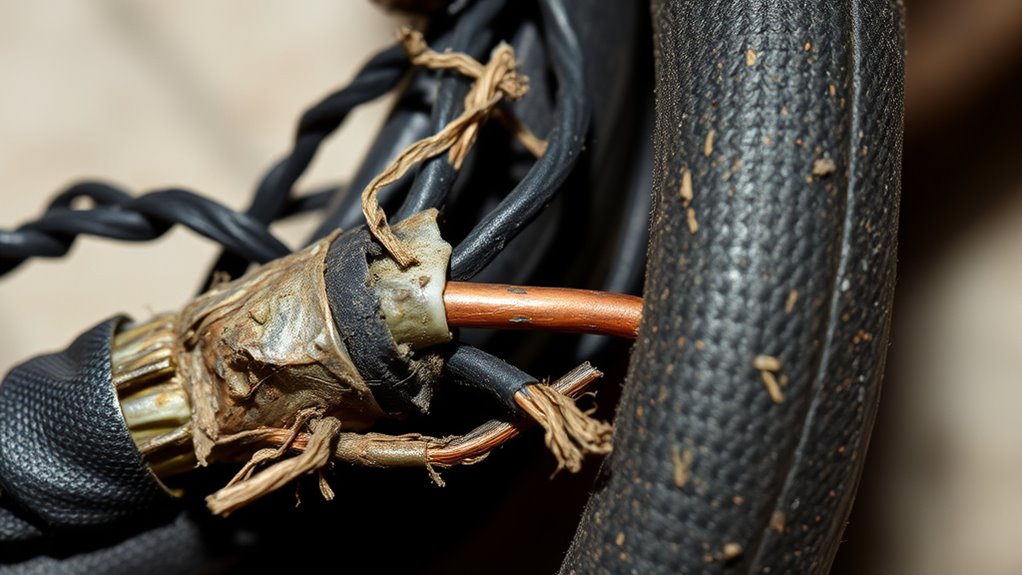

Wiring harness chafing and corrosion occur when wires rub against engine parts or are exposed to moisture, dirt, and harsh environments, leading to insulation damage and electrical issues. As insulation wears or tears, wires are vulnerable to shorts, corrosion, and system failures. Regular inspections can catch early signs like frayed wires or corrosion spots. To prevent costly repairs, ongoing maintenance is essential—keep exploring to discover how to protect your wiring effectively.
Key Takeaways
- Regularly inspect wiring harnesses for signs of wear, fraying, or melted insulation to detect early chafing or damage.
- Identify and eliminate sources of chafing, such as wires rubbing against engine parts or sharp edges.
- Protect wiring from moisture and contaminants to prevent corrosion and maintain electrical integrity.
- Repair or replace damaged insulation promptly to avoid shorts, electrical failures, and system malfunctions.
- Use protective covers, grommets, and routing techniques to minimize friction and environmental exposure.

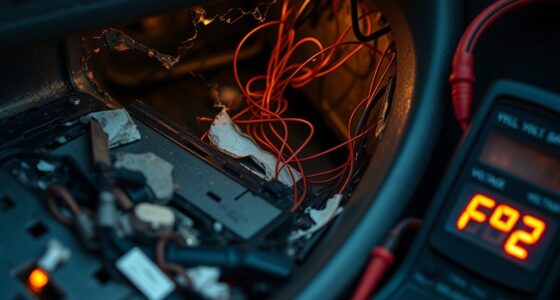
Have you ever wondered why wiring harnesses sometimes fail prematurely? The answer often lies in the wear and tear that occurs over time, particularly from chafing and corrosion. These issues are common but can be subtle until they cause substantial problems. One of the main reasons wiring harnesses fail early is insulation damage. When the protective coating around wires gets worn down or torn, it exposes the conductive metal inside. This exposure makes the wires vulnerable to electrical shorts, which can cause malfunctions or, worse, complete system failures. If you notice flickering lights, blown fuses, or electrical components that don’t operate correctly, chafing and corrosion might be the culprits behind insulation damage.
Chafing happens when wires rub against sharp or rough surfaces, causing gradual wear on the insulation. This can occur in tight engine compartments, along frame rails, or where harnesses pass through grommets and clips. Over time, this constant friction weakens the insulation, creating tiny breaks or cuts. Once the insulation is compromised, moisture, dirt, and other contaminants can reach the wire’s metal core, accelerating corrosion. Corrosion isn’t just a cosmetic issue; it markedly impairs electrical conductivity, resulting in poor connections and intermittent faults. When corrosion develops, the electrical resistance increases, which can lead to voltage drops, overheating, or complete circuit failure.
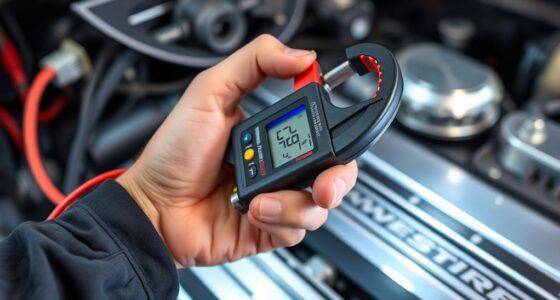
It’s essential to inspect wiring harnesses regularly, especially in older vehicles or those exposed to harsh environments. Look for signs of chafing, such as worn spots, frayed wires, or melted insulation. Also, check for corrosion at connection points or along the wires themselves. Addressing these issues early prevents insulation damage from escalating into more severe problems like electrical shorts. Electrical shorts happen when exposed wires come into contact with other conductive surfaces or each other, causing unintended current paths. These shorts can blow fuses, damage electronic modules, or trigger warning lights on your dashboard. Preventing insulation damage and corrosion is key to ensuring your wiring harness functions correctly and safely. Regular inspections and protective measures can significantly extend the lifespan of wiring harnesses by reducing exposure to environmental stressors and mechanical wear, highlighting the importance of preventive maintenance.
Frequently Asked Questions
How Can I Prevent Wiring Harness Chafing in High-Vibration Environments?
To prevent wiring harness chafing in high-vibration environments, you should use protective tubing to shield the wires from friction. Additionally, install vibration dampers to absorb shocks and reduce movement that causes wear. Secure the harness properly to prevent excessive movement. Regular inspections help identify early signs of chafing or damage, allowing prompt repairs. Combining these measures keeps your wiring safe and prevents costly failures.
What Are the Most Common Signs of Wiring Harness Corrosion?
Imagine your wiring harness as a delicate garden hose. Corrosion indicators, like rust spots or greenish-blue buildup, signal trouble. Chafing symptoms, such as visible wear, frayed wires, or insulation damage, also alert you to issues. If you notice corrosion or chafing signs, it’s time to act—inspect closely, clean corrosion, and replace damaged sections to keep your system flowing smoothly and prevent costly failures down the road.
Which Materials Are Best for Protecting Wiring Against Chafing and Corrosion?
You should use high-quality insulation materials like PVC, rubber, or Teflon to safeguard your wiring from chafing and corrosion. Applying protective coatings such as rubberized or epoxy coatings adds an extra layer of defense against environmental damage. These materials and coatings prevent wear, resist moisture, and block corrosion, helping your wiring stay intact and functional longer. Regular inspections and maintenance also ensure your protection remains effective over time.
How Often Should Wiring Harnesses Be Inspected for Damage?
Think of your wiring harness as the veins of your vehicle; regular checkups keep everything flowing smoothly. You should inspect it every 6 to 12 months for damage assessment, especially if your vehicle operates in harsh environments. Frequent inspections help catch chafing and corrosion early, preventing costly repairs. Staying proactive guarantees your wiring remains intact, reliable, and safe, much like maintaining the health of your own body through regular checkups.
Can Wiring Harness Chafing Cause Electrical System Failures?
Yes, wiring harness chafing can cause electrical system failures. When wiring insulation wears through due to chafing, it exposes conductors to moisture and corrosion, leading to short circuits or electrical faults. Regular battery maintenance and inspections help identify early signs of chafing, preventing costly failures. Ensuring proper routing and protective covers also reduces the risk of wiring damage, keeping your electrical system reliable and safe.
Conclusion
Regularly inspecting your wiring harness can prevent costly damage from chafing and corrosion. Imagine a boat owner ignoring early signs, only to face engine failure during a critical trip. By catching small frays or corrosion early, you save money and avoid dangerous breakdowns. Stay vigilant with routine checks, use protective sleeves, and keep terminals clean. Taking these simple steps guarantees your wiring stays secure and functional, giving you peace of mind on every journey.