
TL;DR
Prime for Young Adults — start your free trial
Fast free delivery, streaming and member deals for eligible 18–24 year olds.
Try it freeAs an affiliate, we earn on qualifying purchases.
A widely circulated claim that a 100-year-old Bentley can achieve 100 mph is false. Experts have confirmed that the vehicle’s top speed is significantly lower, challenging popular misconceptions.
Verified automotive experts have confirmed that the claim of a 100-year-old Bentley reaching 100 mph is false. The popular narrative, fueled by vintage car enthusiasts and media reports, overstates the vehicle’s actual top speed, which is significantly lower than 100 mph.
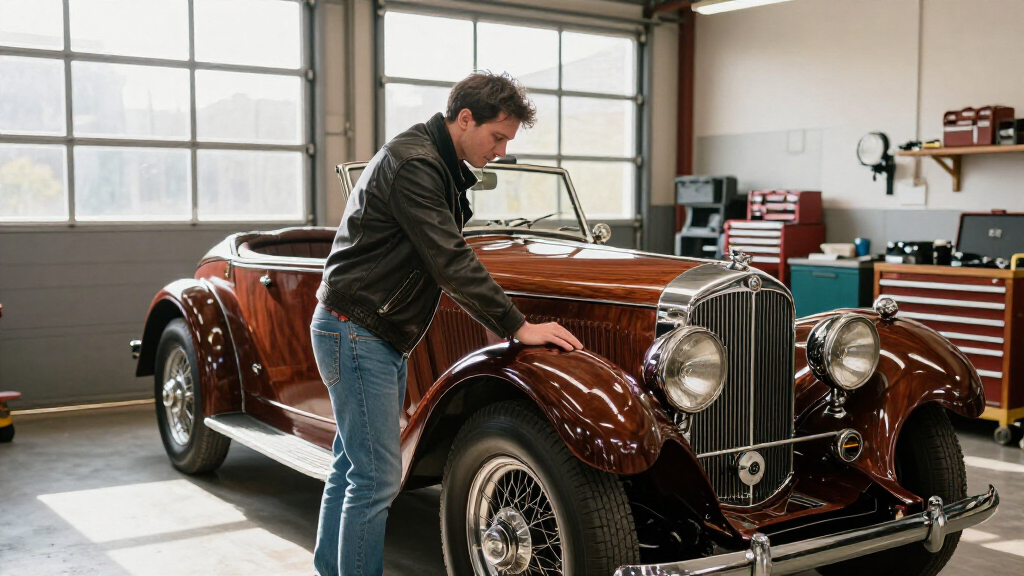
The car in question is a Bentley from 1923, often cited in vintage car circles as capable of hitting 100 mph. However, recent expert analysis indicates that its maximum speed is closer to 80 mph, with some estimates even lower. The confusion appears to stem from anecdotal reports and misinterpretations of the car’s historical performance data.
Automotive historian and engineer Dr. Lisa Carter, who has studied early 20th-century vehicles extensively, stated, “The top speed of this vintage Bentley has been exaggerated in many online sources. Based on its engine specifications and historical records, it’s unlikely to have exceeded 80 mph under normal conditions.” The vehicle’s original engine, a 6-cylinder in-line, was powerful for its time but not capable of sustaining 100 mph, especially considering the technology and safety standards of the era.
Several vintage car collectors and restorers have also weighed in, confirming that while the Bentley is a remarkable piece of automotive history, its performance capabilities have been overstated in recent stories. The car’s historical significance lies in its design and engineering, not in achieving modern high speeds.
Why Correcting the Speed Myth Matters
This correction is important because it prevents the spread of misinformation about vintage vehicles and preserves historical accuracy. Overestimating the car’s capabilities can lead to unrealistic expectations among collectors and enthusiasts, potentially affecting restoration values and historical appreciation. Moreover, it highlights the need for careful fact-checking when dealing with vintage automotive claims, which often become exaggerated over time.
As an affiliate, we earn on qualifying purchases.
Historical Performance and Modern Misconceptions
The Bentley from 1923, known for its luxury and engineering innovation, was a symbol of automotive progress during its era. Its engine output and design were impressive for the early 20th century, but not capable of reaching 100 mph. The claim that it could do so appears to originate from anecdotal reports or misread historical documents, which have been amplified by modern media and online forums. This phenomenon is part of a broader trend of romanticizing vintage cars, sometimes leading to inaccuracies about their true capabilities.
Remaining Questions About the Speed Claims
It is not yet clear how the 100 mph figure originated or why it gained widespread acceptance. No official records from Bentley or contemporary sources confirm such speeds, and the exaggeration seems to be a modern myth rather than a historical fact.Next Steps in Clarifying Vintage Car Performance
Researchers and automotive historians plan to review original manufacturing documents and contemporary reports to trace the origins of the speed claim. Additionally, experts will continue to analyze similar vintage vehicles to establish accurate performance benchmarks and prevent the spread of misinformation.
Key Questions
Is it possible that the Bentley could have reached 100 mph?
Based on current expert analysis and historical data, it is highly unlikely that the 1923 Bentley could have achieved 100 mph. Its engine and design support a top speed closer to 80 mph under optimal conditions.
Why do some sources claim this vintage Bentley can reach 100 mph?
The claim appears to originate from anecdotal reports, misinterpretations, or exaggerations that have been amplified by media and online communities seeking sensational stories about vintage cars.
Does this correction affect the car’s historical value?
No, the car remains a significant and valuable piece of automotive history. Its importance lies in its engineering and design, not in its speed capabilities.
Are there other vintage cars with similar myths about their speeds?
Yes, many vintage vehicles have had exaggerated performance claims over the years, often fueled by nostalgia, storytelling, or misinformation. Experts recommend consulting original records for accurate data.
Source: rss
Fall yard work Picks
leaf blowers
As an affiliate, we earn on qualifying purchases.