TL;DR

Get business pricing on garage and car supplies
- Business-only prices and quantity discounts
- Tax-exempt purchasing
- Multiple users, one account, clear invoices
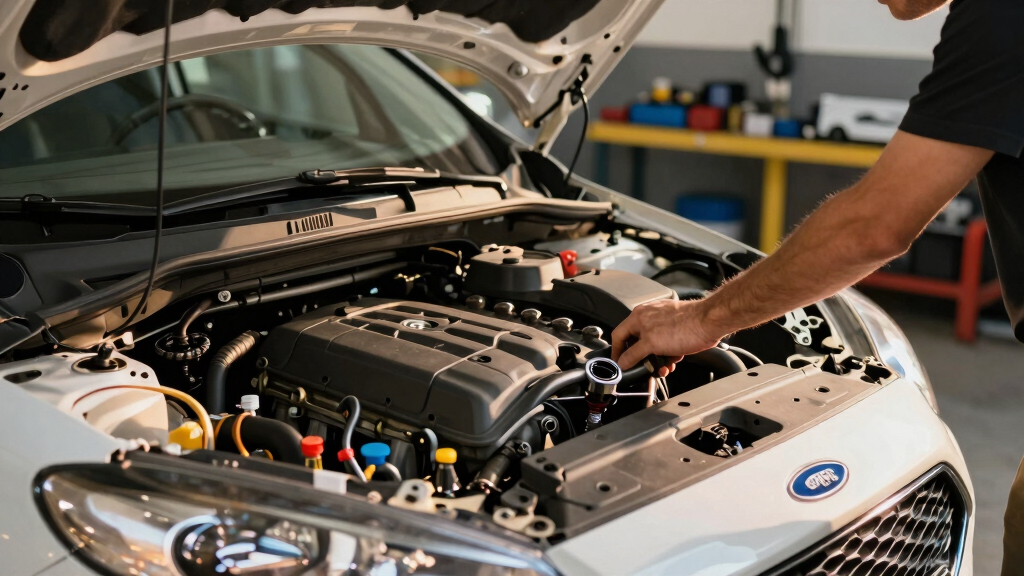
Ford is recalling more than 150,000 vehicles across several models due to brake system issues. The recall aims to address safety concerns, with details confirmed by the company. Remaining questions focus on affected models and repair timelines.
Ford has issued a recall for more than 150,000 vehicles across multiple model years due to potential brake system failures. You can find more details in the Ford Mustang US Vehicle Recall page. The recall, announced on April 15, 2024, aims to address safety concerns that could increase the risk of accidents. For related safety issues, see our guide on vehicle safety recalls. This development is confirmed by Ford officials and is part of an ongoing effort to ensure vehicle safety and compliance with federal regulations.
Ford’s recall affects several popular models, including the Ford F-150, Escape, and Edge, manufactured between 2020 and 2023. The company states that a defect in the brake pressure sensor could cause the brakes to malfunction or become unresponsive, especially under certain driving conditions. Ford has notified dealerships and owners, providing instructions for free repairs and replacements of the faulty components.
According to Ford spokesperson Sarah Miller, ‘We are committed to the safety of our customers and are proactively recalling affected vehicles to address the issue.’ The recall is coordinated with the National Highway Traffic Safety Administration (NHTSA), which has issued a recall campaign number, 24V-123.
Owners of affected vehicles are advised to check their vehicle identification number (VIN) on Ford’s official recall website or contact authorized dealerships for inspection and repair scheduling. Learn more about the recall process. The company estimates that the repair process will take approximately one hour per vehicle, and parts are currently available for immediate replacement.
Why the Ford Recall Is a Critical Safety Reminder
This recall underscores the importance of timely vehicle maintenance and manufacturer responsiveness to safety issues. While no crashes or injuries have been reported yet, the potential for brake failure poses a serious risk to drivers and passengers. The recall also highlights ongoing challenges in vehicle component quality control, especially in high-volume manufacturing.
For consumers, the recall emphasizes the need to stay informed about manufacturer notices and to act promptly when vehicles are affected. Regulatory agencies like NHTSA continue to monitor recalls to ensure automakers prioritize safety and transparency.
brake pressure sensor replacement kit
As an affiliate, we earn on qualifying purchases.
As an affiliate, we earn on qualifying purchases.
Background on Recent Ford Recalls and Vehicle Safety Initiatives
Ford has a history of recalls related to various vehicle systems, including airbags, transmission issues, and electrical faults. The current recall follows a series of safety campaigns over the past two years, reflecting ongoing efforts to address manufacturing defects proactively. In 2022, Ford recalled over 300,000 vehicles for transmission problems, and in 2023, issues with electrical wiring prompted additional recalls.
The current recall was triggered by internal testing and customer reports indicating sporadic brake performance issues. The defect was identified during routine quality inspections and confirmed through diagnostic testing at authorized service centers. The company has stated that it is working closely with suppliers and regulators to resolve the issue swiftly.
“We are committed to the safety of our customers and are proactively recalling affected vehicles to address the issue.”
— Sarah Miller, Ford spokesperson
Remaining Questions About Affected Models and Repair Timeline
It is not yet clear exactly which model years and configurations are most impacted beyond the general range provided. Ford has not specified whether certain trims or packages are more vulnerable. Additionally, the timeline for parts availability and repair appointments may vary by region and dealership capacity. No reports of accidents or injuries linked to this defect have emerged, but investigations are ongoing.
Next Steps for Ford and Vehicle Owners
Ford will begin notifying owners directly via mail and digital channels within the next two weeks. Dealerships are expected to prioritize repairs and stock sufficient replacement parts. The company plans to update the public if additional models are affected or if repair timelines change. Regulatory agencies will continue to oversee the recall process and may issue further guidance if needed.
Owners are encouraged to verify their VINs on Ford’s recall website and schedule repairs promptly to mitigate safety risks.
Key Questions
Which Ford models are affected by the recall?
The recall includes Ford F-150, Escape, and Edge models manufactured between 2020 and 2023. Specific VIN ranges will be provided in owner notifications.
How can I check if my vehicle is affected?
Owners should visit Ford’s official recall website, enter their VIN, or contact their dealership to confirm if their vehicle is included in the recall.
What should I do if my vehicle is affected?
Owners will receive notification from Ford and should schedule a free repair appointment at an authorized dealership. It is advised to avoid driving the vehicle if possible until repairs are completed.
When will repairs be available?
Ford has indicated that parts are available and repairs will begin immediately. The process is expected to take about one hour per vehicle, with priority given to urgent cases.
Are there any reported accidents related to this defect?
As of now, no crashes or injuries have been reported linked to the brake system defect. The recall is precautionary based on internal testing and customer reports.
Source: google-trends
Fall Picks
fall essentials
As an affiliate, we earn on qualifying purchases.