
The diagnostic tool ecosystem blends AI, data integration, and maintenance features to make healthcare faster and more precise. You’ll find AI algorithms analyzing complex health data quickly, while integrated systems gather information from records, labs, and wearables to give a complete patient view. Flushing mechanisms keep equipment running smoothly, reducing downtime. As this ecosystem evolves, it’s transforming patient care into a more personalized, efficient process. Keep exploring to discover how these innovations are shaping the future of diagnostics.
Key Takeaways
- Combines AI-powered diagnostics with advanced data integration for accurate, rapid medical analysis.
- Incorporates flushing mechanisms to facilitate maintenance and ensure system reliability.
- Connects diverse data sources like EHRs, imaging, and genetic info for comprehensive patient insights.
- Enables early detection, prediction, and personalized treatment through intelligent data processing.
- Supports a more efficient, interconnected healthcare ecosystem with ongoing technological advancements.
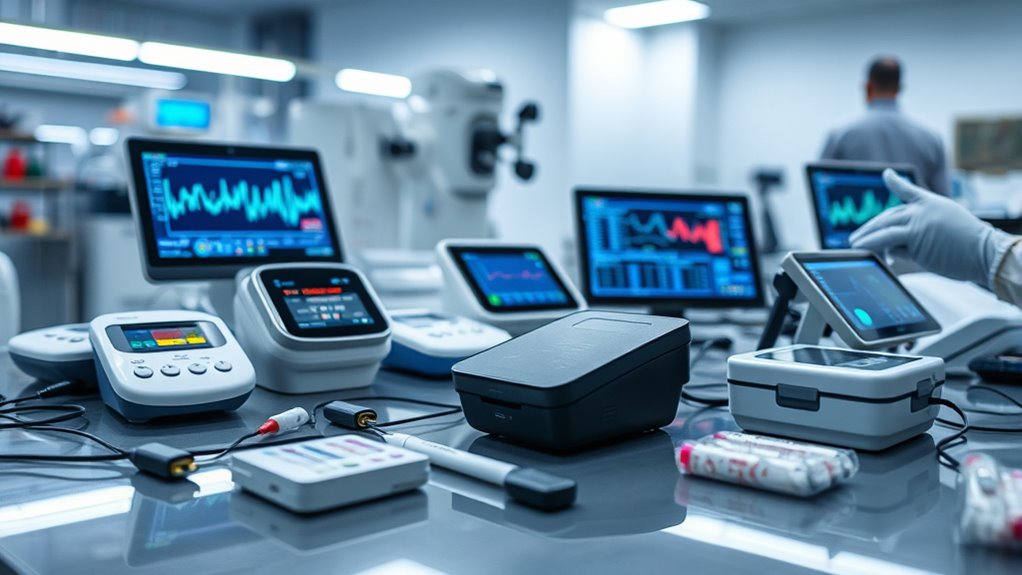
The diagnostic tool ecosystem has rapidly evolved to become a essential component of modern healthcare and technology sectors. This transformation is largely driven by advancements in AI-powered diagnostics, which leverage artificial intelligence to analyze complex medical data quickly and accurately. With AI, you can now identify patterns and anomalies within vast datasets that would have been impossible to detect manually. This technology enhances diagnostic precision, reduces human error, and accelerates decision-making processes, ultimately improving patient outcomes. As you utilize AI-powered diagnostics, you’re tapping into a system that continuously learns and adapts, making it more effective over time and capable of handling diverse medical conditions. Additionally, the integration of flushing mechanisms into diagnostic tools can facilitate the maintenance and troubleshooting of electronic health equipment, ensuring consistent performance and reducing downtime.
AI-driven diagnostics revolutionize healthcare with rapid, precise data analysis and adaptive learning for better patient outcomes.
Central to this ecosystem are data integration systems, which serve as the backbone for gathering, consolidating, and analyzing information from multiple sources. These systems allow you to seamlessly connect data from electronic health records, imaging tools, laboratory results, wearable devices, and even genetic information. By integrating these varied data streams, you gain a thorough view of a patient’s health, enabling more accurate and personalized diagnoses. Data integration systems eliminate silos of information, ensuring that all relevant data is accessible in real-time, which supports faster and more informed clinical decisions. When you rely on these systems, you’re able to reduce redundancies and improve the overall efficiency of diagnostic workflows.
The synergy between AI-powered diagnostics and data integration systems is what truly transforms the diagnostic landscape. As data flows into your system from multiple sources, AI algorithms process this information to highlight critical insights, flag potential issues, and suggest possible diagnoses. This integration not only increases diagnostic accuracy but also allows you to identify trends and predict health risks before symptoms even manifest fully. It’s like having a highly intelligent assistant that sifts through mountains of data, filters out noise, and presents you with actionable intelligence. This capability is particularly essential in managing chronic diseases, infectious outbreaks, and rare conditions where early detection can make all the difference.
In this ecosystem, your role shifts from merely interpreting isolated test results to orchestrating a thorough clinical picture. By harnessing AI-powered diagnostics along with robust data integration systems, you’re equipped to deliver faster, more precise care tailored to each individual. This synergy reduces diagnostic delays, minimizes unnecessary testing, and ultimately enhances the quality of healthcare delivery. As technology continues to advance, expect the diagnostic tool ecosystem to become even more intelligent, interconnected, and indispensable in your daily practice.
Frequently Asked Questions
How Do Diagnostic Tools Integrate With Existing Healthcare Systems?
You can integrate diagnostic tools with healthcare systems by focusing on interoperability standards like HL7 and FHIR, which help overcome interoperability challenges. To guarantee smooth user adoption, you should provide proper training and support, addressing common barriers such as resistance to change and workflow disruptions. By prioritizing seamless integration and user-friendly interfaces, you make it easier for healthcare providers to adopt and effectively use these diagnostic tools within their existing systems.
What Are the Future Trends in Diagnostic Tool Development?
Future diagnostic tools will likely harness AI integration, making them smarter and more efficient. You’ll see personalized diagnostics becoming standard, tailoring tests and treatments to individual genetic and health data. This shift will enable earlier detection of diseases, more precise interventions, and better patient outcomes. As technology advances, expect these tools to be faster, more accurate, and seamlessly integrated into healthcare, transforming how you receive diagnosis and care every day.
How Is Data Security Maintained Within the Ecosystem?
You guarantee data security by implementing robust data encryption, which protects sensitive information during storage and transmission. Access controls are also essential; you restrict data access to authorized personnel only, using multi-factor authentication and user permissions. Regular security audits and updates further strengthen defenses. By combining data encryption with strict access controls, you safeguard patient data and maintain trust within the ecosystem, preventing breaches and ensuring compliance with privacy regulations.
What Training Is Required for Effective Use of Diagnostic Tools?
You need to undergo thorough user training to effectively operate diagnostic tools. Focus on skill development through hands-on sessions and tutorials to understand their functions and troubleshooting techniques. Regular training updates ensure you stay current with new features and best practices. This approach boosts your confidence, improves accuracy, and helps you utilize the tools efficiently, ultimately enhancing diagnostic outcomes and patient care.
How Do Regulatory Policies Impact Diagnostic Tool Innovation?
Regulatory policies act like gatekeepers, shaping how quickly diagnostic tool innovation can flourish. You might find regulatory hurdles as tricky as climbing a mountain, slowing down progress. However, when innovation incentives are aligned, these policies encourage developers to push boundaries, sparking new ideas. By balancing safety with flexibility, you can navigate regulations more smoothly, fueling advancements that improve patient outcomes and transform the diagnostic landscape.
Conclusion
You now see how the diagnostic tool ecosystem transforms healthcare with rapid, accurate results. Did you know that over 70% of medical decisions rely on these tools? Imagine the relief and life-saving potential they bring, empowering both providers and patients. As technology advances, your access to timely diagnostics will only improve, making healthcare more efficient and personalized. Embrace this innovation—it’s shaping a healthier future for us all.