
TL;DR
EV drivers in San Diego have reported waiting as long as an hour or seeking another location when Waymo robotaxis use public fast chargers. Waymo says it prioritizes its own charging depots and tries to keep vehicles from crowding a single station; the chargers are open to both robotaxis and private drivers.
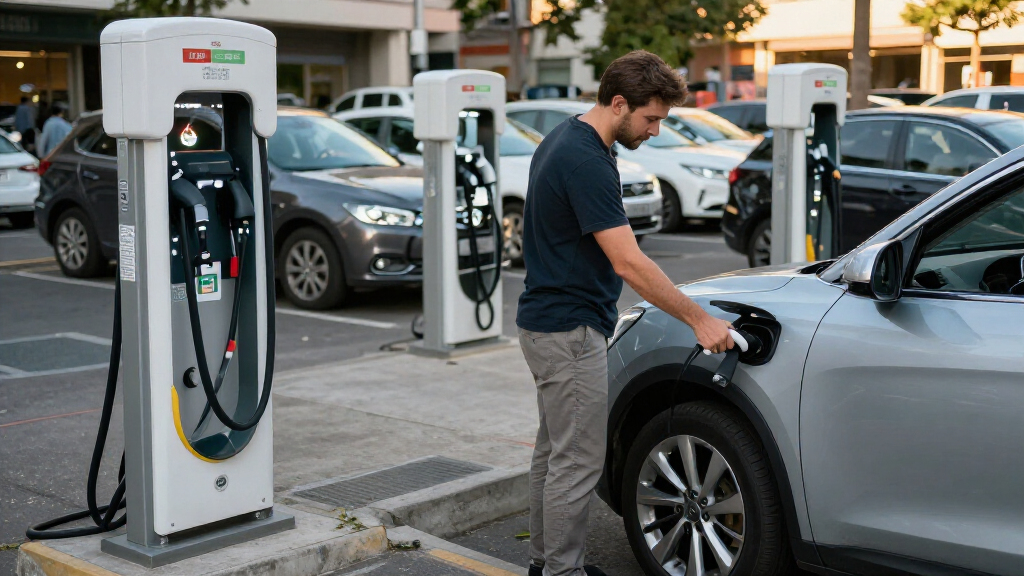
EV drivers in San Diego say they have faced waits of up to an hour or had to find another location when Waymo robotaxis use public fast-charging stations, according to reporting by the Los Angeles Times. Waymo says it prioritizes its own charging depots and tries to avoid having its vehicles crowd a station, while the charger operator says the sites are open to both private drivers and robotaxis.

Get business pricing on garage and car supplies
- Business-only prices and quantity discounts
- Tax-exempt purchasing
- Multiple users, one account, clear invoices
The Los Angeles Times reported that some Waymo vehicles have been using public fast chargers in San Diego. One driver told the newspaper, “They come in droves.” Drivers cited in the report said the cars’ presence can leave them waiting for a stall or looking elsewhere. The source material does not provide a count of affected stations, vehicles or incidents, so the scale of the reported congestion is not established.
Waymo told the newspaper it has staff at some public charging locations to assist robotaxis as they arrive and that it tries to prevent vehicles from gathering at one station. The company said it prioritizes charging at its own hubs. A spokesperson also said Waymo’s Jaguar I-Paces and Zeekr vans, which may be driven by people during breaks, can use public chargers.
EVgo told the Los Angeles Times that its San Diego chargers are available to private EV drivers and robotaxis. The reporting does not say that Waymo violated charging rules. Rather, it describes a conflict over access to shared stalls when both commercial fleets and individual drivers rely on the same public equipment.
Public fast chargers are a practical necessity for drivers who cannot charge at home or need to continue a trip. When multiple stalls are occupied, the impact is immediate: a driver may lose time waiting or need to travel to another station. For a robotaxi operator, charging access is also part of keeping vehicles available for service.
The reports point to a shared-infrastructure pressure that may become more visible as commercial electric fleets expand. Waymo’s private depots are intended to serve its operations, but the company says public charging can still be used, and depot facilities may take time to establish in a new market. The available information does not show how often robotaxis occupy public chargers or whether their use has measurably worsened overall access for local drivers.
Products Worth Considering

Autel 50A Level 2 Hardwired EV Charger with 25 ft J1772 Cable

Autel MaxiCharger 80A Level 2 EV Charger, Hardwired, J1772

Autel 50A Level 2 EV Charger, 240V Hardwired with 25 ft Cable
As an affiliate, we earn on qualifying purchases.
Waymo’s Depot-First Charging Plan
Waymo operates dedicated depots for vehicle maintenance and charging, according to the source report, and says it gives those facilities priority. The company also uses public chargers in some circumstances. It said staff are present at certain locations to assist its vehicles and that it tries to avoid concentrating them at one station.
The report says Waymo serves riders in 15 cities and is expanding its operations. It also notes social-media complaints about Waymo vehicles using chargers in Nashville and St. Louis, but those posts are not independently quantified in the supplied material. Separate past complaints described noise from vehicles returning from shifts in Santa Monica and honking near a San Francisco depot; these are related neighborhood concerns, not evidence about the scale of San Diego charging delays.
““They come in droves.””
— A driver quoted by the Los Angeles Times
The Scale of Delays Is Unknown
The reporting does not identify how many public charging stalls Waymo vehicles use, how often they arrive together, or how many drivers have experienced delays. The reported wait of up to an hour is based on driver accounts; the supplied material does not provide independent station records or a comparison with typical wait times.
It is also unclear when Waymo expects to add or expand dedicated charging facilities in San Diego, whether its current staffing practices will change, and whether the complaints in other cities reflect similar levels of congestion. No citywide data on charger availability or a response from local officials is included in the source material.
Depot Capacity and Charger Access
The immediate issue is whether Waymo can meet more of its fleet’s charging needs at its own facilities as it expands, and whether its efforts to spread vehicles across public sites reduce crowding. The company’s stated priority is its depots, but it has not provided a timeline or capacity figures in the material available here.
For San Diego drivers, the next useful indicators would be station-level occupancy and wait-time data, along with any updates from Waymo or EVgo on charging patterns and site management. Until that information is available, the confirmed picture is limited: robotaxis and private vehicles can use the same chargers, and some local drivers say that access has meant delays.
Key Questions
Are Waymo robotaxis allowed to use the San Diego fast chargers?
EVgo said its chargers are available to both private drivers and robotaxis. The source material does not report that Waymo broke the stations’ rules.
What has Waymo said about the complaints?
Waymo said it prioritizes its own charging hubs, has staff at some public sites to assist vehicles, and tries to avoid crowding one station.
How long have drivers reportedly waited?
Drivers cited in the report said waits can reach up to an hour, or that they have had to find another charging location. The source does not establish how often that happens.
Are drivers reporting the same issue elsewhere?
The source material points to social-media complaints about public charger use in Nashville and St. Louis. It does not provide enough information to compare the number or severity of those reports with San Diego.
Source: insideevs.com