To guarantee your ADAS functions correctly, you need to follow proper calibration procedures after sensor repairs or replacements. This involves inspecting sensors for misalignment, using specialized tools like target boards, and following manufacturer-specific guidelines. Calibration includes static and dynamic steps to verify accuracy in real-world conditions. Regular checks are essential for safety features like collision avoidance and lane-keeping. Keep going to find out more about maintaining your vehicle’s advanced systems properly.

Get business pricing on garage and car supplies
- Business-only prices and quantity discounts
- Tax-exempt purchasing
- Multiple users, one account, clear invoices
Key Takeaways
- Calibration ensures ADAS sensors function accurately, preventing false alerts and system malfunctions.
- Proper calibration is essential after sensor repairs, replacements, or impacts to maintain safety features.
- Static and dynamic calibration procedures, using targets and real-world driving, are required for optimal sensor alignment.
- Manufacturer-specific calibration guidelines must be followed precisely for each vehicle model.
- Regular verification and recalibration are necessary to ensure ongoing ADAS reliability and safety.
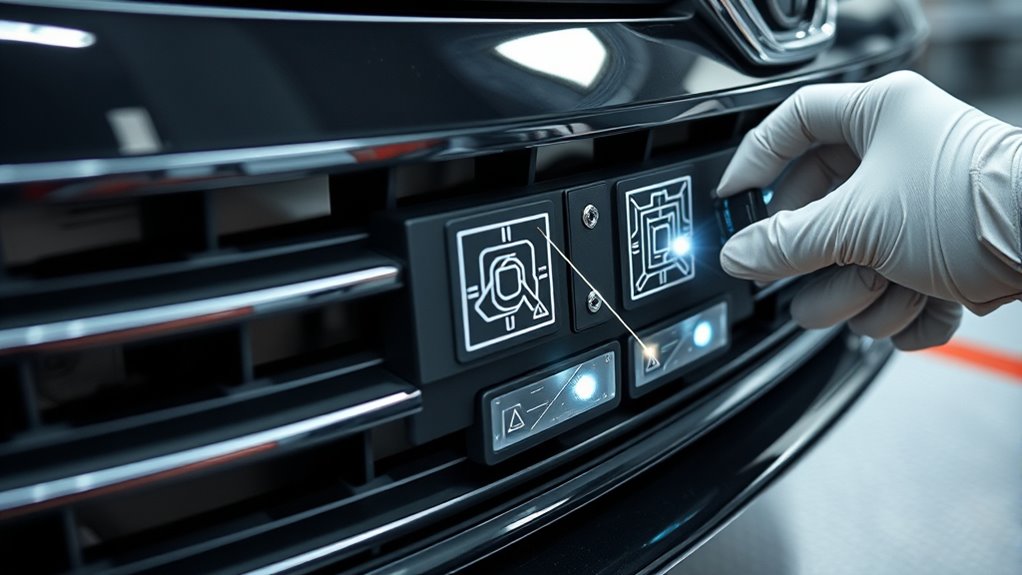
Advanced Driver-Assistance Systems (ADAS) enhance vehicle safety and performance, but they require precise calibration to function correctly. When these systems are installed or after repairs, proper sensor alignment is essential to ensure that the sensors and cameras are positioned accurately. Misaligned sensors can cause false alerts, missed detections, or system malfunctions, compromising safety. That’s why calibration procedures are critical; they serve as the process to verify and adjust the sensors’ positions and settings according to the manufacturer’s specifications.
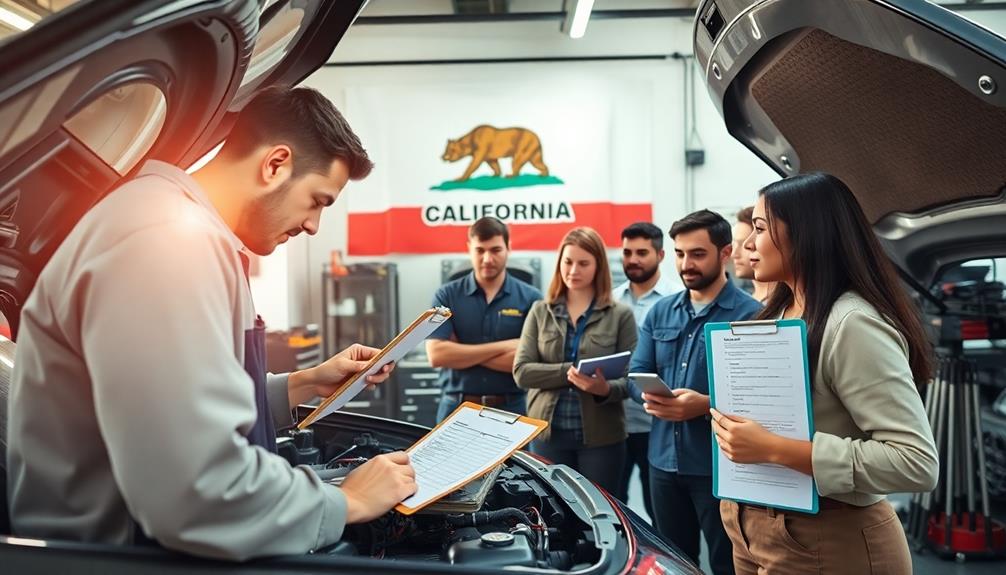
Calibration procedures involve a series of steps designed to align sensors accurately with the vehicle’s geometry. The process often starts with a thorough inspection to identify any misalignments or damage that might affect sensor accuracy. Once the initial check is complete, specific calibration equipment, like target boards and diagnostic tools, come into play. These tools help establish reference points and ensure that sensors are correctly oriented relative to the vehicle and the road environment.
You’ll want to follow the manufacturer’s recommended calibration procedures closely. This typically involves placing the vehicle on a calibration rack or flat surface, then using specialized equipment to perform static or dynamic calibration. Static calibration usually requires you to position the vehicle in front of a calibration target, which helps the sensors establish a baseline reference. Dynamic calibration, on the other hand, involves driving the vehicle on a predetermined route to ensure sensors can accurately interpret real-world conditions. Additionally, high-quality sensor technology can significantly improve calibration accuracy and system performance.
Sensor alignment isn’t a one-time task; it needs to be verified periodically, especially after accidents, repairs, or even minor impacts. Regular calibration ensures continued reliability of ADAS features like adaptive cruise control, lane departure warnings, and automatic emergency braking. If you notice any discrepancies—such as warning lights, erratic system behavior, or sensor errors—it’s a clear sign that recalibration might be necessary.
Working with trained technicians and using certified calibration equipment guarantees that sensor alignment is done correctly. Improper calibration procedures can lead to inaccurate sensor data, which might cause the system to malfunction or ignore critical hazards. Remember that each vehicle model has unique calibration requirements, so following the specific guidelines from the manufacturer is crucial to maintaining the integrity of your ADAS.
As an affiliate, we earn on qualifying purchases.
Frequently Asked Questions
How Often Should ADAS Systems Be Recalibrated After Repairs?
You should recalibrate your ADAS systems whenever repairs impact sensor accuracy, especially after collision repairs, windshield replacements, or any work near sensors. It’s recommended to do so immediately after repairs to guarantee peak performance. Regular recalibration helps maintain sensor accuracy, preventing false alerts or system failures. Always follow manufacturer guidelines and consult qualified technicians to determine the appropriate recalibration schedule, ensuring your safety systems function correctly.
Are There Specific Tools Required for ADAS Calibration?
You need specialized tools for ADAS calibration. About 65% of calibration errors stem from improper sensor alignment, so having precise tools is vital. These include diagnostic scan tools, calibration targets, and alignment equipment. Additionally, software updates are essential to guarantee your systems function correctly after calibration. Using the right tools guarantees accurate sensor alignment, safe operation, and compliance with manufacturer standards.
What Are the Costs Associated With ADAS Calibration Services?
The costs for ADAS calibration services vary based on the vehicle and required procedures. You should do a cost analysis to understand service pricing, which can range from $200 to $600 or more. Factors influencing the price include the calibration type, tools used, and location. Be prepared for additional charges if your vehicle needs special equipment or if the calibration is part of a larger repair.
Can ADAS Calibration Be Performed Outside of Authorized Service Centers?
You can perform ADAS calibration outside authorized service centers using DIY fixes and aftermarket tools, but it’s risky. While some tools claim to help you calibrate your system at home, improper calibration can compromise safety and vehicle performance. Always weigh the potential cost savings against the accuracy needed. For the best results and safety, it’s recommended to rely on professional calibration services, especially for complex systems.
How Do Calibration Requirements Vary Between Different Vehicle Makes?
Calibration requirements vary between vehicle makes because each one has specific calibration procedures and standards outlined in manufacturer guidelines. You need to follow vehicle-specific calibration to ensure your ADAS functions correctly. Ignoring these guidelines can compromise safety and system accuracy. Always use the appropriate tools and procedures recommended by the manufacturer, and consider professional calibration at authorized service centers to meet the precise calibration needs for your vehicle make.
Conclusion
As you navigate the world of ADAS, you realize calibration isn’t just a step—it’s the key to safety and performance. When you see a car’s sensors aligned perfectly, it’s like catching a glimpse of precision in motion. Calibration guarantees your vehicle’s systems work seamlessly, much like a well-tuned instrument. In the end, paying attention to these requirements keeps you safer, sharper, and more confident—because, in the end, it’s all about staying ahead of the road.
Fall Picks
fall essentials
As an affiliate, we earn on qualifying purchases.