
TL;DR

Get business pricing on garage and car supplies
- Business-only prices and quantity discounts
- Tax-exempt purchasing
- Multiple users, one account, clear invoices
The European Union has introduced a regulation requiring all new cars sold within member states to include driver monitoring cameras. This move aims to improve road safety by detecting driver fatigue and distraction. The rule takes effect immediately, but implementation details and industry responses are still emerging.
The European Union has mandated that every new car sold within member states must include a driver monitoring camera, starting immediately. This regulation aims to enhance road safety by enabling real-time detection of driver fatigue, distraction, and impairment, potentially reducing accidents caused by human error. The move marks a significant shift in vehicle safety standards across the EU and impacts automakers, suppliers, and consumers.
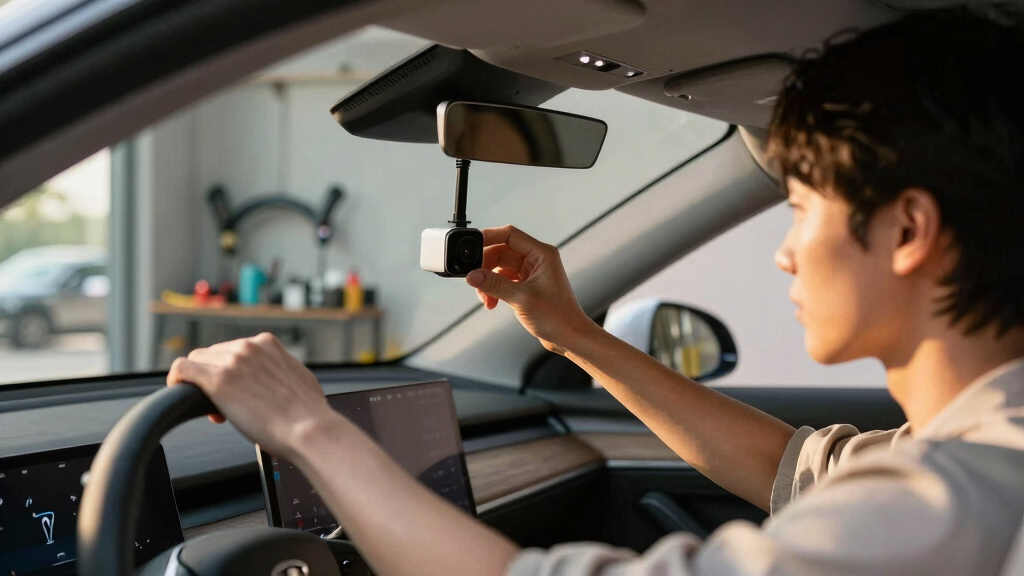
The regulation, introduced by the European Commission, requires all new passenger cars and light commercial vehicles to be equipped with driver monitoring systems (DMS) that include cameras capable of tracking driver attention and alertness. According to the official announcement, the rule applies to vehicles registered in the EU from March 2024 onward. Automakers must ensure compliance to sell new vehicles within the EU market, and authorities will enforce the rule through existing vehicle approval processes. The regulation aims to address the high number of road accidents linked to driver fatigue and distraction, which account for a significant portion of traffic fatalities in the region. Industry sources indicate that the technology involves inward-facing cameras integrated into the vehicle’s dashboard or steering column, capable of monitoring eye movements, head position, and other indicators of driver alertness. The European Commission states that this measure is part of broader efforts to improve vehicle safety and integrate advanced driver-assistance systems (ADAS) across the EU.Automakers and suppliers have begun adjusting their manufacturing lines to meet the new standards. Some industry experts predict that the cost of installing driver monitoring cameras could add a few hundred euros to the price of new vehicles, though exact figures vary by manufacturer. Consumer advocacy groups have welcomed the regulation, citing safety benefits, while some industry representatives express concerns over privacy and data security. The European Automobile Manufacturers Association (ACEA) has stated they are working closely with regulators to ensure smooth implementation, emphasizing that the technology will be designed with privacy protections in mind.Why Mandatory Driver Monitoring Cameras Impact Road Safety
This regulation represents a major step towards integrating advanced safety features into standard vehicle equipment across the EU. By enabling real-time detection of driver fatigue and distraction, the driver monitoring cameras could significantly reduce accidents caused by human error, which is a leading factor in traffic fatalities. For consumers, this means increased safety and potentially lower insurance premiums. For automakers, it introduces new compliance requirements and technological standards. Overall, the move aligns with broader EU policies aimed at reducing road deaths and promoting intelligent vehicle systems.
As an affiliate, we earn on qualifying purchases.
EU Safety Regulations and Adoption of Driver Monitoring Technology
European safety standards have increasingly emphasized the importance of driver assistance systems, with previous regulations requiring features like emergency braking and lane-keeping assist. The recent mandate for driver monitoring cameras builds on these efforts, reflecting a trend toward more proactive safety measures. Similar requirements have been adopted in other regions, such as China and Japan, but the EU’s regulation is among the first to make driver monitoring cameras mandatory in all new vehicles. Industry observers note that this development follows a series of studies linking driver fatigue and distraction to a substantial number of road accidents in Europe, prompting policymakers to act. The regulation was announced after consultations with automotive manufacturers, safety experts, and privacy advocates, aiming to balance safety improvements with data protection concerns.
“This regulation is a crucial step in our efforts to make European roads safer by leveraging technology to monitor driver alertness.”
— European Commission spokesperson
Implementation Challenges and Privacy Concerns
While the regulation is in effect, details about how enforcement will be carried out are still emerging. It is unclear how quickly automakers will fully comply, and whether there will be delays or exemptions. Privacy implications are also a concern; although the European Commission states that data will be protected and only used for safety purposes, specifics about data handling, storage, and user rights are still under discussion. Additionally, some industry critics question whether the technology is sufficiently mature for widespread deployment or if it may lead to increased costs or privacy infringements.
Monitoring Industry Compliance and Addressing Privacy Issues
Regulatory agencies in the EU are expected to begin inspections and audits to ensure automakers meet the new standards. Manufacturers will need to submit compliance reports, and non-compliance could result in fines or bans on vehicle sales. Meanwhile, discussions around privacy protections are likely to continue, with potential updates or clarifications on data security measures. Consumer groups and privacy advocates may also push for transparency and user control over monitoring data. The industry will closely watch how enforcement unfolds and whether additional regulations or guidelines will be introduced to address emerging concerns.
Key Questions
When did the EU regulation requiring driver monitoring cameras take effect?
The regulation became effective immediately upon announcement in March 2024, requiring all new cars sold within EU member states to include driver monitoring cameras.
Will this increase the cost of new vehicles?
Industry estimates suggest that installing driver monitoring cameras could add a few hundred euros to the price of new vehicles, but exact costs will vary by manufacturer and model.
How will privacy be protected with these cameras?
The European Commission states that data collected by driver monitoring cameras will be protected and used solely for safety purposes, but specific data handling protocols are still being finalized.
Are all vehicle types affected by this regulation?
The regulation applies to all new passenger cars and light commercial vehicles sold in the EU from March 2024 onward.
What happens if a manufacturer does not comply?
Non-compliant vehicles could face fines, bans on sales, or other enforcement actions by regulatory authorities within the EU.
Source: hn
Fall Picks
fall essentials
As an affiliate, we earn on qualifying purchases.