
TL;DR

Get business pricing on garage and car supplies
- Business-only prices and quantity discounts
- Tax-exempt purchasing
- Multiple users, one account, clear invoices
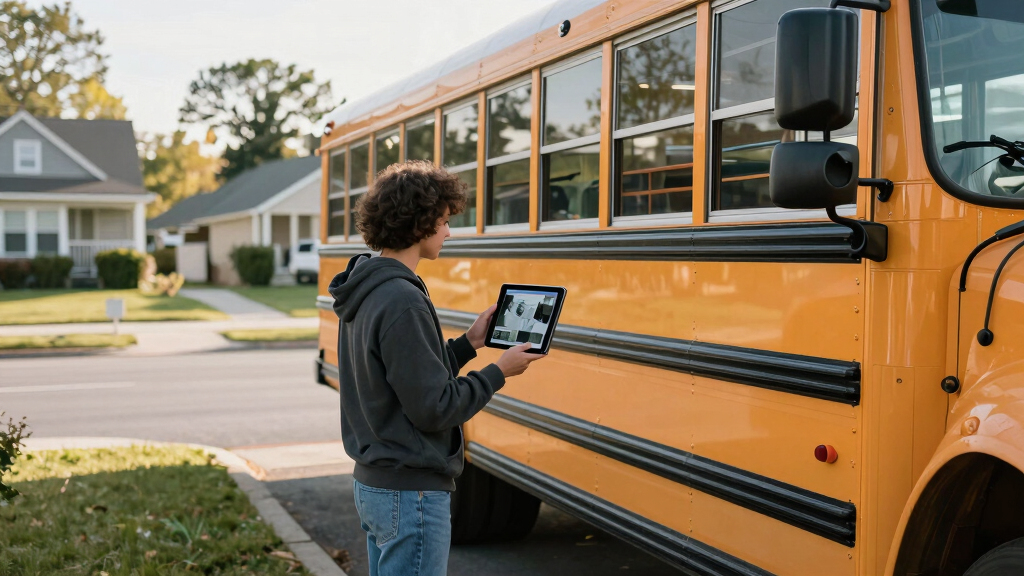
Several school districts are adopting new surveillance technology on buses, installing cameras that monitor students and routes in real-time. This development aims to enhance safety but raises privacy questions. The initiative is in early implementation stages and details are still emerging.
Multiple school districts across the country are beginning to equip their buses with surveillance cameras that can monitor students and surrounding areas in real-time. This move aims to improve safety and accountability but has sparked concerns over student privacy and data security. The deployment is currently in the early stages, with districts testing and planning broader implementation.
According to district officials, the new surveillance systems involve mounted cameras capable of recording video footage throughout the bus routes. These systems are connected to centralized monitoring centers, allowing administrators and security personnel to observe buses live or review recordings later. The initiative is part of broader safety measures, with some districts citing incidents of bullying and vandalism as motivations.
While districts have publicly emphasized safety benefits, privacy advocates and parent groups have raised concerns about the extent of surveillance and data storage. Some districts have stated that access to footage will be restricted and used solely for safety and disciplinary purposes, but specifics vary by location. The technology is being tested in select districts before potential nationwide rollout.
Implications of Surveillance Buses for Student Privacy
This development represents a significant shift in school safety policies, emphasizing increased oversight of students and their environment. While intended to deter misconduct and ensure safety, it raises questions about student privacy rights, data security, and the potential for misuse. The move reflects broader trends in surveillance technology adoption in public institutions, prompting ongoing debate about balancing safety and privacy.
As an affiliate, we earn on qualifying purchases.
Previous Use of Surveillance in Schools and Transportation
Schools have increasingly adopted surveillance cameras over the past decade, primarily in hallways and common areas, to monitor student behavior and prevent violence. The use of cameras on school buses is less common but has been discussed as a way to address issues like bullying, vandalism, and safety during transit. Some districts have piloted camera systems in recent years, but widespread deployment remains limited. This latest initiative signals a potential expansion of surveillance practices into mobile environments.
“Installing surveillance cameras on buses can significantly enhance safety and provide evidence in disciplinary cases, but it must be balanced with respect for student privacy.”
— Jane Smith, School Safety Expert
Unclear Aspects of Surveillance System Deployment and Oversight
It is not yet clear how many districts will fully implement these surveillance systems or what specific privacy safeguards will be in place. Details about data storage duration, access controls, and policies for footage review are still emerging. Additionally, the legal and regulatory framework governing student surveillance in this context remains uncertain, with some experts questioning whether current laws adequately protect student rights in mobile monitoring environments.
Next Steps for School Surveillance Initiatives and Policy Development
School districts are expected to complete pilot programs within the next few months, with some planning broader rollouts later this year. Meanwhile, policymakers and privacy advocates are likely to scrutinize the systems’ privacy safeguards and legal compliance. Public consultations and hearings may follow as districts seek community input and establish clear policies governing surveillance data use and retention.
Key Questions
Will the surveillance cameras record students at all times?
Most districts plan to record during school hours and bus routes, but specific policies vary. Details about continuous or limited recording are still being finalized.
How will student privacy be protected?
Officials state access will be restricted and footage used only for safety and disciplinary purposes, but exact safeguards are still under discussion and review.
Could this lead to increased disciplinary actions against students?
Potentially, as footage can be used as evidence, but districts emphasize that surveillance aims primarily to prevent incidents and promote safety.
Are there legal protections for students against surveillance?
Legal protections vary by state and locality, and the adequacy of current laws to regulate mobile surveillance remains an open question.
What are the privacy advocates’ main concerns?
They worry about overreach, data security, long-term storage, and the normalization of invasive monitoring of minors without sufficient oversight.
Source: rss
Fall Picks
fall essentials
As an affiliate, we earn on qualifying purchases.