TL;DR

Get business pricing on garage and car supplies
- Business-only prices and quantity discounts
- Tax-exempt purchasing
- Multiple users, one account, clear invoices
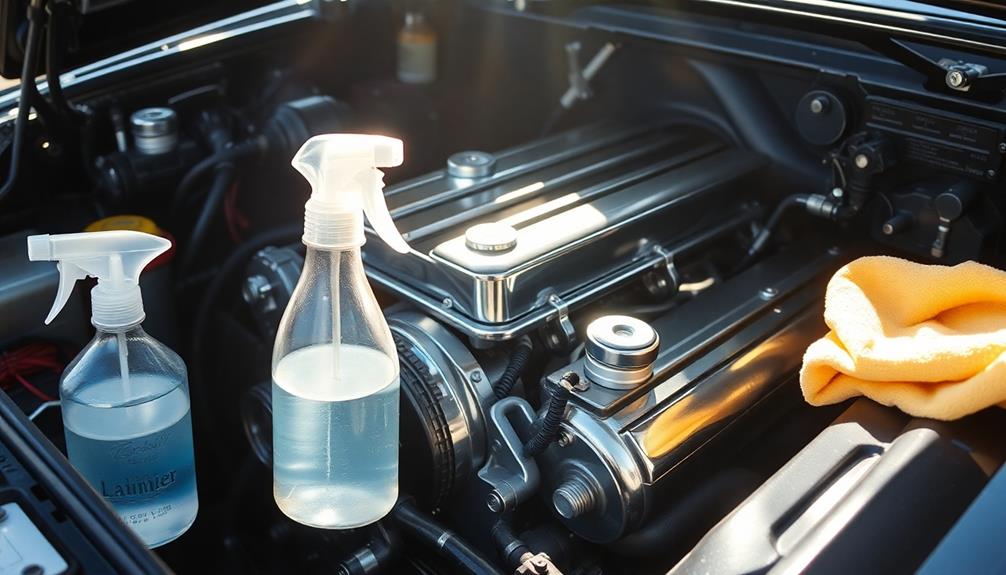
A car detailing kit bundles products and tools to clean and protect a vehicle’s interior, exterior, or both. Choose by the surfaces you need to care for, check labels for compatibility, and keep wheel tools separate from paint tools to reduce scratch risk. Start with a simple wash and interior set; add polish or machine tools only when you know how to use them.
A shiny bottle collection won’t save your paint if the towel beside it is gritty. Car detailing kits can make home care easier, but the right set depends on your car’s surfaces and what you actually plan to do.
Here’s what to look for, how to compare kit bundles products, and which extras you can skip. You’ll also learn a simple way to use your kit while keeping delicate finishes safer.
Choose a kit by vehicle materials and intended jobs, not by how many bottles it contains.
A practical starter set covers washing, drying, glass, and basic interior cleaning.
Keep separate, clean tools for wheels and paint to limit grit-related scratches.
Washing, decontamination, polishing, and protection are different steps.
Consumer ceramic sprays offer a different level of durability from professional ceramic coatings.
What a Car Detailing Kit Can Actually Do
A car detailing kit is a bundle of products and tools for cleaning or protecting a vehicle’s interior, exterior, or both. Kits range from basic wash sets to larger collections with cleaners, brushes, applicators, microfiber towels, and paint-care products. The bundle gives you a starting point; your technique determines much of the result. This distinction matters because a larger kit can supply more options, but it cannot make an unsuitable product compatible or make a risky technique safe.
A wash removes loose dirt and road film. Other jobs take different steps: decontamination removes bonded grime, polishing refines paint, and wax or sealant adds a protective layer. These steps solve different problems, so doing one does not automatically accomplish the next. For example, if your hood feels rough after washing, adding more shampoo won’t remove every bonded particle; that calls for a suitable decontamination product used as directed. Polishing may improve visible paint defects, but it removes a small amount of clear coat, so it is not a routine substitute for washing.
Think of a kit as a toolbox, not a magic wand. A beginner who wants to wash a commuter car and tidy its dashboard needs a different set from an experienced enthusiast correcting paint by machine. Matching the kit to the job helps you avoid paying for products you cannot yet use confidently, while leaving room to add specialized items when a real need arises.
Choose the Kit That Fits Your Car and Your Weekend
Car detailing kits work best when their products match your vehicle materials, your skill level, and the jobs you’ll repeat. An all-in-one set may cover both cabin and paint, but can offer fewer specialized options. A focused interior or wheel kit often makes more sense if one area needs attention. The tradeoff is breadth versus fit: broad coverage is convenient when starting from scratch, while a focused kit can give you products better suited to a particular material or task.
Imagine your car has leather seats, piano-black trim, and a matte wrap. One general cleaner may not suit every surface, so check the label and the vehicle maker’s care guidance before applying anything. A product that is safe on one surface may stain, dull, or otherwise affect another. When compatibility is unclear, test a small, hidden patch first; that lets you spot an unwanted reaction before it appears on a prominent panel.
| Kit type | Often includes | Good fit for | Watch for |
|---|---|---|---|
| Basic wash set | Shampoo, mitt, drying towel | Routine exterior washing | You may need glass and interior products separately |
| Interior set | Interior cleaner, brushes, towels | Dust, light marks, and cabin upkeep | Leather and fabric need compatible products |
| All-in-one set | Wash, glass, interior, and basic protection products | Owners starting from scratch | Check that each item suits your finishes |
| Paint correction set | Polish, pads, sometimes a machine | Experienced users addressing paint defects | Machine polishing requires more skill |
For a first purchase, compare what you’ll use in the next month, not the number of items pictured on the box. A compact set with clear directions can beat a large case full of products that sit untouched. A paint correction kit, for instance, may look like good value but bring little benefit if your paint only needs routine washing; meanwhile, the extra tools and technique can add cost and risk without addressing a problem you have.
Build a Beginner Kit Without Paying for Extras
A useful beginner kit covers a safe wash, clear windows, and light interior cleaning with simple manual tools. Before buying, list the surfaces you plan to clean and check whether the bundle includes clean microfiber towels and a drying towel. If you wash weekly but rarely polish, spend on wash supplies first. They support the task you repeat most often, and clean towels can help prevent dirt from being dragged across paint or glass.
For example, a family car with dusty mats and ordinary clear-coated paint may need shampoo, a wash mitt, drying towels, glass cleaner, interior cleaner, and a soft brush. A foam cannon, powered brush, and polisher can wait. They’re conveniences or specialized tools, not requirements for a careful hand wash. Buying them early can also make the routine more complicated: powered tools and polishing products call for careful technique, while a foam cannon still does not replace rinsing and clean contact tools.
- Pick your main job. Choose routine washing, cabin cleaning, or a particular issue such as wheel grime. Starting with the job makes it easier to judge whether each item in a bundle will earn its place.
- Match products to surfaces. Read the label for paint, glass, leather, fabric, plastic, or specialty finishes. Compatibility matters because a cleaner suited to one material may damage or change the appearance of another.
- Check the usable amounts. Compare bottle sizes and dilution directions; concentrates need accurate measuring. A concentrate may last longer and cost less per use, but only if you can measure and dilute it correctly.
- Separate your tools. Set aside different towels and brushes for wheels and paint. Wheel grime can contain abrasive particles, so keeping those tools apart limits the chance of carrying grit onto the finish.
- Add products later. Buy protection or correction products once you know you need them. This keeps the first routine manageable and lets you learn what your car’s surfaces actually require.
A large kit can look like better value until you notice it includes several products for jobs you never do. Price the items you’ll replenish, too: shampoo and towels usually run out sooner than a bottle used only for occasional paint care. Thinking about cost per use, rather than the number of pieces in the box, gives a more realistic picture of value.
Keep Grit Away from Your Paint
To reduce scratch risk, rinse loose dirt off first, use clean paint-only wash tools, and keep wheel tools away from bodywork. Grit acts like sandpaper when trapped beneath a mitt or towel, leaving fine marks that catch the sun on a dark door panel. Rinsing first reduces the dirt a tool can pick up, while dedicated, clean tools limit how much contamination gets carried from one area to another.
Say you clean muddy wheels, then use the same towel on your hood. Tiny particles from brake dust and road grime can travel with it. Use separate, clearly marked towels for wheels, paint, glass, and interior surfaces, and wash them according to their care instructions. The extra sorting takes a little time, but makes it easier to know which tools are safe for delicate paint and which should stay on dirtier jobs.
- Read product labels and follow dilution and contact-time directions.
- Don’t mix cleaning chemicals, and work where fresh air can circulate.
- Try an unfamiliar product on a small, hidden area first.
- Store chemicals as their labels direct, away from children and pets.
Clean tools protect your finish. If a towel hits the ground, set it aside for paint work until it has been washed.
Extra care matters on matte finishes, soft trim, convertible tops, and coated surfaces. Their care requirements can differ from ordinary clear-coated paint, and an unsuitable cleaner or polishing step may change the surface. When a product’s compatibility is uncertain, check the vehicle maker’s guidance rather than guessing.
Know What Ceramic Sprays and Waterless Washes Promise
Consumer ceramic sprays can add slickness and short-term water beading, but they are not the same as a professionally applied ceramic coating. A spray is generally simpler to use and has different durability; results depend on preparation, weather, the product, and upkeep. That convenience can suit someone who wants an easy maintenance step, but beading alone does not tell you how much protection remains or how long it will last.
Waterless and rinseless washes, concentrated formulas, and refill packaging have also become common. They may reduce water use or packaging, though a waterless wash is not a good fit for every heavily soiled car. With heavy dirt, wiping can move abrasive particles across the finish, which undermines the point of a lower-water method. If your rocker panels are caked in winter grit, follow the product directions and remove heavy dirt safely before wiping.
Read current labels and claims before buying. A product described as ceramic-infused still needs the preparation and maintenance its maker specifies, and marketing language alone can’t tell you how long protection will last. Compare the directions and upkeep with your routine so the promised convenience is realistic for how you use and store the car.
Make Your Kit Pay Off with a Repeatable Routine
A kit pays off when it makes routine care easier, not when every bottle gets used on the same afternoon. Set a short routine based on how you drive and where you park: a dusty garage-kept car needs less frequent attention than one that sits under trees or faces salty winter roads. Matching the frequency to exposure helps prevent neglected buildup without turning care into unnecessary work.
For a Sunday wash, rinse the car, wash with clean paint-only tools, clean the wheels with their own brush and towels, then dry with a clean towel. Finish the glass and do a quick cabin tidy with a compatible interior product. If you plan to apply wax or sealant, follow its directions and give it the surface preparation and drying conditions it calls for. Keeping the steps in a steady order reduces the chance that dirt from a dirtier task reaches a cleaner surface, and following protection directions helps the product perform as intended.
Polishing and longer-lasting protection usually happen less often than washing and interior upkeep. Don’t polish just because a kit includes polish; it removes a small amount of clear coat, so use it only when the task and your skill justify it. A repeatable wash routine preserves cleanliness without repeatedly removing paint, while occasional correction should answer a visible problem rather than a product bundle’s contents.
Frequently Asked Questions
What should a basic car detailing kit include?
Look for car shampoo, a wash mitt, drying towels, glass cleaner, interior cleaner, and microfiber towels. Add wheel brushes or paint protection based on your car and routine.
Can one kit clean both the interior and exterior?
Yes. All-in-one kits cover both areas, though they may have fewer specialized products. Check each label to confirm it suits the surfaces you plan to clean.
Do I need a pressure washer or foam cannon?
No. Many owners can wash carefully with a rinse source, bucket, suitable shampoo, and clean mitt. A pressure washer or foam cannon can add convenience, but it does not replace safe technique.
Are ceramic sprays the same as ceramic coatings?
No. Consumer ceramic sprays are generally easier to apply and have different durability from professionally applied coatings. Follow the specific product’s preparation and maintenance directions.
How do I avoid scratching my car while washing it?
Rinse off loose dirt first, use clean tools dedicated to paint, and keep wheel brushes and towels separate. If a towel falls on the ground, wash it before using it on paint again.
Conclusion
Buy for the care routine you’ll actually follow: a compatible cleaner, clean towels, and a safe wash matter more than a crowded case. Start simple, keep wheel grime away from paint, and add specialized products only when a real job calls for them.
A well-kept car doesn’t need a shelf of bottles; it needs the right tools, used with a little patience.
Halloween Picks
halloween
As an affiliate, we earn on qualifying purchases.