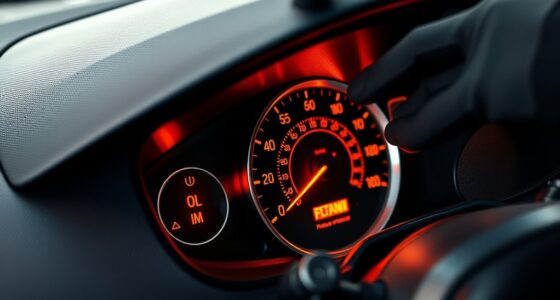

If you’re experiencing diesel DEF system issues, it’s likely caused by contaminated or degraded DEF fluid, sensor calibration problems, or exposure to extreme temperatures. Low-quality DEF or neglecting regular inspections can clog components and trigger warning lights. Dirty sensors may send false readings, causing system shutdowns. Proper maintenance, high-quality DEF, and timely repairs are key to keeping your system functioning smoothly. Continue exploring to understand how to prevent and resolve these common problems effectively.

Get business pricing on garage and car supplies
- Business-only prices and quantity discounts
- Tax-exempt purchasing
- Multiple users, one account, clear invoices
Key Takeaways
- Contaminated or degraded DEF fluid can clog components and cause system malfunctions.
- Sensor calibration errors or dirt on sensors lead to false readings and warning lights.
- Exposure to extreme temperatures and improper storage degrade DEF quality over time.
- Using low-quality DEF from unreliable sources increases the risk of system damage.
- Regular inspection and cleaning of DEF tanks and sensors help prevent issues and ensure proper system function.

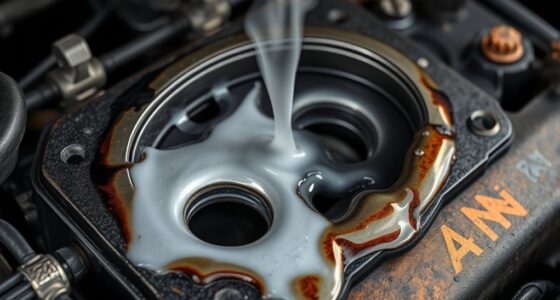
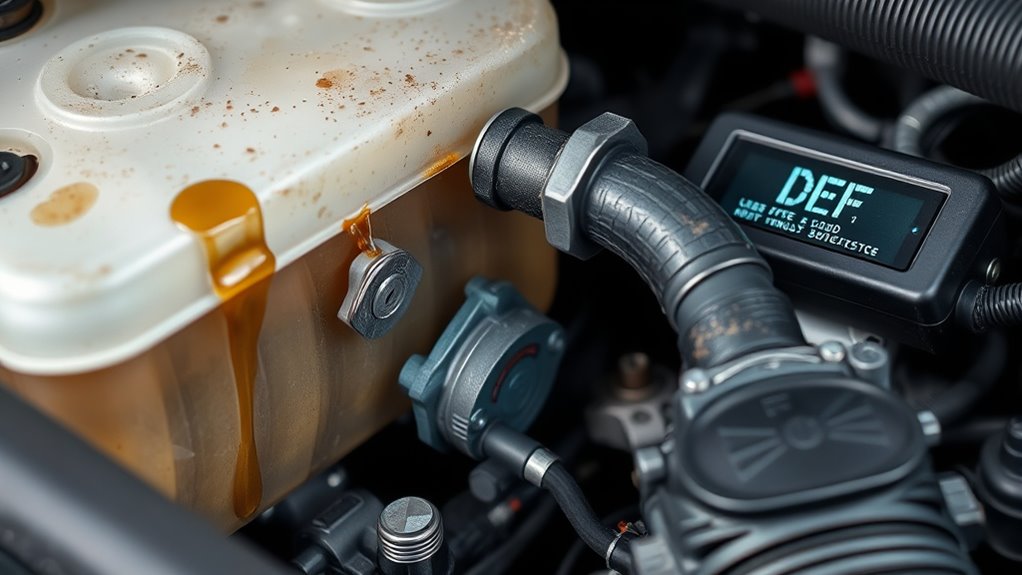
Are you experiencing problems with your diesel vehicle’s DEF system? If so, you’re not alone. Many drivers face issues related to the Diesel Exhaust Fluid (DEF) system, and understanding the root causes can help you troubleshoot effectively. One common problem stems from DEF fluid quality. Over time, DEF can become contaminated or degrade, especially if it’s exposed to extreme temperatures or stored improperly. Poor-quality DEF can lead to clogging of the system, inaccurate sensor readings, and even warning lights on your dashboard. To prevent this, always use high-quality DEF from reputable sources and store it in a cool, dry place. Regularly inspecting the DEF tank for contamination or discoloration can also save you from costly repairs down the line.
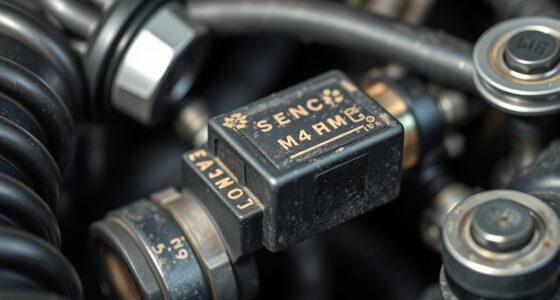
Another key factor affecting the DEF system is sensor calibration. Your vehicle relies heavily on sensors to monitor DEF levels, quality, and other critical parameters. If these sensors are miscalibrated or become dirty, they can send false readings to the engine control module (ECM). This miscommunication often triggers warning lights or causes the system to shut down to prevent damage. Proper sensor calibration is essential for the system to function correctly. Many issues arise when sensors are not calibrated after maintenance or service, so it’s important to have them checked and recalibrated by a qualified technician if you notice persistent error messages or if your vehicle isn’t passing emissions tests. Additionally, dirt or debris on sensors can interfere with their accuracy, which is why keeping sensors clean is a simple yet effective maintenance step.
In many cases, addressing DEF fluid quality and sensor calibration can resolve a significant portion of DEF system issues. If your vehicle’s warning lights are on, or if it’s not passing emissions tests, these are good starting points for troubleshooting. Remember that the DEF system works as an integrated whole, and neglecting one aspect can cause broader problems. For example, using contaminated DEF might lead to clogged filters or malfunctioning sensors, which in turn can trigger more error codes. Regular maintenance, including using the right DEF fluid and ensuring sensors are properly calibrated and clean, can extend the life of your DEF system and keep your vehicle running smoothly. Additionally, understanding DEF system components can help you better diagnose and prevent issues.
Ultimately, staying proactive about DEF fluid quality and sensor calibration is your best defense against costly repairs and vehicle downtime. It’s worth investing time in routine checks and working with qualified technicians who understand these systems. By doing so, you’ll maintain optimal engine performance, comply with emissions standards, and avoid common pitfalls associated with DEF system issues.
Diesel Exhaust Fluid (DEF) quality test kit
As an affiliate, we earn on qualifying purchases.
As an affiliate, we earn on qualifying purchases.
Frequently Asked Questions
How Often Should I Replace the DEF Fluid?
You should replace your DEF fluid every 12,000 to 15,000 miles or as recommended by your vehicle’s manufacturer. Regular DEF fluid maintenance helps guarantee peak emissions system performance. Always check the DEF quality assurance by inspecting the fluid’s color and clarity, and use only high-quality DEF to prevent system issues. Consistent replacement and quality checks help maintain your vehicle’s efficiency and prevent costly repairs.
Can Using Contaminated DEF Damage the System?
Using contaminated DEF is like pouring poison into a delicate machine. Poor Def quality or storage conditions can cause significant damage to your system, leading to clogging, sensor failures, or costly repairs. Always guarantee your DEF is stored properly in sealed containers and check for clarity before use. Maintaining high-quality DEF prevents system issues and keeps your vehicle running smoothly, avoiding unnecessary downtime and expenses.
Are There Warning Signs Before a DEF System Failure?
Yes, there are warning signs before a DEF system failure. You might notice warning lights on your dashboard, reduced engine performance, or increased emissions. Pay attention to these warning signs and perform proactive maintenance to prevent costly repairs. Regularly checking the DEF fluid quality and system components helps catch issues early. Addressing these signs promptly keeps your diesel engine running smoothly and avoids potential system failures.
How Much Does It Cost to Repair a DEF System?
The cost to repair a DEF system varies based on the issue, but you can expect to pay between $200 and $2,000. If your DEF system needs a replacement of DEF fluid components or sensors, it’ll be on the lower end. More extensive system repairs or replacing the DEF injector or DEF tank can push costs higher. Regular maintenance and addressing warning signs early can help prevent costly system repair bills.
Will DEF System Issues Affect Engine Performance?
Did you know that nearly 30% of diesel vehicle repairs relate to DEF system maintenance? When DEF system issues occur, they can definitely impact your engine performance. Faulty DEF components may cause your engine to run less efficiently or enter limp mode to comply with diesel exhaust regulations. Regular maintenance helps prevent these problems, ensuring your engine runs smoothly and stays compliant with emissions standards.
Conclusion
Remember, a stitch in time saves nine. If you notice DEF system issues, don’t ignore them—address them promptly to avoid costly repairs down the road. Regular maintenance and quick action can keep your diesel vehicle running smoothly and reliably. Staying vigilant not only saves money but also keeps you safe on the road. Trust your instincts and handle issues early—that’s the best way to keep your engine happy and your journeys trouble-free.
Fall Picks
fall essentials
As an affiliate, we earn on qualifying purchases.