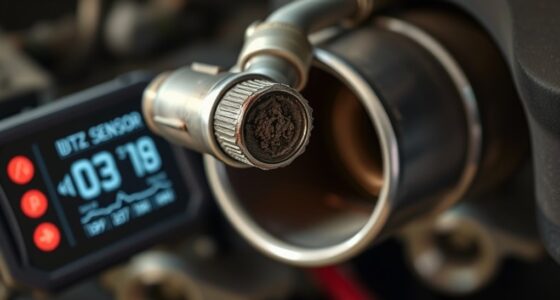
If your device overheats, the root cause often lies in poor thermal management that can’t effectively dissipate the heat generated during use. This can be due to inadequate cooling systems, blocked vents, dust buildup, or inefficient heat transfer methods. You may also have components that run hotter than they should due to improper placement or faulty thermal materials. Understanding these factors can help you address overheating better—keep going to discover how to optimize your device’s cooling solutions.

Get business pricing on garage and car supplies
- Business-only prices and quantity discounts
- Tax-exempt purchasing
- Multiple users, one account, clear invoices
Key Takeaways
- Identify ineffective thermal management and heat buildup as primary causes of overheating.
- Assess cooling system types and their adequacy for specific device components.
- Check for environmental factors and maintenance practices affecting heat dissipation.
- Evaluate heat transfer methods (convection, conduction, radiation) to pinpoint inefficiencies.
- Implement tailored cooling solutions to optimize heat removal and prevent thermal issues.
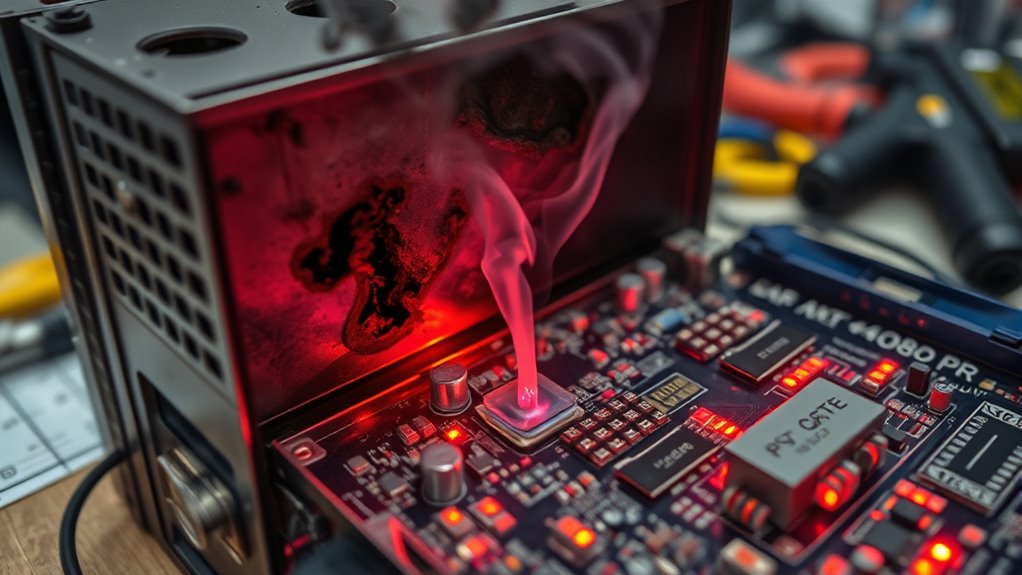
Have you ever wondered why your electronic device overheats? It’s a common frustration, especially when your gadget suddenly slows down or shuts off unexpectedly. The main reason often boils down to ineffective thermal management. Devices generate heat during operation, and if that heat isn’t properly dissipated, it can accumulate quickly, leading to overheating. That’s where cooling systems come into play—they’re essential components designed to keep temperatures in check. Whether it’s a simple fan or a complex liquid cooling setup, these systems are responsible for maintaining excellent performance and preventing damage caused by excessive heat.
Overheating in devices is often due to ineffective thermal management and inadequate cooling systems.
Cooling systems work by transferring heat away from critical components, like processors or batteries, to prevent thermal buildup. They do this through various methods, such as convection, conduction, or radiation. Active cooling solutions, like fans, actively move air to carry away heat, while passive systems rely on heatsinks and thermal interface materials to conduct heat away naturally. Proper thermal management involves selecting and integrating these cooling systems effectively, ensuring they match the device’s power consumption and heat output. Poor thermal management can lead to thermal throttling, where the device intentionally reduces its performance to lower temperature, or worse, permanent damage to sensitive parts.
Understanding the importance of thermal management means recognizing that not all cooling systems are created equal. For high-performance devices like gaming laptops or servers, advanced cooling methods are necessary. These might include liquid cooling or heat pipes designed to transfer heat more efficiently than standard fans and heatsinks. On the other hand, simpler devices might only need basic passive cooling, such as vented casings and thermal pads. Proper placement of vents and fans, along with quality thermal interface materials, can make a significant difference in preventing hotspots and ensuring even heat distribution. Additionally, integrating cooling systems that are tailored to the device’s specific needs can greatly enhance heat dissipation efficiency.
In addition to hardware solutions, managing your device’s environment can also help. Using your device in a cool, well-ventilated area reduces the workload on its cooling systems, allowing them to perform more effectively. Regular maintenance, like cleaning dust from vents and fans, also ensures excellent airflow and prevents overheating. Ultimately, understanding how cooling systems and thermal management work together helps you troubleshoot overheating issues more effectively. By prioritizing proper heat dissipation methods, you safeguard your device’s longevity and smooth operation, avoiding costly repairs or replacements down the line.
As an affiliate, we earn on qualifying purchases.
Frequently Asked Questions
How Can I Prevent Overheating in Electronic Devices?
To prevent overheating in your electronic devices, focus on effective thermal management and cooling solutions. Make sure vents are unobstructed, and consider adding fans or heat sinks to improve airflow. Regularly clean dust from components, and avoid placing devices in hot environments. You can also use thermal pads or liquid cooling if necessary. These steps help maintain ideal temperatures and extend your device’s lifespan.
What Are Common Signs of Engine Overheating?
You notice your engine running hotter than usual, and suddenly, warning lights flash. Common signs include steam from under the hood, coolant leaks pooling beneath your vehicle, or a rising temperature gauge. Radiator blockages and coolant leaks can cause these symptoms, making the engine struggle to stay cool. Don’t ignore these signs; addressing them promptly prevents severe damage and keeps your engine running smoothly.
Does Overheating Always Indicate a Mechanical Failure?
No, overheating doesn’t always mean mechanical failure. Sometimes, thermal expansion causes parts to expand beyond normal limits, leading to coolant leakage, which can cause overheating. External factors like a stuck thermostat or a clogged radiator can also contribute without indicating a serious failure. It’s important to check for these issues early and not assume a mechanical problem is the sole cause, as simple fixes might resolve the problem quickly.
How Does Ambient Temperature Affect Overheating?
The ambient temperature can turn your overheating problem into a blazing inferno, making your device feel like it’s on fire! When ambient heat rises, it overwhelms cooling solutions, leaving your equipment struggling to stay cool. High ambient temperatures reduce the effectiveness of fans and cooling systems, causing overheating. To prevent this, you need to optimize cooling solutions and keep the environment cooler, ensuring your device doesn’t melt under pressure.
Can Software Issues Cause Overheating in Computers?
Yes, software issues can cause overheating in your computer. A software malfunction or driver conflicts may lead to the CPU or GPU running at higher speeds unnecessarily, increasing heat production. When drivers don’t communicate properly with hardware, they can cause components to work harder or stay active longer, raising temperatures. Regularly updating your drivers and running diagnostics can help prevent these issues from causing overheating.
Conclusion
By understanding the root causes of overheating, you can effectively prevent future issues. Think of it like a puzzle—you identify each piece, from cooling systems to airflow, and fit them together. Visualize a well-maintained engine with proper ventilation, preventing heat buildup. Don’t let overlooked details cause breakdowns; instead, focus on proactive solutions. When you approach overheating with a root cause mindset, you keep your equipment running smoothly and avoid costly repairs down the line.
Fall Picks
fall essentials
As an affiliate, we earn on qualifying purchases.