TL;DR

Get business pricing on garage and car supplies
- Business-only prices and quantity discounts
- Tax-exempt purchasing
- Multiple users, one account, clear invoices
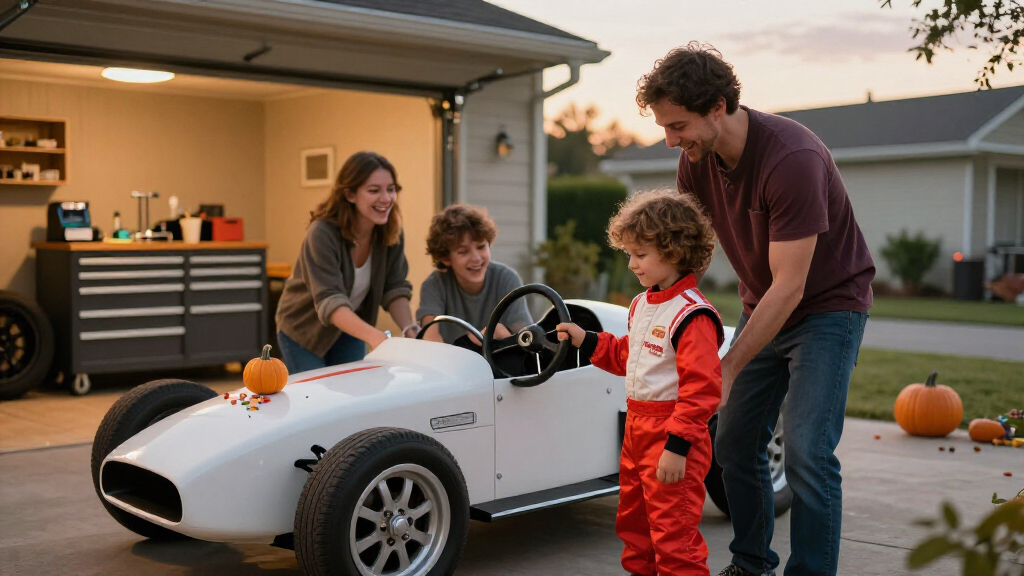
Automotive Halloween costumes range from simple race-car driver and mechanic outfits to homemade vehicle-shaped designs and coordinated family themes. Choose comfortable materials that preserve vision and movement, and decorate a real car only with secure, removable items that leave lights, windows, mirrors, sensors, and the driver’s view clear.
Pick one recognizable detail—such as a checkered flag, work shirt, or matching team colors—to make an automotive costume clear.
Build car-shaped costumes from light materials with wide openings, secure details, and enough room to walk and see.
Keep children visible after dark with reflective details, secure hems, and shoes suited to walking.
Remove masks and bulky props before driving; your costume must allow clear vision, movement, and proper seat-belt use.
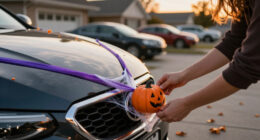
Use removable car decorations that stay secure and leave windows, lights, mirrors, plates, sensors, and sightlines unobstructed.
Choose an automotive costume people recognize at a glance
Automotive Halloween costumes work best when one familiar detail tells the story: a checkered flag suggests racing, while a cap and toy wrench point to a mechanic. That quick recognition matters in a busy party or on a dark sidewalk, where people may only get a brief look. Start with comfortable everyday clothes, then add a clear color scheme or prop that stays easy to carry. More detail can make a costume richer up close, but bulky pieces often make it harder to move and less clear from a distance. Popular ideas include a race-car driver, pit-crew member, mechanic, taxi driver, or classic car character. For example, black pants, a plain shirt, a checkered scarf, and a toy trophy can make a recognizable racer without a bulky jumpsuit. Automotive Halloween costumes inspired by cars also work well when you borrow a general color palette or silhouette instead of relying on a specific logo. This makes the idea easier to assemble from clothes you own and keeps the costume readable even if someone does not recognize a particular model.- Race-car driver: Add a lightweight helmet or cap, gloves, and a checkered accessory.
- Mechanic: Wear a work shirt, secure a toy wrench, and add a name patch you make yourself.
- Taxi driver: Try a bright shirt, a simple cap, and a cardboard sign you can carry by hand.
- Pit crew: Match shirts with friends and bring soft, lightweight flags or foam tools.
Make a car-shaped costume that stays light and easy to wear
A homemade car costume is easiest to wear when you build the vehicle shape from lightweight cardboard or fabric and leave generous openings for your face and arms. A box that is too large may look more like a car while standing still, but it can bump into people, hide the ground, or catch on doorways. The design needs to move with you, not swing into people or drag across the pavement. Think of the body as a small parade float you can steer with your shoulders. For example, a child can wear a box painted like a blue pickup, with paper headlights and fabric straps that hold it above the knees. Cut wide armholes and check that the bottom clears the shoes before heading outside. If a box tips forward when the child turns, shorten it or switch to a fabric panel design. A flatter panel may look less like a complete vehicle, but it can preserve the child’s view and make stairs and doorways easier to navigate.- Sketch the shape: Mark the face, arm, and leg openings before cutting.
- Choose light materials: Use thin cardboard, fabric, or recycled packaging; avoid heavy boards and sharp edges.
- Attach details securely: Use paper or fabric headlights and wheels that cannot snag or fall off.
- Test the costume: Walk, turn, sit, and climb a step in a clear area before wearing it outside.
Coordinate a family or group costume without buying a full set
A coordinated automotive costume needs one shared idea, not matching store-bought outfits. Give each person a role around the same car theme—driver, mechanic, pit crew, or different vehicle types—and use one repeated color or pattern to tie the group together. The shared detail makes the connection clear in photos and to people who see the group briefly, while individual roles let everyone dress for their own comfort and weather. For instance, one family might dress as a race team: one person wears a driver’s suit-inspired outfit, two wear matching crew shirts, and a child carries a soft checkered flag. Another group can choose a city street theme with a bus driver, taxi driver, and cyclist. A quick group photo in front of a parked car makes the connection obvious without requiring the car to become part of the costume. Use comfortable layers and props that stay in hand or attach securely. A long foam steering wheel may look funny in a picture, but it can hit people in a crowded hallway. Choosing a smaller prop trades some visual impact for easier movement, especially when the group is walking together or supervising children. For kids, keep masks off the face and make sure everyone can hear a nearby adult and walk without tripping.Decorate your real car while keeping every safety feature clear
Safe Halloween car decorations stay attached, leave the driver’s view open, and never cover lights, mirrors, license plates, windows, or sensors. These parts have distinct jobs: windows and mirrors support visibility, lights help others see and interpret the car, and sensors assist with nearby obstacles. Even a small decoration can interfere with one of those functions if placed in the wrong spot. Removable window clings and securely fitted decorations can add seasonal color while the car is parked. Before driving, inspect every side as carefully as you would before pulling out of a crowded parking spot. A simple setup might use a few removable clings on rear side windows and a battery-powered lantern displayed at a stationary event. Keep decorations away from cameras and parking sensors, which may be tucked into bumpers or around the windshield. Never attach loose fabric, string, or lightweight props where wind could pull them free on the road. A decoration that seems secure at a standstill may shift in moving air, so check the attachment by hand and remove anything that flaps, blocks a view, or could come loose.| Decoration | Safer use | Check before driving |
|---|---|---|
| Window clings | Place them where they do not block sightlines | Confirm windows and mirrors remain clear |
| Battery lights | Use only where local rules allow | Check that color and flashing patterns are permitted |
| Exterior props | Keep them secure and away from hot or moving parts | Remove anything loose or protruding |
Stay comfortable and visible from the party to the drive home
A costume is road-ready only if it lets you see, hear, move, and use a seat belt properly. These are practical driving requirements: limited head movement can make a blind-spot check harder, and loose fabric near the pedals can affect braking. Remove masks, bulky props, and anything that can catch on a pedal or steering wheel before driving. Even a harmless-looking cape can tangle near your feet, so keep long fabric away from the pedals and doors. Picture leaving a party in a stiff costume with a prop tucked under one arm: reaching for the buckle or checking a blind spot gets harder fast. Change into a comfortable layer before you drive, and store props where they cannot roll under the pedals. If your costume makes it awkward to sit or turn your head, it is not suitable for the trip. A change of clothes may take a few minutes, but it gives you reliable movement and lets the seat belt sit flat against your body. For a quick check, look for these basics:- Vision: You can see clearly in every direction without lifting or shifting a mask.
- Movement: You can walk, bend, and turn without tripping or snagging.
- Seat belt: The belt lies flat and clicks into place without bulky padding in the way.
- Visibility outdoors: Children have reflective details, secure hems, and comfortable walking shoes.
Find an outfit or build one with a few simple supplies
You can find automotive costumes at general costume retailers, party shops, and online marketplaces, or create a recognizable look from clothes and craft supplies at home. Availability changes with the season and location, so start early if you need a particular size or accessory. A simple mechanic or race-day outfit often takes less effort than tracking down a specific character costume. The tradeoff is that a ready-made outfit can save crafting time, while a DIY look lets you control fit, movement, and materials more closely. For a DIY version, set aside cardboard, fabric, reflective tape, scissors, and lightweight fasteners. A parent might turn a shipping box into a small red car over an afternoon, then reuse the leftover box for a garage sign or pit-lane marker. If you shop instead, check the fit, return policy, and any event restrictions before removing tags or adding accessories. Trying the outfit on early leaves time to adjust a tight opening, replace a heavy piece, or find a missing accessory without last-minute pressure. New film, game, and animated-car releases can make particular character costumes popular in a given year, but those trends shift quickly. If you have a specific character in mind, check current listings and local event rules rather than assuming a costume will be easy to find. A general race, taxi, or mechanic theme is more flexible when stock runs low.Frequently Asked Questions
What are easy automotive Halloween costume ideas?
A race-car driver, mechanic, taxi driver, or pit-crew member needs only a few familiar details. Try gloves and a checkered accessory for a racer, or a work shirt and toy wrench for a mechanic.How can I make a car costume at home?
Use lightweight cardboard or fabric to suggest a vehicle shape, with clear openings for your face and arms. Secure every detail, then walk, turn, sit, and check your visibility before wearing it out.Is it safe to drive in a Halloween costume?
Only drive if you can see, hear, move freely, and use your seat belt properly. Remove masks and props that distract you or could interfere with the pedals, steering wheel, or blind-spot checks.How can I decorate my car for Halloween safely?
Choose secure, removable decorations that do not block windows, lights, mirrors, plates, sensors, or your view. Check local rules before using colored or flashing lights, and remove anything loose before driving.What are good automotive costumes for kids or families?
Try a driver-and-pit-crew theme or let each family member represent a different vehicle. Keep kids’ costumes easy to walk in, visible after dark, and free of masks that block sight or hearing.Conclusion
Choose a car theme you can explain with one glance, then test the outfit for walking, visibility, and comfort before Halloween night. Keep decorations secure and your view clear; the best finish is a bright costume and a safe drive home.Fall Picks
fall essentials
As an affiliate, we earn on qualifying purchases.