
An R&R technician specializes in maintaining, repairing, and troubleshooting equipment to keep industrial operations running smoothly, safely, and efficiently. Your role involves performing routine inspections, replacing worn parts, and diagnosing issues early to prevent downtime. Certification and ongoing training guarantee you stay updated on safety standards and new technologies. If you want to learn more about the skills and responsibilities involved, there’s much more to explore about this essential profession.
Key Takeaways
- An R&R Technician maintains and repairs equipment to ensure efficient and safe operations.
- They perform routine inspections, troubleshoot issues, and replace worn parts as needed.
- Certification and industry-specific training verify their skills and adherence to safety standards.
- Safety protocols are critical in their daily tasks, especially when handling hazardous materials or high-voltage equipment.
- Continuous learning helps R&R Technicians stay current with new technologies and industry practices.
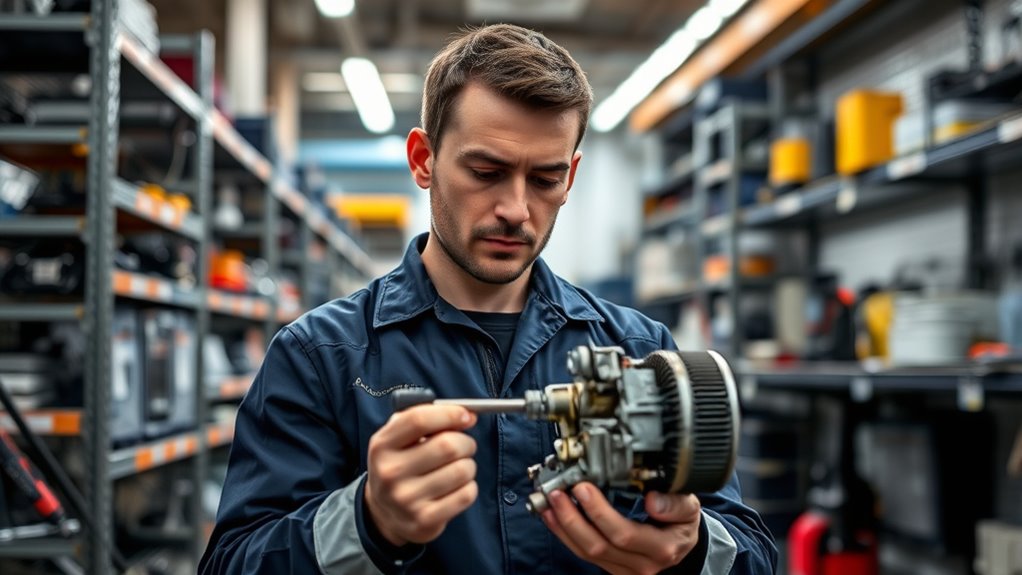
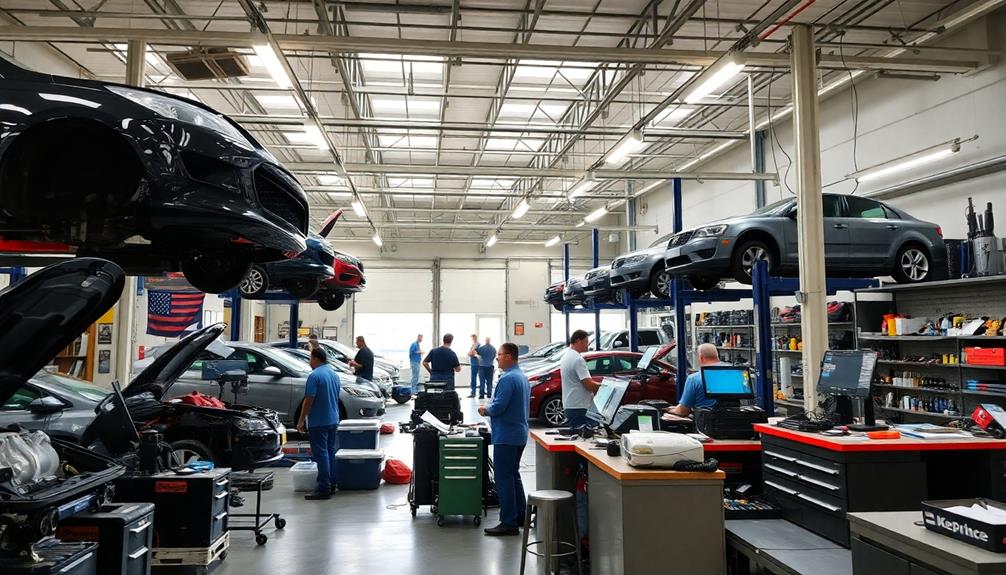
An R&R Technician plays an indispensable role in maintaining and repairing equipment to guarantee smooth operations. Your primary responsibility is to ensure machinery runs efficiently and safely, minimizing downtime and preventing costly failures. To do this effectively, you’ll need to follow detailed maintenance procedures that specify how equipment should be inspected, serviced, and repaired. These procedures are designed to help you identify issues early, perform routine tasks, and troubleshoot problems quickly. Staying organized and methodical in your approach to maintenance ensures that nothing gets overlooked and that equipment remains in prime condition.
As an R&R Technician, understanding and adhering to certification requirements is essential. Many companies and industries mandate specific certifications to verify your skills and knowledge. These certifications often include technical training programs, safety courses, and equipment-specific qualifications. For example, if you work in the manufacturing or aerospace sectors, you might need certifications like OSHA safety training, HVAC certification, or specialized machinery operation licenses. These credentials not only demonstrate your competence but also help you stay current with industry standards and safety protocols. Securing and maintaining the necessary certifications often involves ongoing education, periodic testing, or renewals to keep your skills sharp and your knowledge up to date.
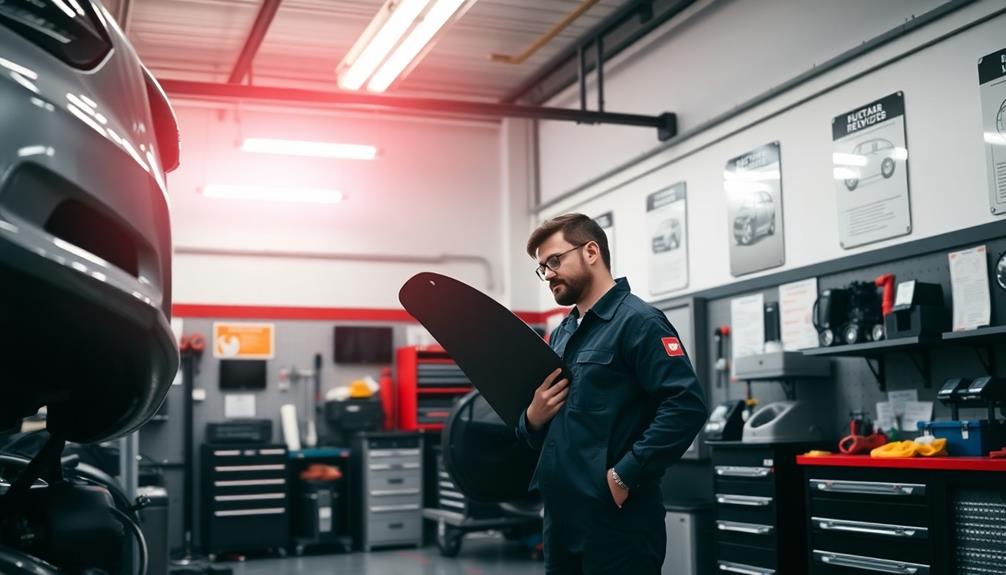
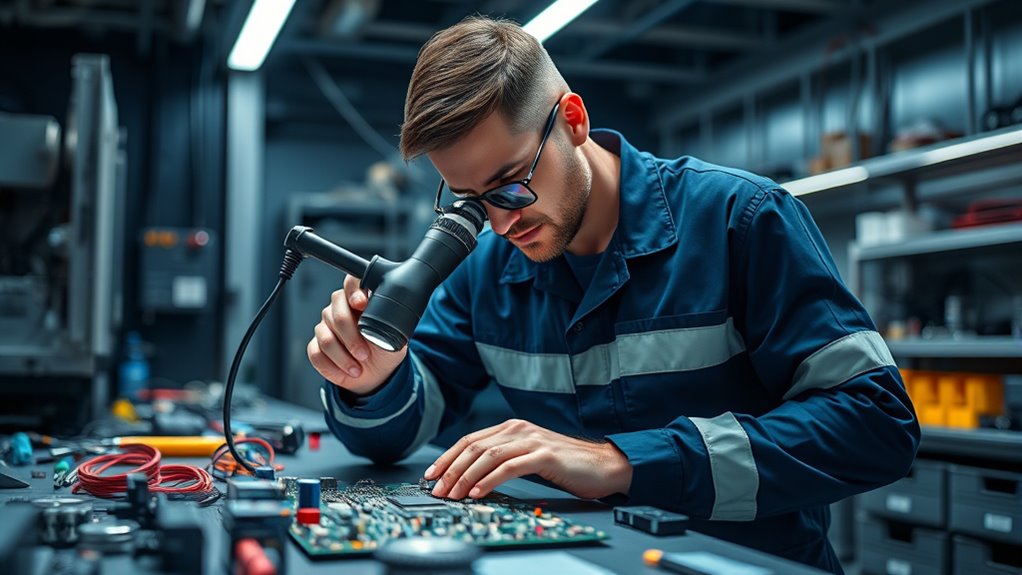
Your day-to-day tasks will revolve around executing maintenance procedures accurately and efficiently. You’ll perform routine inspections, replace worn parts, and recalibrate machinery to ensure everything functions correctly. When issues arise, your troubleshooting skills come into play—you’ll analyze symptoms, consult technical manuals, and apply your training to identify the root cause. Your ability to follow safety protocols, especially when working with high-voltage systems or hazardous materials, is indispensable to prevent accidents and injuries. Certifications often include safety modules, reinforcing the importance of handling equipment safely and responsibly. Additionally, staying informed about the latest technologies and industry standards can significantly enhance your effectiveness and safety on the job.
Perform routine inspections, troubleshoot issues, and follow safety protocols to ensure machinery operates efficiently and safely.
Moreover, as an R&R Technician, continuous learning is part of the job. Industry standards evolve, new technologies emerge, and maintenance techniques improve. Keeping your certifications current and staying informed about the latest trends helps you perform your duties at a high level. Whether it’s attending workshops, completing online courses, or participating in company training sessions, investing in your professional development will enhance your expertise and value. Ultimately, your skills in executing proper maintenance procedures, coupled with the right certifications, empower you to keep machinery running smoothly, ensuring the safety of yourself and your colleagues while supporting your organization’s operational goals.
Frequently Asked Questions
What Certifications Are Required to Become an R&R Technician?
To become an R&R technician, you need specific certification requirements, which often include industry-recognized certifications like OSHA safety training and specialized technical licenses. You should complete relevant training programs that cover electrical systems, safety protocols, and equipment handling. These certifications and training programs guarantee you’re qualified to perform repairs and replacements efficiently and safely, meeting industry standards and increasing your job prospects in this field.
How Much Does an R&R Technician Typically Earn Annually?
You can expect an R&R technician’s annual salary to range from $40,000 to $60,000, depending on experience and location. With strong job prospects, especially in industrial and manufacturing sectors, your earning potential grows as you gain skills. Imagine yourself troubleshooting complex equipment daily, earning a competitive wage, and enjoying steady work opportunities. This career offers a promising path for those interested in hands-on technical roles with solid financial rewards.
What Tools Are Essential for an R&R Technician’s Job?
You need a tools overview that includes basic hand tools like wrenches, screwdrivers, and pliers, along with power tools such as drills and impact drivers for efficiency. Safety equipment is vital; always wear gloves, safety glasses, and ear protection to stay protected. A flashlight, multimeter, and torque wrench are also essential for precise work and troubleshooting. Keeping these tools accessible ensures you perform repairs safely and effectively.
Are R&R Technicians Involved in Troubleshooting or Only Repairs?
You’re involved in both troubleshooting and repairs as an R&R technician. You perform diagnostic procedures to identify issues accurately, which helps you determine the best maintenance strategies. Your role isn’t limited to just fixing problems; you also analyze equipment to prevent future breakdowns. By combining troubleshooting skills with repair work, you guarantee machinery operates efficiently, minimizing downtime and maintaining peak performance through proactive maintenance and timely interventions.
What Industries Most Commonly Employ R&R Technicians?
You’ll find R&R technicians most commonly employed in industries like manufacturing, power generation, and telecommunications, where equipment maintenance is essential. An industry overview shows these roles are indispensable for ensuring operational efficiency. As a technician, you’ll handle repairs and troubleshooting, keeping systems running smoothly. These roles demand technical skills and quick problem-solving, making them necessary in sectors where uptime is critical. Your work directly impacts productivity and safety across these industries.
Conclusion
As you step into the role of an R&R technician, you become the steady hand guiding machinery back to life. Picture yourself in a bustling workshop, tools in hand, as sparks fly and parts come together under your watchful eye. Your skills breathe new energy into worn-out equipment, like a craftsman reviving a forgotten masterpiece. In this essential work, you’re not just fixing machines—you’re restoring the heartbeat of countless operations, ensuring everything runs smoothly once more.