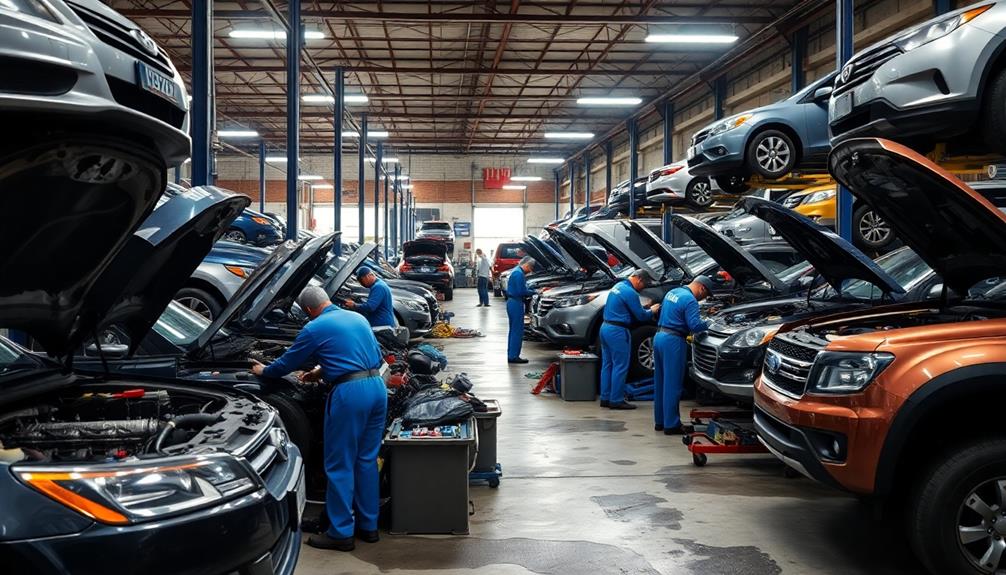

As a shop owner, you’re responsible for overseeing daily operations, managing your staff, controlling inventory, and ensuring your customers are satisfied. You need to keep your shop clean, handle finances, and follow legal regulations and safety standards. Marketing your business and responding promptly to customer concerns are crucial too. Staying organized and strategic helps your shop thrive and serve the community well. Keep exploring to discover more ways you can succeed as a shop owner.
Key Takeaways
- Hiring, training, and managing staff to ensure excellent customer service and smooth operations
- Monitoring inventory levels, ordering supplies, and managing stock to meet demand effectively
- Maintaining the shop’s appearance, cleanliness, and inviting environment for customers
- Ensuring compliance with legal regulations, health standards, and timely tax payments
- Overseeing daily finances, sales tracking, marketing efforts, and strategic planning for growth

Ever wondered what it takes to run a successful shop? As a shop owner, you wear many hats, and your responsibilities extend well beyond simply opening the doors each day. One of your primary duties is employee management. You need to hire staff who are motivated, reliable, and skilled, then train them effectively to deliver excellent customer service. Keeping your team motivated and organized is essential; this means scheduling shifts thoughtfully, providing ongoing feedback, and resolving conflicts swiftly. Your employees are the face of your business, so managing them well directly impacts your shop’s reputation and daily operations.
Alongside managing your team, inventory control plays a critical role. You have to keep a close eye on stock levels to ensure you have enough products to meet customer demand without overstocking. Proper inventory management involves tracking sales trends, predicting future needs, and ordering supplies timely. This avoids lost sales due to stockouts and prevents excess inventory that can tie up your cash flow. Implementing a good inventory system helps you streamline this process, reducing errors and saving you time. You’ll need to regularly audit your stock, identify slow-moving items, and decide when to discount or remove products. Effective inventory control keeps your shop running smoothly and maximizes profits.
Effective inventory control ensures smooth operations, reduces errors, and maximizes profits by tracking trends and managing stock proactively.
Running a shop also means handling the day-to-day operations efficiently. You’re responsible for maintaining the shop’s appearance, ensuring cleanliness, and creating an inviting environment for customers. You’ll need to manage finances, track sales, and stay within your budget, all while planning for future growth. Marketing your shop to attract new customers and retain existing ones is another key task. This might include local advertising, social media promotion, or loyalty programs. Customer service is always a priority, so resolving complaints promptly and courteously is essential to building a strong reputation.
Legal compliance is another fundamental responsibility. You must adhere to local regulations, obtain necessary permits, and follow health and safety standards. Paying taxes on time and keeping accurate records is essential to avoid penalties. Additionally, staying informed about industry trends and adjusting your strategies accordingly helps your shop stay competitive. For example, understanding seasonal trends and customer preferences can help you better plan your inventory and promotional efforts.
Ultimately, your role as a shop owner is to oversee every aspect of your business—employee management, inventory control, customer experience, finances, and compliance. It’s a demanding job, but with organization, dedication, and a clear plan, you can create a thriving shop that serves your community and provides a solid livelihood. Every day presents new challenges, but your proactive approach and commitment to excellence will determine your success. Managing water-related aspects such as maintaining a clean and inviting environment or incorporating aquatic themes can also enhance customer experience and attract more visitors.
Frequently Asked Questions
How Do Shop Owners Handle Employee Disputes?
When handling employee disputes, you should address employee conflicts promptly and fairly. Start by listening to each party’s perspective without bias, then facilitate a constructive dispute resolution process. Encourage open communication, set clear expectations, and find mutually acceptable solutions. Document the dispute and follow up to guarantee resolution. Your proactive approach helps maintain a positive work environment and prevents conflicts from escalating, fostering teamwork and productivity.
What Permits Are Required for Opening a Shop?
Opening your shop is like planting a seed—you need the right permits to guarantee it grows. You’ll need to secure business licensing to operate legally and check zoning compliance to guarantee your location is appropriate for your type of shop. These permits are essential steps; without them, your business might face fines or closure. Make sure to research local regulations and obtain all necessary documentation before opening your doors.
How Often Should Financial Audits Be Conducted?
You should conduct financial audits at least annually to guarantee accurate inventory management and maintain healthy supplier relationships. Regular audits help identify discrepancies, optimize stock levels, and prevent theft or fraud. By staying on top of your financial health, you can make informed decisions, improve cash flow, and strengthen your supplier ties. Don’t wait too long; consistent audits keep your shop running smoothly and support long-term success.
What Marketing Strategies Are Most Effective for Retail Shops?
Think of marketing strategies as your shop’s secret weapon. You should focus on strong retail branding that makes your store memorable and authentic. Launch targeted promotional campaigns to attract new customers and keep existing ones engaged. Social media, local events, and loyalty programs are especially effective. By consistently showcasing your brand’s personality and value, you’ll turn passersby into loyal customers, ensuring your shop stays top of mind.
How Do Shop Owners Ensure Customer Data Privacy?
You guarantee customer data privacy by implementing strong data protection measures, like secure servers and encryption. Prioritize customer confidentiality by limiting access to sensitive information and training staff on privacy policies. Regularly update your security protocols and conduct audits to identify vulnerabilities. Clearly communicate your privacy practices to customers, building trust. By actively safeguarding data, you show your commitment to protecting their information, which encourages loyalty and confidence in your shop.
Conclusion
As a shop owner, you’re responsible for ensuring a safe, welcoming environment and managing daily operations effectively. Remember, nearly 60% of small businesses face compliance issues, so staying informed helps you avoid costly penalties. By actively overseeing your shop, providing excellent customer service, and keeping up with regulations, you create a thriving business. Your dedication directly impacts your success—so stay proactive, and watch your shop flourish!