
When using a loaner car, make sure you understand the rental agreement, including restrictions on mileage and geographic limits, and confirm your insurance coverage beforehand. Always return the vehicle in good condition and follow all rules set by the provider. Being aware of liability and any exclusions helps prevent unexpected costs. If you want to learn more about how to stay protected and avoid surprises, explore the key policies in detail.
Key Takeaways
- Review and understand the rental agreement, including restrictions on mileage, geographic area, and authorized drivers.
- Ensure all drivers are approved and familiarize yourself with vehicle return requirements.
- Check if your personal auto insurance covers loaner cars and understand any gaps or additional coverage options.
- Be aware of policy exclusions such as driving outside designated areas or under the influence, which may void coverage.
- Follow best practices by confirming insurance, adhering to terms, and returning the vehicle in good condition for a smooth experience.

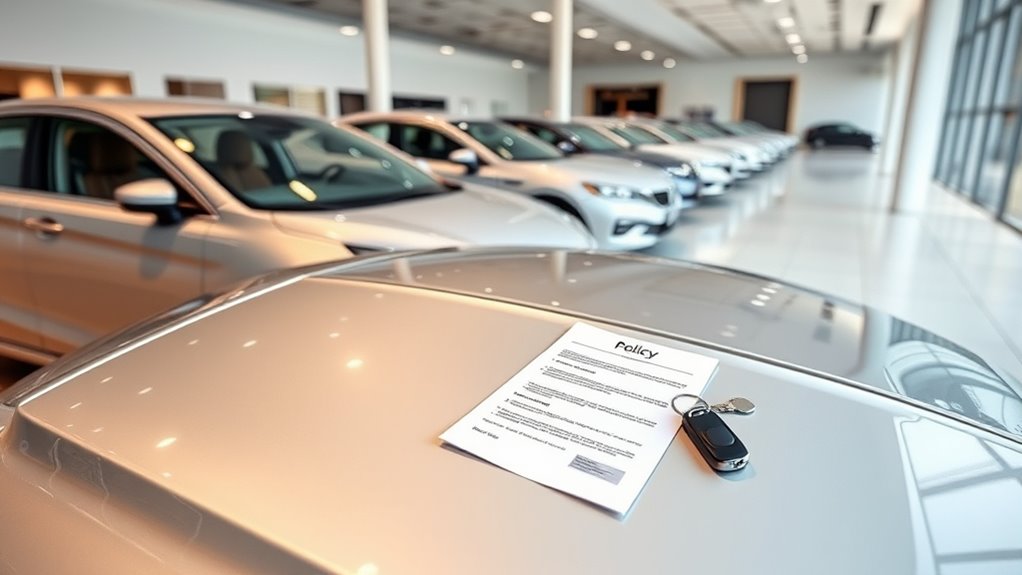
Have you ever wondered what to expect when your car needs repairs and a loaner vehicle is offered? Usually, the dealership or repair shop provides a rental agreement that clearly outlines the terms of using the loaner car. This agreement spells out your responsibilities, such as returning the vehicle in the same condition and within the specified timeframe. It’s essential to read the agreement carefully before signing, so you understand any restrictions on mileage, geographic limits, or additional fees. Many rental agreements also specify who is authorized to drive the loaner, often requiring all drivers to be listed and approved beforehand. Knowing these details helps you avoid surprises later on and ensures you stay compliant with the policy.
Insurance coverage plays a critical role when using a loaner car. Before you drive off, check whether your personal auto insurance extends coverage to a rental or loaner vehicle. Some policies automatically include coverage, meaning your existing liability, collision, or comprehensive insurance will protect you in case of an accident. If your personal policy doesn’t provide coverage, the dealership or rental agency might offer their own insurance options at an additional cost. It’s wise to think about these options carefully, especially if you’re unfamiliar with the vehicle or plan to drive extensively. Remember, even if your insurance covers the loaner, you should understand what is covered and what isn’t, to avoid unexpected expenses.
Additionally, some insurance policies come with exclusions or limitations when it comes to rental or loaner vehicles. For example, certain policies might not cover damages if you’re driving outside designated areas or under the influence. It’s your responsibility to verify these details before hitting the road. If you’re unsure about your coverage, contact your insurance provider to clarify what’s included and whether you need to purchase additional protection from the dealership or rental agency. Doing so can save you money and hassle if an incident occurs. Understanding insurance coverage**** can help prevent costly surprises and ensure you are fully protected.
In essence, understanding the rental agreements and insurance coverage associated with loaner cars ensures you’re protected and aware of your responsibilities. Always review the rental agreement thoroughly and confirm your insurance coverage before driving the vehicle. This proactive approach keeps your experience smooth, minimizes potential financial risks, and helps you focus on the purpose of the loaner — getting back on the road while your car is being repaired. Being informed makes the process straightforward and stress-free, giving you peace of mind during what can sometimes be a stressful situation.
Frequently Asked Questions
Are Loaner Cars Available After Hours or on Weekends?
Yes, you can access loaner cars after hours and on weekends. Our after hours availability allows you to pick up or drop off a loaner car outside regular business hours, making it convenient for your schedule. Weekend loaner access is also available, so you won’t have to wait until the next business day. Just contact us in advance to arrange the details, and we’ll guarantee a smooth process.
Can I Extend the Loaner Period if Repairs Take Longer?
Yes, you can request a loaner extension if repairs take longer than expected. Simply inform the service department about the repair duration, and they’ll review your case. They aim to accommodate your needs, so if your repair extends, they’ll typically approve an extension of the loaner period. Just keep in mind that extensions depend on availability and policy, but communication is key to ensuring you get the extra time you need.
Is There a Mileage Limit on Loaner Cars?
Think of a loaner car as your temporary ride on a well-traveled road. Yes, there’s typically a mileage limit, like a speed bump to keep things in check. Be aware of mileage restrictions and insurance coverage to avoid surprises. If you exceed the limit, you might face extra charges. Always check the specific policies, so your journey stays smooth and worry-free.
Are There Any Restrictions on Who Can Drive the Loaner Vehicle?
You can drive the loaner car if you meet the driver age restrictions, usually at least 21 or 25, depending on the policy. Also, you need to satisfy insurance requirements, meaning you must have valid coverage or purchase the offered insurance. Make sure your driver’s license is valid and that you’re authorized to operate the vehicle. Restrictions generally apply to non-authorized drivers, so always check with your provider first.
Do I Need to Pay a Deposit for the Loaner Car?
Think of a deposit requirement like a safety net—it’s there to protect both you and the company. Usually, you’ll need to pay a deposit for the loaner car, which covers potential damages. Your insurance coverage often helps cut down this deposit. If something unexpected happens, this deposit ensures repairs are covered without hassle. Be sure to check with your provider for specific deposit requirements and how your insurance applies.
Conclusion
By understanding the policies, respecting the guidelines, and caring for the loaner cars, you guarantee smooth service, maintain vehicle quality, and foster trust. Following rules, communicating clearly, and handling vehicles responsibly create a seamless experience for you and the service team. Embrace responsibility, practice honesty, and show respect—these habits safeguard your access, uphold standards, and keep the process efficient. In doing so, you contribute to a system built on trust, accountability, and mutual respect.