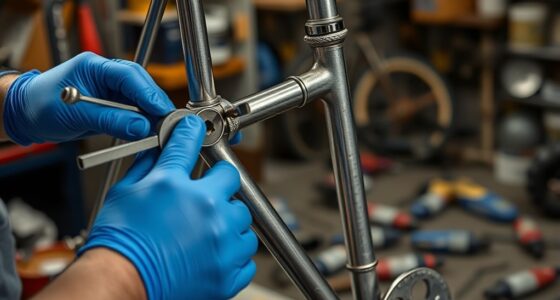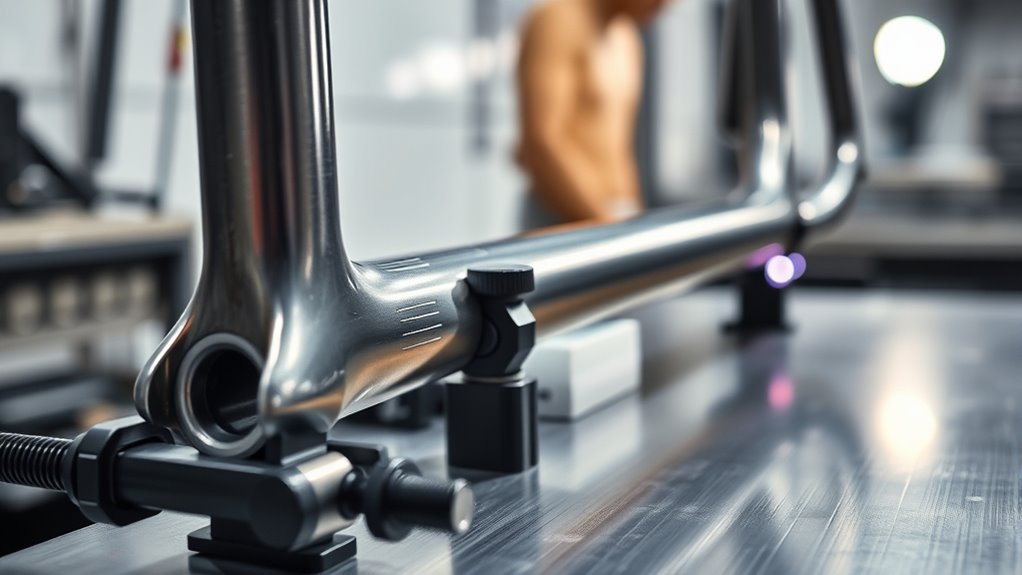

Frame straightening involves evaluating the damage, checking for misalignment, and using specialized equipment like frame machines and hydraulic tools to correct bends or twists. You’ll perform precise measurements and test fits to guarantee your vehicle’s structure returns to factory specifications. This process restores safety, handling, and appearance. If you want to understand the detailed steps and techniques involved, there’s more to discover about proper frame straightening methods.

Get business pricing on garage and car supplies
- Business-only prices and quantity discounts
- Tax-exempt purchasing
- Multiple users, one account, clear invoices
Key Takeaways
- Frame straightening begins with a thorough front-end assessment to identify misalignments and structural damage.
- Specialized equipment like frame machines and computerized systems are used for precise measurements.
- Hydraulic tools gently pull and push the frame to restore it to manufacturer specifications.
- Post-repair checks include suspension alignment to ensure proper handling and safety.
- The goal is to restore the vehicle’s structural integrity, safety, and original appearance.
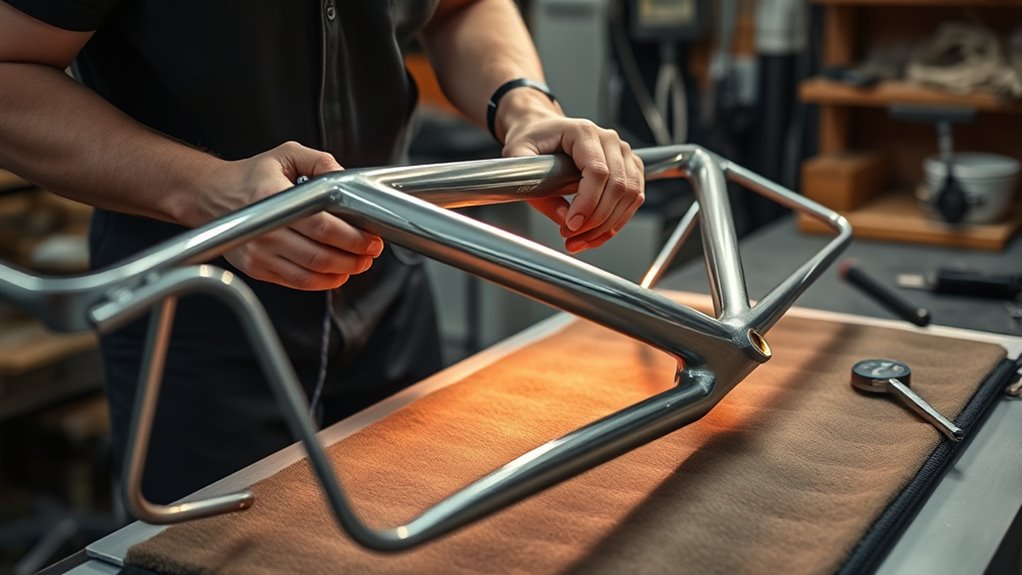
Have you ever wondered how auto body shops restore a damaged vehicle’s frame to its original condition? It all begins with a thorough understanding of the frame’s integrity and the tools used to bring it back into proper alignment. When your vehicle sustains a collision, the frame often suffers distortions that can compromise safety, handling, and even the longevity of the car. That’s where frame straightening comes into play, and it starts with an accurate front end assessment. During this initial step, technicians inspect the vehicle to identify all areas of misalignment, including the front end, which often bears the brunt of impact. They’ll check for bent or twisted components, and this assessment guides the entire repair process.
Once the front end assessment is complete, technicians typically move on to alignment repair. This is a vital phase because even slight deviations in the frame can lead to uneven tire wear, steering issues, and decreased safety. Alignment repair involves precise measurements and adjustments to make sure your vehicle’s frame matches the manufacturer’s specifications. Specialized equipment, such as frame machines and computerized measurement systems, helps technicians detect even the tiniest deviations. They’ll use hydraulic arms and clamps to gently pull and push the frame back into its proper position, restoring structural integrity. This process isn’t just about cosmetic correction; it’s about making sure your vehicle performs safely and reliably on the road.
Throughout the frame straightening process, the focus remains on accuracy. The repair technicians rely on detailed data from the front end assessment to determine the exact points needing correction. They may also perform a series of test fits and measurements to confirm that the frame is returning to its original specifications. Once the frame is straightened, they will often perform additional alignment repairs on suspension components, ensuring everything aligns perfectly for proper handling. This step is vital because misaligned suspension parts can cause uneven tire wear and compromise vehicle safety.
In the end, the goal is to return your vehicle to its pre-accident condition, providing you peace of mind in safety and performance. Frame straightening is a meticulous process that combines careful assessment, precise measurements, and skilled adjustments. When done correctly, it restores not only the vehicle’s appearance but also its structural strength. Proper frame alignment ensures lasting safety and performance, making the repair process even more critical. So, next time you’re involved in a collision, trust in the importance of a thorough front end assessment and dedicated alignment repair to get your vehicle back on the road safely and smoothly.
auto body frame straightening machine
As an affiliate, we earn on qualifying purchases.
As an affiliate, we earn on qualifying purchases.
Frequently Asked Questions
How Long Does Frame Straightening Typically Take?
Frame straightening usually takes about 1 to 3 days, depending on the extent of the damage. You’ll want to get a vehicle alignment afterward to verify proper handling. The repair timeline can vary based on the severity of the collision and the shop’s workload. It’s best to consult with your repair specialist, as they can give you a more accurate estimate based on your specific vehicle and damage.
Is Frame Straightening Covered by Insurance?
Think of your car’s frame as the backbone of your vehicle’s story. Insurance coverage often helps you through the repair costs, but it’s not a guarantee. You need to check with your provider to see if frame straightening is included, as coverage varies. Some policies cover it fully, while others require you to pay out-of-pocket. Always review your policy to understand what’s protected and what isn’t.
Can a Bent Frame Be Repaired Without Replacement?
Yes, a bent frame can often be repaired without replacement through professional frame alignment. Skilled technicians use specialized tools to straighten the frame carefully, restoring its structural integrity. This process guarantees your vehicle remains safe and aligned properly, preventing further damage. Keep in mind that severe damage might still require part replacement, but minor to moderate bends are usually fixable, saving you time and money while maintaining your vehicle’s safety and performance.
What Are Signs My Vehicle Needs Frame Straightening?
You’ll notice your vehicle pulling to one side, uneven tire wear, or a crooked steering wheel, which signals the need for frame straightening. These signs indicate a damage assessment is necessary to identify underlying issues. Ignoring them can lead to safety concerns, compromising your vehicle’s integrity and your safety. Stay alert for visible dents, misaligned doors, or unusual vibrations—they all point to potential frame damage needing professional attention.
How Much Does Professional Frame Straightening Cost?
Professional frame straightening typically costs between $600 and $2,500, depending on the severity of the damage and your chosen service options. Cost considerations include the type of equipment used, the extent of the repairs, and whether parts need replacement. It’s wise to get multiple estimates and ask about different service options to find the best balance of quality and affordability for your vehicle’s needs.
Conclusion
Think of your car’s frame like a finely crafted violin. When it’s bent out of shape, the music — or in this case, your ride — suffers. Frame straightening is the skilled luthier’s touch, carefully restoring harmony and integrity. With proper care, you’ll bring your vehicle back to its original symphony of strength and performance, ensuring it plays smoothly for miles to come. Trust the process, and your car will continue to hit all the right notes.
Fall Picks
fall essentials
As an affiliate, we earn on qualifying purchases.