
TL;DR

Get garage and car supplies delivered free — and shop member deals
- Fast, free delivery on millions of items
- Access to Prime Big Deal Days deals on October 6–7
- Prime Video, Amazon Music and more included
Cycling Weekly reports that electric pumps may damage some TPU inner tubes not by melting the tube film, but by heating and deforming the bond between the plastic tube and metal valve. Experts recommend using a hose or valve extender, or inflating in short bursts with pauses; manufacturers are also developing metal-valve designs.
Electric bike pumps may damage some TPU inner tubes by heating the small joint that connects the tube to its valve, according to a Cycling Weekly report based on interviews with Aeron’s Christian Thill and tyre expert Jan Heine. The explanation matters to riders who carry lightweight TPU tubes as spares: a failed valve connection can leave a tube unusable, even if the TPU film itself has not melted.
The report describes accounts of TPU tube failures during use of electric pumps, which generate heat as their high-speed compressors force air into a small space. Their compact housings also have limited area for releasing heat. Cycling Weekly’s account says that heat can travel toward the valve stem, where the tube material meets the valve assembly.
Heine said the concern is differential thermal expansion: heat can place stress on the bond between the metal valve core and TPU. Thill said that joining TPU to the valve is a complicated manufacturing process and is not foolproof. The experts’ explanation is that the connection may deform or fail under thermal stress; the supplied report does not establish that every TPU tube or electric pump will experience this problem.
For prevention, Aeron and Rene Herse recommend using a flexible hose extender, which can keep the pump away from the valve and help manage heat. Heine also suggests inflating in 20 psi bursts, then waiting a minute before continuing. The report notes that some electric pumps come with screw-on rubberised hoses, while an aluminium valve extender may serve as an alternative.
How Valve Failures Can Leave Riders Stranded
TPU tubes are used by riders seeking a lightweight alternative to butyl tubes, including as emergency replacements. If the valve joint fails during inflation, a spare tube may not be usable when a rider needs it. The report therefore points to a practical compatibility concern between some tubes and electric pumps, rather than a blanket warning against either product.
The advice also gives riders steps they can take without replacing their equipment: use a hose or extender where possible, and pause between inflation bursts. The source does not provide a failure rate or comparative test results, so it cannot show how commonly the damage occurs or which pump-and-tube combinations carry the greatest risk.
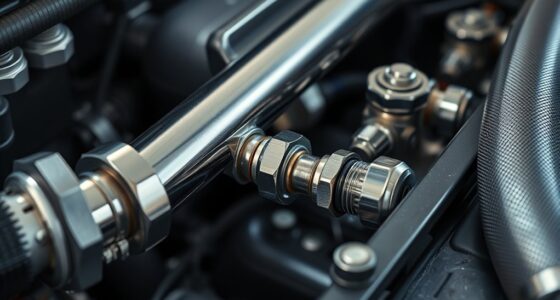
TPU inner tube with metal valve extender
As an affiliate, we earn on qualifying purchases.
As an affiliate, we earn on qualifying purchases.
Why TPU Valves Differ From Butyl
The report contrasts the way TPU tubes connect to their valves with traditional butyl tubes. Heine told Cycling Weekly that butyl and TPU have different material properties, but said the relevant issue is how heat moves through combined materials and affects their joint. He gave approximate melting points of 150 degrees for butyl and 180 degrees for TPU; the report does not specify a testing method or conditions for those figures.
Heine said butyl rubber can be bonded to metal through vulcanisation, while connecting TPU and metal requires a different approach. He and Thill said plastic valve components may be easier to bond to TPU and can support a lower-weight design. Their comments explain possible design considerations, not the decision-making behind every manufacturer’s products.
Some brands are working on alternatives. Heine said Rene Herse uses a metal stem that traps TPU between the valve and a ring, using a supplier’s patented technology. Thill said Aeron offers metal stems on most of its tubes while retaining plastic stems for its ultra-light models. He said the manufacturing process required new patents to make the TPU-to-metal connection.
“Differential thermal expansion can cause the glue bond to break between the metal valve core and the TPU material.”
— Jan Heine, tyre expert and Rene Herse owner, speaking to Cycling Weekly
How Often Valve Damage Occurs
The source describes reports of failures and expert explanations, but it does not provide a failure rate, controlled test data, or a list of affected products. It is also unclear how much risk varies by pump model, inflation time, starting pressure, or tube and valve design. The account does not establish that the TPU film or every valve joint fails during normal use.
Thill and Heine’s comments identify a plausible heat-related mechanism, but the supplied material does not include independent laboratory measurements of valve temperatures or bond strength. Riders should treat the advice as precautionary guidance rather than evidence that all electric pumps are incompatible with TPU tubes.
Manufacturers Test New Valve Designs
Aeron and Rene Herse have moved toward metal-stem designs for at least some TPU tubes, according to the report. Whether those designs become more common will depend partly on manufacturing methods and the trade-offs among weight, cost, and durability. The source gives no release schedule or wider industry adoption figures.
For riders now, the immediate steps described by the experts are to use a hose or valve extender and to inflate in short bursts with pauses. Further testing across different pumps and tube models would be needed to establish how widespread the issue is and whether particular combinations are more vulnerable.
Key Questions
Are electric pumps melting TPU inner tubes?
The Cycling Weekly report says the suspected problem is not the TPU film melting. Experts interviewed for the report said heat may deform the bond between the tube and valve.
How can I reduce the risk when inflating a TPU tube?
The experts recommend using a flexible hose or valve extender. If one is unavailable, Jan Heine suggests inflating in 20 psi bursts and waiting a minute between bursts.
Does this affect every TPU tube and electric pump?
The supplied report does not establish that. It gives no failure rate or list of affected pump-and-tube combinations, so the risk for a specific setup remains unclear.
Are manufacturers changing TPU valve designs?
Yes, according to the report. Rene Herse uses a metal-stem design that traps TPU between the valve and a ring, while Aeron offers metal stems for most of its tubes and plastic stems for its ultra-light models.
Source: rss
Halloween Picks
halloween
As an affiliate, we earn on qualifying purchases.