Ultrasonic cleaning in automotive is a powerful way to remove dirt, grease, and oil residues from various parts like engine components and brake systems. It uses high-frequency sound waves to generate tiny bubbles that penetrate hard-to-reach areas for thorough cleaning. This method improves vehicle safety, enhances engine performance, and extends the life of parts—all while using fewer harsh chemicals. Keep exploring to discover more about how ultrasonic cleaning can benefit your vehicle maintenance.
Key Takeaways
- Ultrasonic cleaning effectively removes dirt, grease, and grime from automotive parts, including engine components and brake systems.
- It dislodges stubborn oil residues and contaminants without damaging delicate surfaces, improving engine efficiency and safety.
- The process reaches into hard-to-access areas, ensuring thorough cleaning of intricate parts like valves and brake calipers.
- Ultrasonic cleaning is environmentally friendly, using fewer chemicals and reducing waste compared to traditional cleaning methods.
- It enhances vehicle maintenance by improving part longevity, reducing repair downtime, and supporting optimal performance.
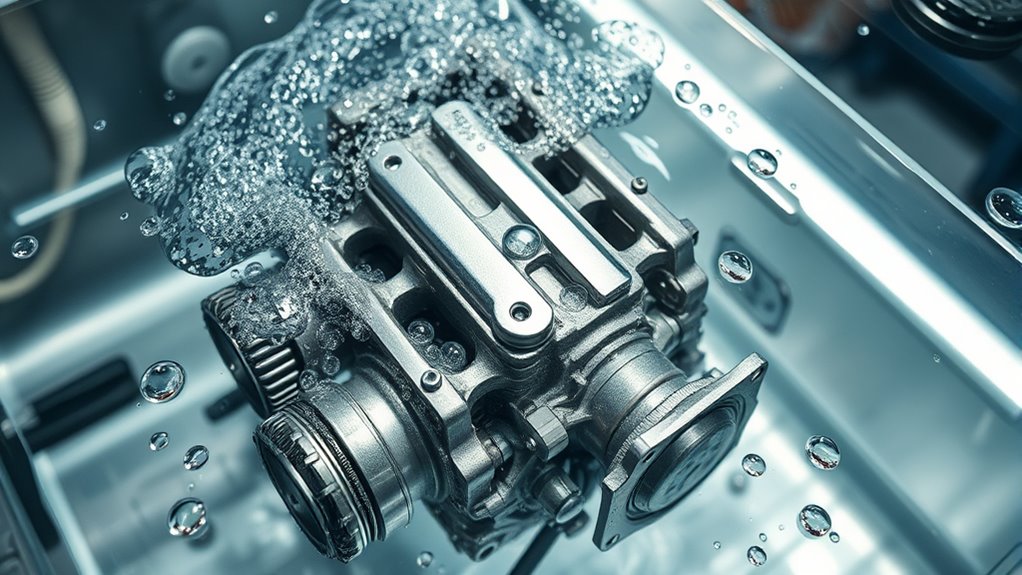
Ultrasonic cleaning has become an essential tool in the automotive industry, offering a highly effective way to remove dirt, grease, and grime from complex parts. When working on engines and brake systems, cleanliness is critical for performance and safety. Ultrasonic cleaners use high-frequency sound waves to generate microscopic bubbles in a cleaning solution, which collapse and produce a gentle yet powerful scrubbing action. This technique penetrates even the most hard-to-reach areas, ensuring thorough cleaning of components that traditional methods might miss.
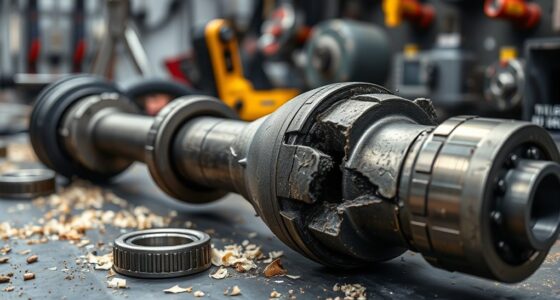
If you’re dealing with engine oil residues, ultrasonic cleaning can make a noticeable difference. Over time, engine parts accumulate stubborn deposits that can impair function or lead to wear. Using ultrasonic technology, you can dislodge and remove these residues without damaging delicate surfaces. It’s especially useful for cleaning engine blocks, valves, and other intricate parts where oil buildup tends to hide. The process not only improves the longevity of engine components but also enhances overall engine efficiency by restoring parts to a near-new state. Additionally, Kia Tuning often benefits from thorough cleaning to maximize performance upgrades.
Similarly, brake components benefit immensely from ultrasonic cleaning. Brake calipers, rotors, and pads often gather brake dust, grease, and road grime that can compromise braking performance. Ultrasonic cleaning effectively lifts these contaminants, ensuring better contact between brake pads and rotors, which translates to improved safety and responsiveness. Because ultrasonic cleaning reaches into small crevices and tight spaces, it cleans areas that manual scrubbing or chemical cleaning might miss. This results in a more thorough removal of brake dust and grease, reducing the risk of brake squeal or uneven wear.
You’ll find that ultrasonic cleaning is not only more efficient but also more environmentally friendly. Since it uses less harsher chemicals compared to traditional cleaning methods, it reduces chemical waste and exposure. Plus, the process is quick, often taking just a few minutes to clean even the most contaminated parts thoroughly. This means less downtime for repairs or maintenance and quicker turnaround times.
In practice, you’ll want to ensure you’re using the right cleaning solution compatible with your parts. For engine components and brake systems, specialized ultrasonic cleaning solutions are available that break down oil and grease effectively without damaging sensitive metals or plastics. When you start using ultrasonic cleaning for these parts, you’ll notice a significant boost in cleaning quality, helping your vehicles perform better, last longer, and operate more safely.
Frequently Asked Questions
Can Ultrasonic Cleaning Remove All Types of Automotive Grease?
Ultrasonic cleaning effectively removes many types of grease, especially light to moderate grease buildup. However, it may struggle with very thick, stubborn, or baked-on grease. For complete grease removal, combine ultrasonic cleaning with other grease removal techniques like degreasers or manual scrubbing. This way, you guarantee all types of grease are thoroughly cleaned, especially those resistant to ultrasonic action, giving you a cleaner, more efficient automotive component.
Is Ultrasonic Cleaning Safe for Delicate Car Electronic Components?
Yes, ultrasonic cleaning is safe for delicate electronic components if you follow proper cleaning safety procedures. You must use the right cleaning solution and avoid excessive exposure to prevent damage. When done correctly, ultrasonic cleaning gently removes dirt and grime without harming sensitive parts, making it an effective method for maintaining electronic components. Always confirm the components are fully dry before reassembly to prevent any moisture-related issues.
How Often Should Automotive Parts Be Ultrasonic Cleaned?
You should ultrasonic clean your automotive parts every six to twelve months, unless you’re secretly trying to turn your engine into a glittering relic. Stick to a consistent maintenance schedule to keep parts pristine and avoid costly repairs. Overdoing it might be unnecessary, but neglecting cleaning can lead to buildup and performance issues. So, set a regular cleaning frequency—your car’s health depends on it, not on your patience for dirt.
Are There Specific Detergents Recommended for Automotive Ultrasonic Cleaning?
Yes, there are specific detergents recommended for automotive ultrasonic cleaning. You should choose detergents that are compatible with the materials you’re cleaning, ensuring they don’t cause corrosion or damage. Look for cleaning solutions formulated for ultrasonic use, as they enhance cleaning effectiveness by reaching tiny crevices. Always follow the manufacturer’s instructions for detergent compatibility and dilution ratios to achieve ideal results without harming your parts.
What Are the Environmental Impacts of Ultrasonic Automotive Cleaning?
You should consider the environmental concerns associated with ultrasonic automotive cleaning, such as waste management of used cleaning solutions and debris. Proper disposal is essential to prevent contamination of soil and water. Using environmentally friendly detergents and ensuring waste is filtered and disposed of responsibly minimizes your impact. By adopting sustainable practices, you help reduce pollution and support eco-friendly automotive maintenance.
Conclusion
Don’t worry about the cost—ultrasonic cleaning saves you money in the long run by extending your vehicle’s lifespan and reducing repairs. It’s quick, effective, and eco-friendly, making it a smart choice for maintaining your car’s components. If you think it’s complicated, remember that professional services handle the process easily. Give ultrasonic cleaning a try, and see how it keeps your automotive parts in top shape without hassle or high expenses.