
Understanding emissions warranties helps you know what repairs are covered if your vehicle’s emissions system has problems. These warranties typically last at least 8 years or 80,000 miles and include parts like catalytic converters and sensors. Regular emissions testing detects issues early, ensuring your vehicle stays compliant and environmentally friendly. Proper maintenance and prompt repairs are key. If you keep exploring, you’ll find more tips on how to make the most of your vehicle’s emissions coverage.
Key Takeaways
- Emissions warranties cover repairs for emissions control system defects to ensure compliance and environmental safety.
- They typically last at least 8 years or 80,000 miles, covering parts like catalytic converters and oxygen sensors.
- Regular emissions testing helps identify problems that may be covered under warranty.
- Repairs must be performed at authorized service centers, with proper documentation to support warranty claims.
- Damage caused by accidents, neglect, or modifications is generally not covered under emissions warranties.

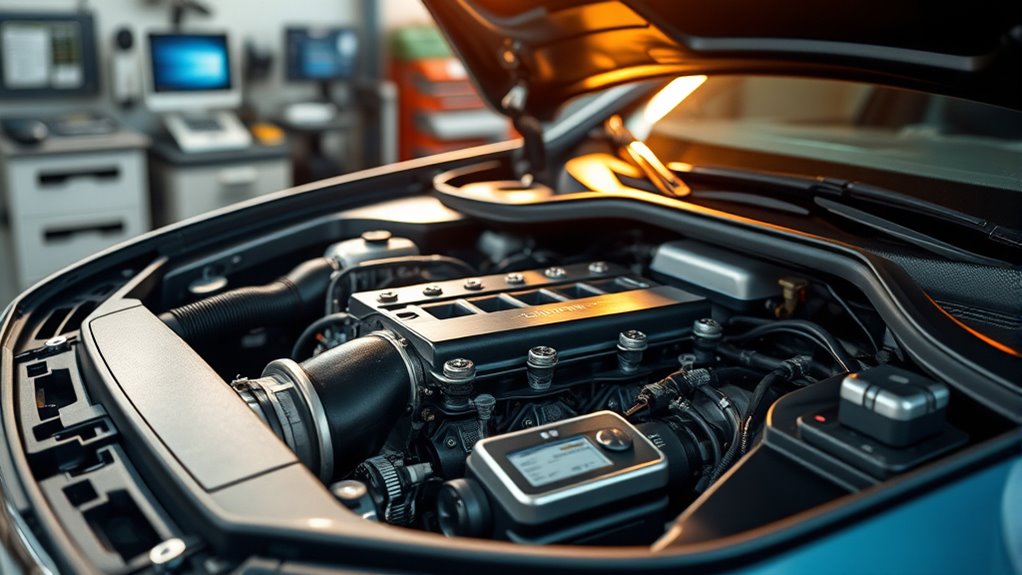
Understanding emissions warranties can seem complicated, but knowing how they work is essential if you want to protect your vehicle and your investment. These warranties are designed to cover repairs related to emissions control systems, which are vital for keeping your car environmentally friendly and compliant with state regulations. To benefit from this coverage, you first need to understand the role of emissions testing. Regular emissions testing is typically required to ensure your vehicle meets environmental standards. When your vehicle undergoes emissions testing, it’s checked for issues like faulty sensors or damaged catalytic converters that might cause excess pollution. If your vehicle fails an emissions test, this could signal a problem that’s covered under your emissions warranty.
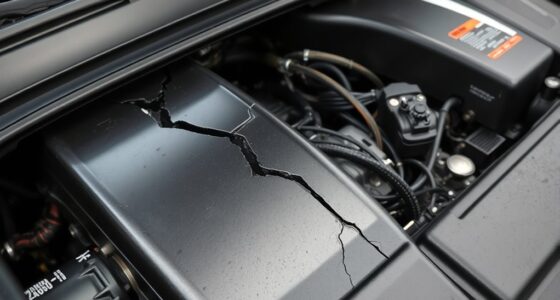
Warranty coverage for emissions components varies depending on your vehicle’s make, model, and age. Generally, new cars come with a federal emissions warranty that lasts for at least eight years or 80,000 miles, whichever comes first. This coverage usually includes parts like the catalytic converter, oxygen sensors, and the engine control module, which are critical for emissions control. If these parts fail or malfunction due to defects, your manufacturer is responsible for repairs at no cost to you. It’s important to note that the warranty typically doesn’t cover damage caused by accidents, neglect, or modifications that aren’t approved by the manufacturer.
Federal emissions warranties typically last 8 years or 80,000 miles, covering critical parts like catalytic converters and sensors.
Understanding the details of your emissions warranty also means knowing the process for filing a claim. If you suspect an issue, you should take your vehicle to an authorized service center for inspection. During this visit, technicians will diagnose the problem—often through emissions testing—and determine if it’s covered under warranty. If it is, they’ll perform the necessary repairs or replacements at no expense to you. Remember that keeping detailed maintenance records can help support your claim if an issue arises. Regular maintenance ensures your emissions system remains in good condition and reduces the chances of unexpected failures.
Additionally, being aware of how high-quality components and proper calibration can influence your vehicle’s emissions performance is beneficial for long-term reliability. Staying informed about recall notices and service bulletins related to emissions can save you time and money. Manufacturers sometimes issue recalls for specific components that might cause emissions failures, and these are usually covered under warranty. By understanding how emissions testing, warranty coverage, and proper maintenance work together, you can ensure your vehicle remains compliant, saves you money on repairs, and extends the lifespan of your car’s emissions control system. Ultimately, being proactive about emissions warranties helps protect your investment and contributes to a cleaner environment.
Frequently Asked Questions
How Do Emissions Warranties Differ Between States?
State regulations influence how emissions warranties differ across states. You’ll find that warranty coverage varies, with some states requiring longer periods or broader coverage to meet local rules. For example, California has strict standards, offering more thorough warranties to ensure compliance. In contrast, other states might have less stringent regulations, resulting in shorter or less detailed warranty coverage. Always check your state’s specific regulations to understand your emissions warranty rights fully.
Can Emissions Warranties Be Transferred to New Owners?
Think of emissions warranties as a gift that can sometimes be passed on. Yes, warranty transferability often depends on state laws and manufacturer policies. To transfer it, you’ll typically need proper ownership documentation showing the new owner’s details. Make sure to verify the specific warranty terms, as some warranties are non-transferable. Confirming these details ensures the new owner can enjoy the warranty’s protection without any hiccups.
What Documentation Is Needed to Claim an Emissions Warranty?
To claim your emissions warranty, you need to gather documentation like proof of emission testing and your vehicle’s maintenance records. Verify your vehicle is within the warranty coverage period. Take your vehicle to an authorized service center for inspection and repairs. The service center will then provide documentation confirming the emission testing and any repairs performed, which you should keep for your records and future claims.
Are Emissions Warranties Affected by Aftermarket Modifications?
Did you know that over 30% of vehicles with aftermarket modifications face warranty exclusions? When you make aftermarket modifications, your emissions warranties could be affected because many warranties exclude issues caused by non-compliant parts or alterations. These modifications often void coverage if they interfere with emissions control systems. Always check your vehicle’s warranty terms before customizing, as warranty exclusions can leave you responsible for repair costs related to emissions system failures.
How Long Do Emissions Warranties Typically Last?
You usually get emissions warranties lasting around 2 to 8 years or between 24,000 and 80,000 miles, depending on your vehicle and state laws. These warranties ensure your vehicle meets emission standards and covers repairs if emissions-related parts fail. Keep in mind, aftermarket modifications can sometimes void warranty coverage, so it’s essential to adhere to manufacturer guidelines to maintain your emissions warranty and stay compliant with emission standards.
Conclusion
Just as Athena’s wisdom guides you through complex challenges, understanding emissions warranties empowers you to make informed decisions and protect your investment. By knowing what’s covered and for how long, you’re better equipped to navigate potential issues and ensure your vehicle remains compliant. Remember, clear knowledge is your shield—like the wise hero’s armor—so stay vigilant and proactive, and you’ll master the art of emissions warranties with confidence and clarity.