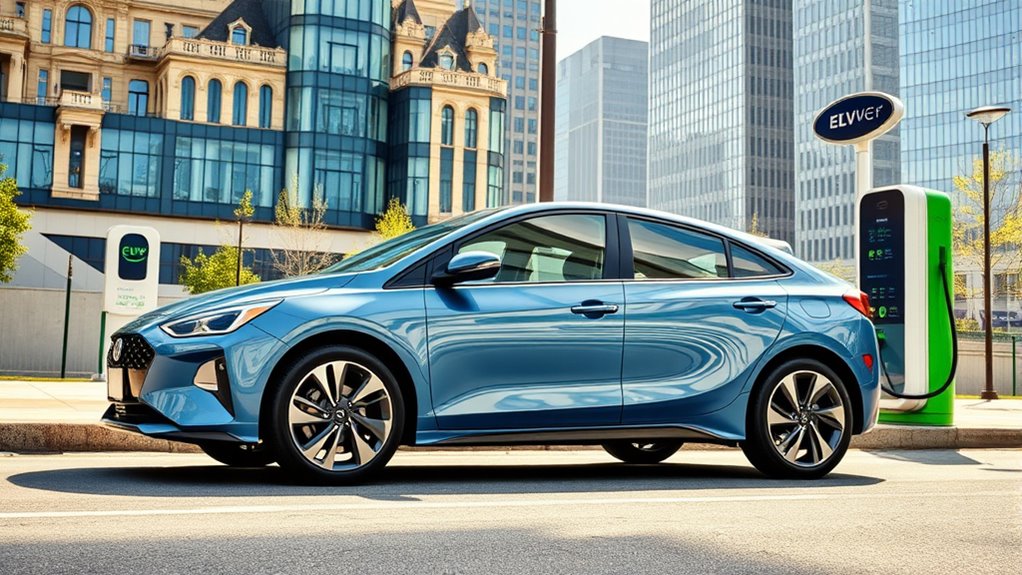

Understanding hybrid and EV warranty basics helps you protect your investment by clarifying which parts are covered, how long the protection lasts, and the importance of proper maintenance. Typically, batteries are covered for about 8 years or 100,000 miles, but details vary by manufacturer. Routine upkeep and following manufacturer guidelines are essential to keep your warranty valid. Stick with us to get a clearer picture of how to maximize your warranty coverage and ensure peace of mind.
Key Takeaways
- Battery warranties typically last 8 years or 100,000 miles but vary by manufacturer.
- Warranty coverage usually includes manufacturing defects and abnormal failures, not normal battery degradation.
- Maintenance, such as proper charging and temperature management, is often required to keep warranty valid.
- Warranties may also cover powertrain components and related systems, with specific terms and exclusions.
- Understanding warranty details helps prevent surprises and ensures proper care to protect your investment.
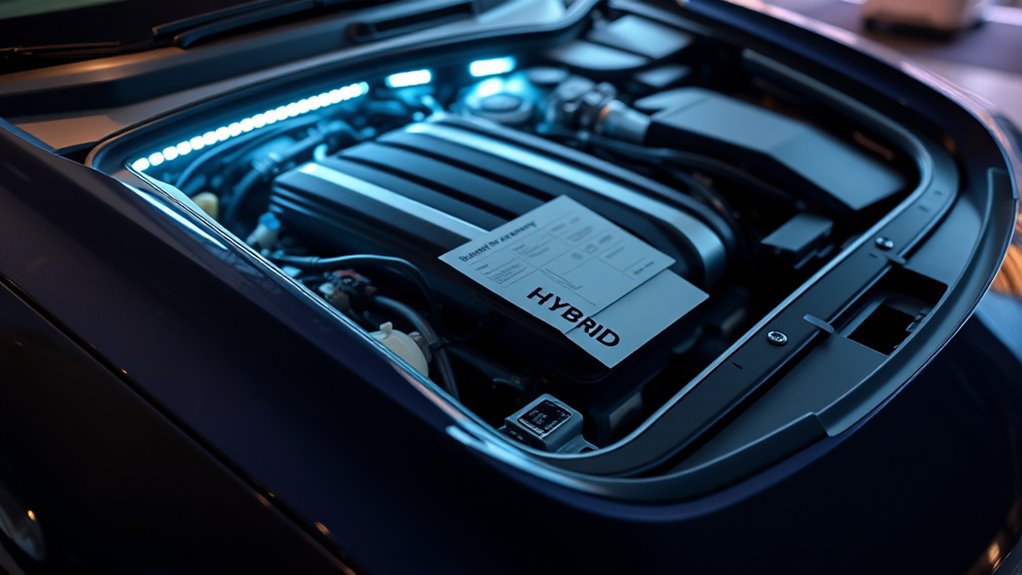
Are you wondering what you need to know about hybrid and electric vehicle warranties? Understanding warranty coverage is essential, especially when it comes to the battery, which is the heart of your vehicle’s performance. Many drivers focus on the purchase price or fuel savings, but knowing what’s covered if something goes wrong can save you significant headaches and money down the road.
Understanding hybrid and electric vehicle warranties, especially for the battery, can save you money and headaches.
First, let’s talk about battery maintenance and how it relates to warranty coverage. Electric and hybrid vehicles rely heavily on their batteries, which can be expensive to replace. Manufacturers typically offer comprehensive warranties that cover the battery for a specified period or mileage—often around 8 years or 100,000 miles, but it can vary. During this period, if your battery experiences issues like reduced capacity or failure, the warranty should cover repairs or replacement. However, it’s vital to understand what the warranty does and doesn’t cover. For instance, normal battery degradation over time—say, a slight reduction in range—may not be covered, as most warranties focus on manufacturing defects or abnormal failures. Proper battery maintenance, like keeping the vehicle charged within recommended levels and avoiding extreme temperatures, can help preserve battery health and ensure you don’t inadvertently void parts of your warranty.
When you’re considering a hybrid or EV, it’s important to review the warranty details thoroughly. Some manufacturers include the battery and related components—such as the inverter and cooling system—in their warranty packages, while others might limit coverage. Also, check if there are any specific conditions that could void your warranty, like unauthorized repairs or neglecting scheduled maintenance. Many warranties require you to perform routine battery maintenance, like keeping the battery charged appropriately and following manufacturer guidelines, to keep the coverage valid. Failing to do so might lead to warranty denial if your battery issues are deemed preventable.
Another aspect to consider is the warranty’s scope beyond the battery. Most hybrid and EV warranties cover the powertrain components, but other parts, like charging cords or auxiliary systems, might have separate coverage periods or exclusions. It’s worth asking your dealer or reading the fine print so you’re fully aware of what’s protected. Additionally, advances in refrigerant management and environmentally friendly refrigerants are influencing the efficiency and longevity of HVAC components in electric vehicles, which can also be covered under certain warranty terms. Remember, warranty coverage can vary widely between brands and models, so don’t assume all warranties are equal. Taking the time to understand what’s included and how to properly maintain your battery not only protects your investment but also helps you avoid unnecessary expenses. Staying informed about your warranty specifics ensures you’re prepared if your vehicle encounters issues, giving you peace of mind as you enjoy the benefits of hybrid or electric driving.
Frequently Asked Questions
Do Hybrid and EV Warranties Cover Battery Replacements Outside Warranty Terms?
Hybrid and EV warranties typically don’t cover battery replacements outside the warranty period due to warranty exclusions. If your battery’s longevity declines after the warranty ends, you’re usually responsible for repairs or replacement costs. Some manufacturers might offer extended warranties or goodwill repairs, but it’s not guaranteed. Always review your specific warranty details to understand coverage limits and potential costs related to battery issues beyond the warranty timeframe.
Are Roadside Assistance Services Included in Hybrid and EV Warranty Packages?
Yes, many hybrid and EV warranty packages include roadside assistance services, which often cover emergency roadside help and towing coverage. If you experience a breakdown or flat tire, you can usually rely on the warranty’s roadside assistance to dispatch help quickly. Be sure to check your specific warranty details, as coverage varies by manufacturer. This added support offers peace of mind during unexpected vehicle issues on the road.
How Do Warranty Claims Differ Between Hybrid and Fully Electric Vehicles?
When making warranty claims, you’ll find that hybrid and fully electric vehicles differ mainly in battery coverage. For hybrids, warranty eligibility often covers battery degradation and repairs, but the scope might be narrower than for EVs. EV warranties usually offer more extensive coverage for battery health and degradation over time. You’ll need to provide proof of battery issues, and understanding these differences helps you navigate warranty claims more effectively.
Can Aftermarket Repairs Void Hybrid or EV Warranty Coverage?
Yes, using aftermarket parts can void your hybrid or EV warranty. Manufacturers often specify that only approved parts and repairs are covered, and installing aftermarket parts may lead to warranty voiding. If you encounter issues, it’s best to consult your warranty terms or speak with your dealer before proceeding with aftermarket repairs, as unauthorized modifications can jeopardize your coverage and lead to costly out-of-pocket expenses.
What Factors Influence the Length of Hybrid and EV Warranty Periods?
You’re likely to get longer hybrid and EV warranty periods if the manufacturer offers a battery lifespan that’s extended and incorporates new technological advancements. Factors like the vehicle’s design, how you drive, and proper maintenance also play roles. Automakers may also adjust warranty lengths based on market conditions or updates to their technology. So, stay informed about these factors to understand how they could impact your warranty coverage.
Conclusion
Understanding hybrid and EV warranties helps you make informed decisions and protect your investment. Did you know that EV battery warranties often cover 8 years or up to 100,000 miles, giving you peace of mind? This highlights how manufacturers stand behind their technology, ensuring reliability. So, whether you’re going green or saving on fuel, knowing these basics empowers you to choose the right vehicle with confidence and reassurance.