
TL;DR
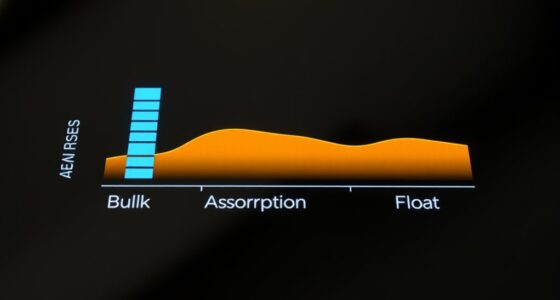
Graphene Manufacturing Group says 1.5 Ah G CELL pouch cells completed 1,000 charge-and-discharge cycles, each taking six minutes, at a 7C rate without performance reduction as of October 7, 2026. The company also reported separate 10C results, including 58 Wh/kg specific energy and 94% energy efficiency; the tests do not establish commercial-scale performance or electric-vehicle readiness.
Graphene Manufacturing Group says its G CELL pouch cells completed 1,000 charge-and-discharge cycles, with each cycle taking six minutes, without a reported performance reduction. The tests were conducted at a 7C rate, according to data released by GMG and reported by Charged EVs; they are part of the company’s effort to develop a fast-charging battery that does not use lithium or rare-earth materials.

Get business pricing on garage and car supplies
- Business-only prices and quantity discounts
- Tax-exempt purchasing
- Multiple users, one account, clear invoices
The 1.5 amp-hour pouch cells were built and tested by Indiana’s Battery Innovation Center, which collected the cycle data. GMG said it developed, manufactured and supplied the graphene materials used in the cells through its Brisbane Battery Development Centre. The company identifies G CELLS as graphene aluminum-ion cells.
GMG’s 1,000-cycle result was recorded at 7C. The company said this was double the cycle count in its previous update, which described testing at 10C. Other reported figures concern separate tests: at a six-minute, 10C charge rate, a G CELL reached 58 watt-hours per kilogram of specific energy, up from 39 Wh/kg in the prior update. GMG also reported 94% energy efficiency at that six-minute charge-and-discharge rate.
For comparison, GMG reported that an LTO, or lithium titanate oxide, cell tested at a 10C rate and cycled in the same six-minute period fell to 80% of its starting capacity after 82 cycles. The company said that level is typically treated as a cell’s end of life. A separate G CELL tested at 10C showed a 10% performance reduction after 393 cycles. These are reported test results, not evidence that every G CELL or a full battery pack would perform the same way.
What the Cycle Results Could Mean
The results address two challenges for batteries used in electric vehicles and energy storage: charging time and cycle durability. A cell that can accept a rapid charge repeatedly while retaining performance could reduce waiting time and, if the result carries over to larger formats, potentially make fast-charging systems more practical. GMG’s reported efficiency figure also bears on how much energy is lost during charging and discharging.
Those implications remain conditional. The reported tests were on 1.5 Ah pouch cells, and the results do not show the performance, cost, safety or useful life of a complete battery pack in a vehicle or grid installation. The comparison with LTO is also tied to the particular cells and test conditions described by GMG. It should not be read as a result for all LTO batteries or all operating conditions.
GMG Chief Executive and Managing Director Craig Nicol said fast charging is a major barrier to wider electric-vehicle and energy-storage adoption. He said the latest results show G CELLS lasting around ten times longer than a comparable LTO cell under the stated test conditions. That is the company’s characterization of the comparison; independent validation and broader testing details were not included in the supplied report.
Products Worth Considering

NOCO Boost GB70 2000A UltraSafe Jump Starter, 12V Lithium Battery Booster

NOCO Boost GBX155 4250A UltraSafe Jump Starter, 12V Lithium Battery Booster

NOCO Boost GB250 5250A UltraSafe Jump Starter, 12V Lithium Battery Booster
As an affiliate, we earn on qualifying purchases.
How GMG’s Test Results Compare
GMG is developing the cells under a joint development agreement with Rio Tinto. The company says the chemistry uses graphene and aluminum and contains no lithium or rare-earth materials. The latest cycle count is twice the number in the prior company update, but the test rate differed: the earlier update covered cells cycled at 10C, while the 1,000-cycle result was at 7C.
The distinction between test rates matters when interpreting the numbers. The report gives 1,000 cycles at 7C, while the 58 Wh/kg specific-energy figure and 94% efficiency figure are reported for a separate six-minute, 10C test. The LTO comparison and the separate G CELL result of a 10% performance reduction after 393 cycles were also reported at 10C. The figures should not be combined as if they came from one cell under one test protocol.
Bob Galyen, a GMG director and former chief technology officer of CATL, said energy not lost as heat is important to making fast charging practical at the system level. His comment speaks to the relevance of the efficiency measurement, but the reported cell-level figure does not by itself establish how an assembled battery system would perform.
“Energy that isn’t lost as heat is what makes fast charging practical at the system level.”
— Bob Galyen, GMG director and former chief technology officer of CATL
Questions Beyond the Cell Tests
The reported figures do not establish whether the results have been independently reproduced, and the supplied report does not give a full testing protocol, including all environmental conditions or the exact criteria used to assess performance reduction. It is also unclear how the cells would perform at larger sizes, in a complete battery pack, or across a wider range of temperatures and operating conditions.
The data do not provide a commercial production timeline, expected cell cost, pack-level energy density, safety results, or vehicle testing. The reported 1,000 cycles at 7C and the separate 10C measurements are distinct results; the report does not show that a single cell achieved all the cited figures together. GMG’s comparison with an LTO cell is company-reported, and the available material does not identify independent verification.
GMG’s Next Development Steps
GMG says it will focus on improving energy density and 10C cycle life and scaling G CELLS to larger formats. The company did not provide a schedule for those steps in the supplied report. Further results from larger cells or pack-level testing would help show whether the reported performance can be maintained beyond the 1.5 Ah pouch-cell tests.
GMG is developing the technology with Rio Tinto under a joint development agreement. The next milestones to watch are additional cycle-life data, clearer testing and validation details, and evidence of performance in larger formats. No commercial launch or deployment date was stated.
Key Questions
What did GMG report about its G CELLS?
GMG said its 1.5 Ah pouch cells completed 1,000 six-minute charge-and-discharge cycles at a 7C rate without a reported performance reduction, as of October 7, 2026.
Were all the reported performance figures measured in the same test?
No. The 1,000-cycle result was at 7C. The 58 Wh/kg specific-energy figure and 94% efficiency figure were reported for separate six-minute tests at 10C.
How did the tested G CELL compare with the LTO cell?
GMG reported that an LTO cell tested at 10C fell to 80% of its original capacity after 82 cycles. A separate G CELL tested at 10C showed a 10% performance reduction after 393 cycles. The results apply to the reported cells and test conditions, not necessarily to other cells or battery systems.
Are G CELLS ready for electric vehicles?
The report does not establish that. It describes 1.5 Ah pouch-cell testing, not a commercial vehicle battery pack, and provides no launch date, pack-level results or vehicle deployment evidence.
What does GMG plan to do next?
GMG says it plans to work on energy density, 10C cycle life and larger cell formats. It did not give a timeline for those development steps in the supplied report.
Source: rss