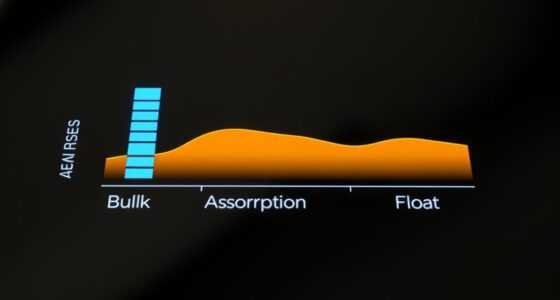
Smart alternators with LIN control systems improve your vehicle’s electrical performance by actively managing power demands in real-time. They optimize battery life, reduce engine strain, and enhance fuel efficiency, all while communicating seamlessly with other components through LIN protocols. This integration allows for better diagnostics and smoother operation even during high electrical loads. If you keep exploring, you’ll discover how this technology makes your vehicle more reliable and easier to maintain.
Key Takeaways
- Smart alternators actively monitor and respond to electrical demands, optimizing battery management and improving overall vehicle efficiency.
- LIN control protocol facilitates communication between alternators, ECUs, and other modules for real-time system coordination.
- Integration of LIN enhances diagnostics, allowing quick detection of electrical issues and reducing maintenance costs.
- Smart alternators improve system performance during engine startup and high-demand situations by adjusting output dynamically.
- These systems increase reliability, extend component lifespan, and support sustainable, eco-friendly vehicle manufacturing.
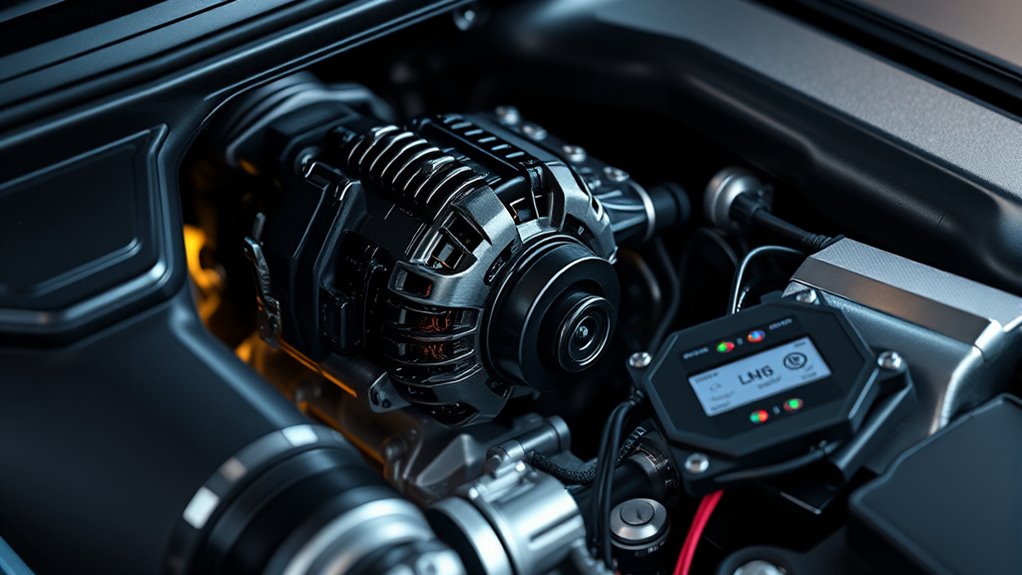
Smart alternators have revolutionized vehicle electrical systems by providing more efficient and adaptable power management. Unlike traditional alternators that simply generate electricity when the engine runs, these advanced systems actively monitor and respond to the vehicle’s electrical demands. They adjust their output based on real-time needs, helping to optimize battery management and extend battery life. This dynamic control reduces strain on the engine and improves overall fuel efficiency. As a driver, you might notice that your vehicle’s electrical components operate more smoothly, especially when multiple devices are running simultaneously. The smart alternator’s ability to modulate power output ensures your battery remains charged without unnecessary overcharging, which can damage the battery over time. This precise management is especially beneficial in modern vehicles loaded with electronic features, from infotainment systems to advanced safety sensors. Incorporating diverse design options into these systems can further enhance their compatibility with various vehicle models and user preferences.
Smart alternators optimize power, extend battery life, and keep your vehicle’s electronic systems running smoothly.
Integrating LIN (Local Interconnect Network) control into smart alternators enhances their functionality even further. LIN is a communication protocol that allows various vehicle components to exchange information efficiently. When your vehicle uses LIN control in conjunction with a smart alternator, it creates a more coordinated electrical system. The alternator can communicate directly with the engine control unit (ECU) and other modules to optimize performance. For you, this means better engine diagnostics, as the system can quickly detect issues related to electrical or charging problems. If a fault occurs, the vehicle’s diagnostic systems can identify the root cause more accurately and faster, often alerting you with a warning light or message. This proactive approach helps prevent unexpected breakdowns and ensures your vehicle stays in top shape.
With LIN control, your vehicle’s electrical system becomes smarter and more responsive. For example, during engine startup, the system can adjust the alternator’s output to reduce load on the starter motor, making cold starts smoother. During high-demand situations, it can ramp up power delivery without overtaxing the engine or draining the battery. Plus, the system continuously monitors parameters like voltage, current, and temperature, providing real-time data to optimize performance and longevity. This constant communication between the alternator and other modules streamlines energy use and enhances diagnostic capabilities, giving you peace of mind knowing that potential issues are caught early. Additionally, the integration of sustainable and recycled materials in some components can contribute to eco-friendly vehicle manufacturing.
In essence, smart alternators equipped with LIN control offer a significant upgrade over traditional systems, making your vehicle more reliable, efficient, and easier to maintain. They ensure your battery stays healthy, your engine runs smoothly, and your vehicle’s diagnostic systems provide accurate information for timely repairs. This technological advancement not only improves your driving experience but also helps extend the lifespan of key electrical components, saving you money and hassle down the road.
Frequently Asked Questions
How Do Smart Alternators Improve Fuel Efficiency?
Smart alternators improve fuel efficiency by optimizing energy conservation and power management. They adjust their charging output based on your vehicle’s needs, reducing unnecessary engine load. This means your engine doesn’t work harder than it needs to, saving fuel. By intelligently managing electrical loads, smart alternators help you use energy more efficiently, leading to better mileage and lower emissions without sacrificing performance.
What Vehicles Are Compatible With LIN Control Systems?
You’ll find LIN control systems compatible with many modern vehicles, especially those with advanced electronic architectures. Vehicles like passenger cars, trucks, and SUVs often incorporate LIN integration for their body control modules and lighting systems. To guarantee compatibility, check your vehicle’s electronic system specifications or consult the manufacturer. LIN control enhances communication between components, making it widely adaptable across various vehicle types that support LIN network integration.
Can Smart Alternators Be Retrofitted Into Older Cars?
You can retrofit smart alternators into older cars, but it’s not always straightforward. You’ll face retrofit challenges and compatibility issues, like matching the electrical system and ensuring proper communication with the vehicle’s existing control units. It’s essential to consult a professional or do thorough research before attempting the retrofit, as improper installation could lead to system failures or reduced performance. Proper planning guarantees a smoother upgrade process.
How Does LIN Communication Enhance Alternator Performance?
You might worry that LIN communication complicates your alternator system, but it actually boosts performance by ensuring precise voltage regulation and signal integrity. With LIN control, your alternator responds faster and more accurately to your vehicle’s needs, preventing battery issues and improving fuel efficiency. This seamless communication reduces system errors, giving you confidence that your car’s electrical system stays reliable and optimized, even in demanding driving conditions.
Are There Any Maintenance Differences With Smart Alternators?
You’ll find maintenance procedures for smart alternators are generally similar to traditional ones, but they may require specialized diagnostic tools to monitor their health. Keep an eye on lifespan considerations, as smart alternators often have longer operational lives due to advanced control systems. Regularly inspect wiring and connections, and follow manufacturer guidelines for any software updates or calibration needs to guarantee maximum performance and longevity.
Conclusion
By now, you see how smart alternators with LIN control can boost your vehicle’s efficiency and reliability. Did you know that vehicles equipped with smart alternators can reduce fuel consumption by up to 10%? This technology not only optimizes power management but also extends battery life, saving you money long-term. Embracing these innovations keeps your vehicle ahead of the curve, making your drives smoother and more economical. It’s a smart upgrade for any modern driver.