TL;DR
UK petrol prices have risen 31% and diesel 41% since late February, adding around £22 to an average petrol fill-up and £30 to a diesel one, according to RAC Foundation data. Three practical responses stand out: shopping around between forecourts, switching to an EV or hybrid, and driving more efficient models.
Petrol prices have risen 31% and diesel 41% since late February, according to RAC Foundation data, adding roughly £22 to the cost of filling an average petrol car and £30 for an average diesel car. The analysis, drawing on fuel price tracking and independent lab testing, identifies three main ways drivers can limit the damage: comparing forecourt prices before filling up, considering electrified vehicles whose running costs have stayed far more stable, and choosing more efficient models, as inefficient cars are being hit hardest.
The price surge is linked to the conflict in Iran, which began in late February. Diesel was initially affected more sharply than petrol, and although prices eased over the summer, they have climbed steeply again amid expectations that the war will continue until at least November. Diesel currently sits at its highest levels since 2022, driven by high global demand from haulage and shipping combined with limited supplies.
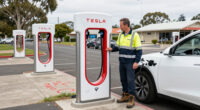
Electric vehicle owners have been largely insulated. Data from charger-finding service Zapmap shows off-peak home charging rose just 0.9p per kWh over the past 12 months, and slow public chargers rose 3p per kWh. The average price of rapid charging actually fell recently, after operator MFG introduced a 25% discount on 1 July, cutting its rate from 79p to 59p per kWh — though the promotion ends on 30 September, after which average rapid charging prices are likely to return to previous levels. Tesla is also gradually opening more of its Supercharger network to non-Tesla drivers, which tends to bring down average high-speed charging costs.
The impact varies sharply by vehicle. The KGM Rexton, a large diesel SUV and one of the most expensive cars to run in independent lab testing, now costs just over £140 per month in fuel at average mileage — up £40 since February. By contrast, the Mercedes-Benz CLA 250+ Electric, one of the most efficient models tested, has very low monthly charging costs, especially for drivers able to charge at home on an off-peak tariff.
UK MOTORING • MARKET WATCH • SEPTEMBER 2026
Soaring Fuel Prices: 3 Ways To Manage Their Market Impact
Pump prices have surged since late February. Compare local forecourts, consider electrified driving, and make efficiency count to limit the hit to your household budget.
About £22 more for an average fill-up
About £30 more for an average fill-up
THREE PRACTICAL RESPONSES
Put control back in the driver’s seat
The impact varies by fuel, vehicle and location. These moves can help reduce what you pay now and shape what you spend next.
01 / FILL UP SMARTER
Compare forecourts
Prices can differ sharply over a short distance. Check nearby stations before setting out, and factor in membership rules and detours.
A few minutes of price checking can trim the tank total.02 / REDUCE EXPOSURE
Consider electrified driving
Hybrids use less petrol; EV owners have seen comparatively stable charging costs. Off-peak home charging is typically the lowest-cost route.
Compare real charging access and tariffs before switching.03 / CHOOSE EFFICIENCY
Drive a more efficient model
Large, inefficient vehicles feel fuel spikes hardest. When buying or replacing a car, include running costs alongside purchase price.
Efficiency can matter more as prices climb.LOCAL PRICES • WATFORD EXAMPLE
One short trip, a 35p-per-litre spread
On 24 September 2026, petrol prices within a 3.5-mile radius ranged from 161.9p per litre at Costco (members only) to 196.9p at the Welcome Break services on the M1.
At an average fill-up, choosing a lower-priced station can make a meaningful difference. Use a local price checker and consider whether the route and access conditions work for you.
Watford petrol prices
Recorded 24 September 2026 • pence per litre
“Within a 3.5-mile radius in Watford, petrol ranged from 161.9p at Costco to 196.9p at the M1 Welcome Break services.”
PETROLPRICES.COM • 24 SEPTEMBER 2026EV RUNNING COSTS
Charging has moved far less than fuel
Zapmap data points to modest changes over 12 months, while a temporary rapid-charging discount has lowered some public prices.
Per kWh over the past 12 months. Home off-peak tariffs remain the lowest-cost charging option for many drivers.
Per kWh over the past 12 months, according to charger-finding service Zapmap.
Per kWh after a 25% discount introduced 1 July. The promotion ends 30 September.
The average rapid charging price recently fell. After the MFG offer ends, prices are expected to return toward previous levels; timing and size are uncertain. Tesla is also gradually opening more Superchargers to non-Tesla drivers.
VEHICLE IMPACT
The car you drive changes the bill
Independent lab testing shows how sharply monthly running costs can diverge between a large diesel SUV and an efficient electric model.
LARGE DIESEL SUV
KGM Rexton
Now costs just over £140 per month in fuel at average mileage—around £40 more than in February.
Among the most expensive cars to run in the lab testing.ELECTRIC • EFFICIENT
Mercedes-Benz CLA 250+
Very low monthly charging costs, especially for drivers able to charge at home using an off-peak tariff.
Charging access and tariff shape the real-world cost.WHAT SHAPES YOUR COST
Your mileage matters
Annual distance, driving style, vehicle efficiency and local prices all affect what a household actually pays.
Average figures are a guide, not a personal quote.TRACE THE PRESSURE
From global disruption to household decisions
DATES TO WATCH
Near-term decisions and unknowns
Policy changes may slightly shift electricity costs. Fuel prices remain tied to events that are still unfolding.
The 25% rapid-charging discount is scheduled to finish.
Energy Price Guarantee rises by less than 1%; domestic electricity VAT falls from 5% to 0%.
The announced domestic electricity VAT reduction runs until March 2027.
Fuel-market pressure may persist if the Iran conflict continues. The timeline remains uncertain.
WHAT IS KNOWN
Current signals
- RAC Foundation data puts petrol up 31% and diesel up 41% since late February.
- Diesel is at its highest level since 2022, with global demand and limited supply contributing.
- Off-peak home charging costs have changed modestly compared with pump prices.
WHAT REMAINS UNCLEAR
Watch the next moves
- How long upward pressure will last if the conflict continues.
- Whether a reported US diesel export restriction is enacted and how it could affect UK prices.
- When rapid charging prices will rebound after the MFG discount ends.
What Rising Pump Prices Mean for Drivers
For typical UK motorists, the price rises translate into hundreds of pounds of additional annual fuel costs, with the burden falling unevenly. Diesel drivers, owners of large and inefficient vehicles, and those in areas with few competing forecourts are hit hardest. The gap between pump prices matters more than it used to: in one example from Watford, recorded on 24 September 2026 via PetrolPrices.com, petrol ranged from 161.9p per litre at Costco (members only) and 164.7p at Asda to 196.9p at the Welcome Break services on the M1 — all within a 3.5-mile radius. Choosing where to fill up can therefore save a meaningful amount per tank.
The divergence also strengthens the financial case for electrification. Hybrid cars are less exposed to fuel price spikes thanks to their batteries, and EV running costs have remained relatively stable because electricity prices have seen only limited change under the government’s Energy Price Guarantee. Drivers who can charge at home — particularly on off-peak tariffs — face far lower costs than those dependent on rapid public chargers.
How the Iran Conflict Reshaped Fuel Costs
According to RAC Foundation data, the conflict in Iran that began in late February pushed diesel prices up faster than petrol at first. Prices drifted down over the summer and the petrol-diesel gap narrowed, but renewed expectations that the war will run until at least November sent both fuels sharply higher again. Reports that US President Donald Trump is considering ending all American diesel exports could add further upward pressure, according to the analysis.
On the electricity side, the Energy Price Guarantee has kept charging costs comparatively steady. The EPG will rise on 1 October, but by less than 1%. Separately, the government announced in July a cut in VAT on domestic electricity from 5% to 0%, effective 1 October and running until March 2027, which will slightly reduce home charging costs.
“Within a 3.5-mile radius in Watford, petrol ranged from 161.9p at Costco to 196.9p at the M1 Welcome Break services.”
— PetrolPrices.com, 24 September 2026
Unresolved Questions on Future Prices
It is not yet clear how long the upward pressure on fuel prices will last; the analysis states only that prices are unlikely to fall soon if the war in Iran continues. The reported possibility of a US diesel export ban remains unconfirmed and its potential effect on UK prices is uncertain. After 30 September, MFG’s 25% rapid charging discount ends, and average rapid charging prices are expected to return to previous levels, but the exact timing and size of that rebound is unknown. Individual running costs also depend heavily on each driver’s mileage, driving style and local fuel prices, so average figures may not reflect any particular household’s experience.
Dates and Decisions Ahead for Motorists
Key near-term developments include the end of MFG’s rapid charging discount on 30 September and the 1 October Energy Price Guarantee rise of under 1%, alongside the start of the VAT cut on domestic electricity that runs until March 2027. Fuel market watchers will be looking for signs of whether the Iran conflict winds down by November as currently expected, and whether the potential US diesel export restriction is enacted. For drivers, the practical steps remain comparing local pump prices before filling up, using off-peak home charging where possible, and factoring fuel or charging efficiency into any next car purchase.
Key Questions
How much more does it cost to fill up since February?
According to the analysis, the average petrol car costs about £22 more per fill-up since February, and the average diesel car about £30 more.
Why is diesel rising faster than petrol?
RAC Foundation data shows diesel has been more affected by the Iran conflict, with high global demand from haulage and shipping plus limited supplies making diesel prices especially volatile. Diesel is currently at its highest level since 2022.
Are electric car owners affected by the fuel price rises?
Largely no. Zapmap data shows charging costs have risen only modestly — 0.9p per kWh for off-peak home charging and 3p for slow public chargers over 12 months — while average rapid charging costs recently fell due to a temporary MFG discount.
What is the cheapest way to charge an EV?
Home charging on an off-peak EV tariff is by far the cheapest option, according to the analysis. Costs rise considerably with public chargers, particularly rapid chargers. The VAT cut on domestic electricity from 1 October will make home charging slightly cheaper.
Does shopping around for fuel really save money?
Yes. In one Watford example, petrol prices varied by more than 30p per litre between stations within 3.5 miles, from 161.9p to 196.9p. Tools such as PetrolPrices.com can help drivers find the cheapest nearby options.
Source: rss