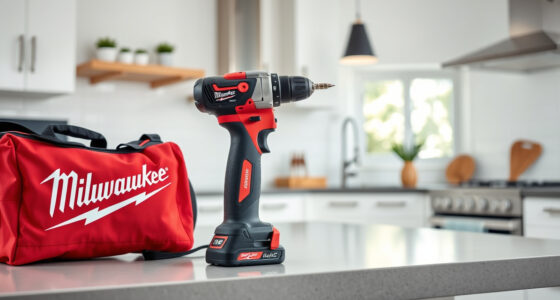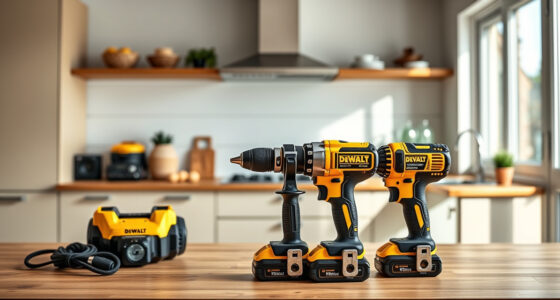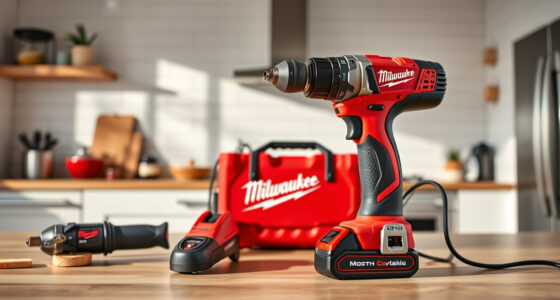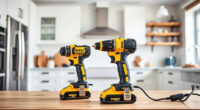
Choosing between Milwaukee and DeWalt power tools often comes down to specific needs and preferences. Both brands are well-respected, offering reliable, durable tools for professionals and DIYers alike. This comparison highlights key features, strengths, and potential drawbacks to help you make an informed decision.

Get business pricing on garage and car supplies
- Business-only prices and quantity discounts
- Tax-exempt purchasing
- Multiple users, one account, clear invoices
We focus on the Milwaukee M18COMPACT BRUSHLESS 1/2 INCH Hammer Drill/Driver and provide a general overview of DeWalt’s comparable offerings to give a clear picture of what each brand provides.
At a Glance

Milwaukee Electric – M18COMPACT BRUSHLESS 1/2 INCH Hamme
- ✔ Motor Type: Brushless
- ✔ Max RPM: 1700
- ✔ Chuck Size: 1/2 inch
Milwaukee vs DeWalt: Full Breakdown
Milwaukee Electric – M18COMPACT BRUSHLESS 1/2 INCH Hamme
The Milwaukee M18COMPACT BRUSHLESS 1/2 INCH Hammer Drill/Driver stands out with its compact design, robust all-metal gear case, and substantial torque. It’s ideal for tight spaces and overhead work, making it versatile for various applications. While DeWalt also produces high-quality tools, Milwaukee’s focus on lightweight, balanced tools with durable components often appeals more to professionals working in demanding environments.
Pros:
- Compact and lightweight design for better control
- All-metal gear case for durability
- Brushless motor for efficient power
- High torque of 550 inch-lbs
Cons:
- Battery and charger sold separately
- Limited to 1/2-inch chuck size
- Higher price for complete kits
Best for: Professional contractors and serious DIYers needing reliable, durable tools for frequent use.
Not ideal for: Casual users or those on a strict budget may find Milwaukee’s higher cost less appealing.
Bottom line: Milwaukee provides a powerful, durable tool optimized for demanding tasks and tight spaces.
| Feature | Milwaukee | DeWalt |
|---|---|---|
| Power | Brushless motor with high torque | Brushless motors with comparable power |
| Durability | All-metal gear case | Heavy-duty metal components |
| Design | Compact, lightweight | Ergonomic and balanced |
| Price | Premium pricing | Varies by model, generally competitive |
| Battery | 18V Lithium-Ion (sold separately) | Compatible with DeWalt 20V Max batteries |
| Application | Ideal for overhead and tight spaces | Versatile for various construction tasks |
The Verdict
Milwaukee is best suited for professionals needing durable, compact tools, while DeWalt offers versatile options for a broader range of users.
Deep Dive Into Features
Milwaukee’s focus on compact design and tough construction makes it a favorite among contractors working in tight or overhead spaces. Its brushless motor ensures efficient power delivery, while the all-metal gear case adds to its durability. DeWalt, on the other hand, offers a broad lineup that balances power, size, and price, making it suitable for both professionals and serious DIYers who prefer a more versatile tool selection.
Frequently Asked Questions
Is Milwaukee’s tool compatible with DeWalt batteries?
No, Milwaukee and DeWalt use different battery systems, so their batteries are not interchangeable.
Which brand is more durable?
Both brands produce durable tools, but Milwaukee’s all-metal gear case and focus on heavy-duty construction often give it an edge in demanding environments.
Are Milwaukee tools more expensive than DeWalt?
Milwaukee tools tend to be priced higher, reflecting their premium build quality and targeted professional market.
Can I use Milwaukee tools for overhead work?
Yes, the compact design and balanced weight make Milwaukee tools excellent for overhead applications.
Affiliate disclosure: As an Amazon Associate we earn from qualifying purchases. Prices and availability are accurate as of the time of publishing.
Columbus Day / Indigenous Peoples' Day Picks
long weekend sales
As an affiliate, we earn on qualifying purchases.