
TL;DR
Listen free for 30 days with Audible
Thousands of audiobooks and originals — cancel anytime.
Start your free trialAs an affiliate, we earn on qualifying purchases.
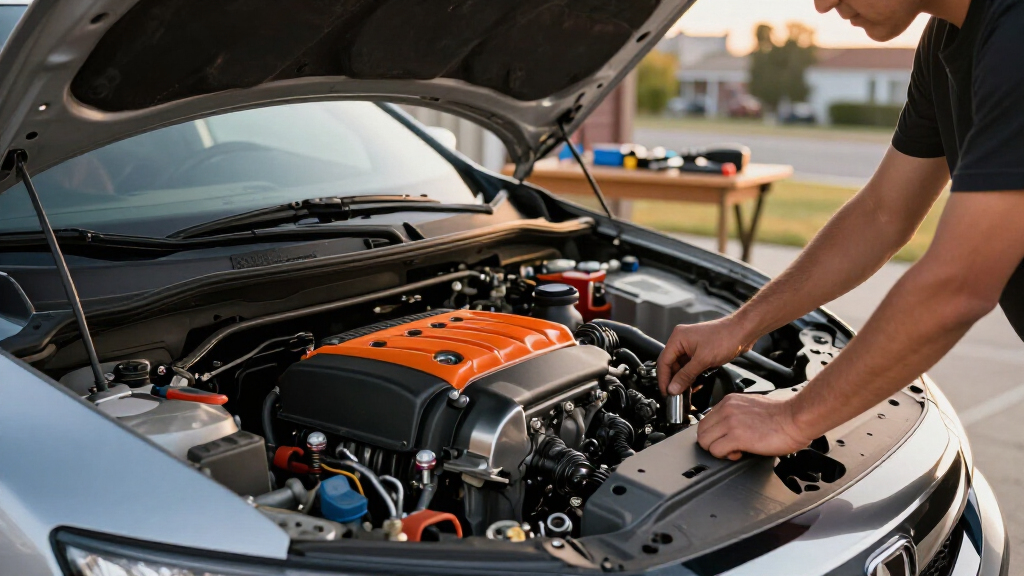
Honda has disclosed its methods for preventing engine failures, contrasting with Toyota’s recent struggles with engine reliability. This development highlights industry concerns over engine durability and maintenance practices.
Honda has publicly detailed its strategies for preventing engine failures, offering a contrast to Toyota’s ongoing issues with engine reliability. This comes amid widespread reports of Toyota engines failing prematurely, raising concerns about durability and maintenance in the automotive industry.
According to sources familiar with Honda’s manufacturing and quality assurance processes, the company emphasizes rigorous testing, advanced materials, and proactive maintenance protocols to ensure engine longevity. Honda officials stated that their engines are designed with a focus on durability, which has helped them avoid the widespread failures reported in some Toyota models.
Recent reports indicate that Toyota’s engines, particularly in certain models, are experiencing unexpected failures, including stalling, loss of power, and in some cases, complete engine breakdowns. These issues have prompted recalls and warranty claims, raising questions about manufacturing consistency and quality control.
Honda’s approach involves enhanced quality checks at multiple stages of production, along with the integration of new materials that resist wear and thermal stress. The company also advocates for regular maintenance schedules, which it claims significantly reduce the risk of engine failure.
Implications for Vehicle Reliability and Consumer Confidence
This contrast between Honda and Toyota’s engine reliability strategies is significant because it influences consumer trust and brand reputation. As engine failures can lead to costly repairs and safety concerns, Honda’s proactive measures may position it as a more reliable choice for consumers prioritizing durability.
Moreover, ongoing issues with Toyota engines could impact its market share, especially in segments where engine dependability is a key purchase factor. The industry is closely watching how automakers respond to such reliability challenges and what it means for future vehicle design and maintenance standards.
Honda engine durability upgrade kit
As an affiliate, we earn on qualifying purchases.
As an affiliate, we earn on qualifying purchases.
Recent Trends in Engine Reliability and Industry Responses
Over the past year, reports of engine failures have surged in the automotive sector, with Toyota being notably affected. These failures have been linked to manufacturing defects, design flaws, or material issues, prompting recalls and warranty extensions. The industry has seen a growing emphasis on engine durability, driven by consumer safety concerns and regulatory pressures.
Historically, Toyota has been regarded for its reliable engines, but recent incidents have challenged this reputation. Meanwhile, Honda has maintained a focus on rigorous testing and quality assurance, which appears to be paying off in terms of fewer reported failures.
Search interest in engine reliability and maintenance tips has spiked, reflecting consumer anxiety and the industry’s need to address these issues transparently.
Unconfirmed Causes Behind Toyota’s Engine Failures
It is not yet clear what specific factors are causing Toyota’s engines to fail at the reported levels. Investigations are ongoing, and the root causes—whether manufacturing defects, design flaws, or material issues—have not been publicly confirmed.
Details about the scope of the failures, affected models, and the timeline for resolution remain uncertain. Industry sources indicate that further disclosures are expected as Toyota conducts internal reviews and collaborates with suppliers.
Expected Industry and Corporate Responses to Reliability Concerns
Toyota is likely to implement additional quality controls and possibly redesign affected engines or components. The company has announced recalls and warranty extensions in some regions, but the full scope of measures remains to be seen.
Meanwhile, Honda and other automakers are expected to continue emphasizing rigorous testing and maintenance guidance to consumers. Industry analysts anticipate increased scrutiny on engine manufacturing standards and potential regulatory interventions if failures persist.
Consumers should stay informed about recall notices and follow recommended maintenance schedules to mitigate risks.
Key Questions
What specific engine models are affected by Toyota’s failures?
Details about affected Toyota models have not been fully disclosed. Ongoing investigations are expected to clarify which engines are impacted and the scope of the failures.
How does Honda ensure its engines are more reliable?
Honda emphasizes extensive testing, the use of advanced materials resistant to wear and heat, and strict quality control at multiple production stages. The company also advocates for regular maintenance.
Are there safety risks associated with these engine failures?
Some failures have led to engine stalling or loss of power, which could pose safety risks depending on the driving situation. Consumers are advised to heed recall notices and follow maintenance guidelines.
Will Toyota change its manufacturing processes to address these issues?
While specific plans have not been announced, Toyota is conducting internal reviews and may implement new quality control measures or redesign affected engines based on investigation outcomes.
What should consumers do if they suspect engine problems in their Toyota vehicle?
Consumers should contact their local dealership for inspection and consider checking for any active recalls. Following scheduled maintenance and reporting issues promptly can help prevent further damage.
Source: rss
Fall yard work Picks
leaf blowers
As an affiliate, we earn on qualifying purchases.