
TL;DR
Get ready for Prime Big Deal Days — try Prime free
Exclusive member deals on October 6–7, plus fast free delivery. Cancel anytime.
Start your free trialAs an affiliate, we earn on qualifying purchases.
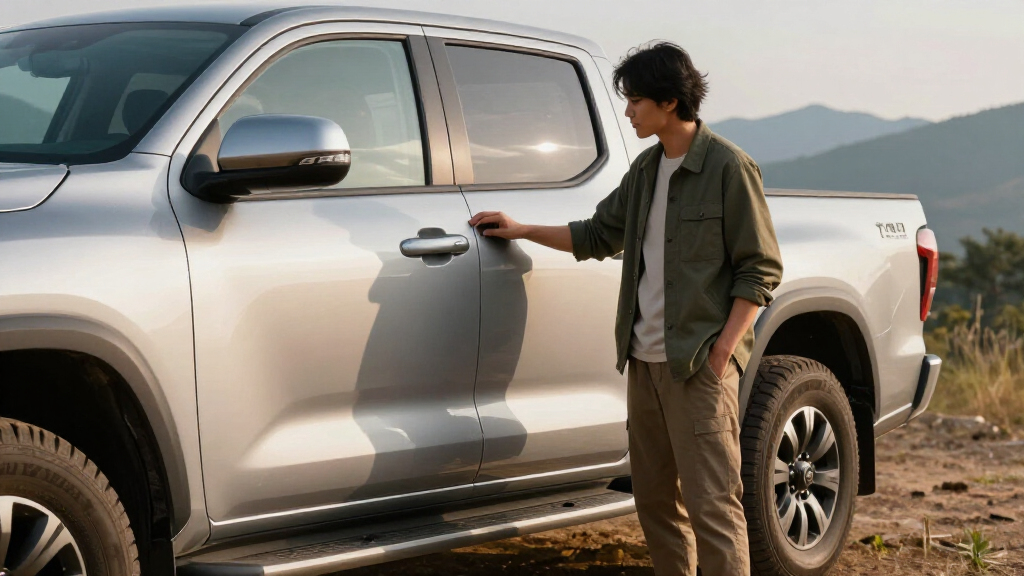
Toyota has announced it will introduce a hydrogen-powered pickup truck in 2028, with a projected range of 248 miles. This move signals a new direction for alternative fuel vehicles in the pickup segment.
Toyota has confirmed it will launch a hydrogen-powered pickup truck in 2028, marking a significant step in the adoption of alternative fuel vehicles within the pickup segment. The vehicle is expected to offer an estimated range of 248 miles on a single tank, according to sources familiar with the company’s plans. This development positions Toyota as a pioneer in integrating hydrogen fuel cell technology into larger, utility-focused vehicles, which could influence the future of zero-emission pickups.
The vehicle, currently under development, is set to debut in 2028, with Toyota aiming to capitalize on its hydrogen fuel cell expertise. According to Toyota spokespersons, the truck will feature a range of approximately 248 miles, comparable to some electric pickups but with the advantage of faster refueling times associated with hydrogen fuel cells.
Details about the truck’s size, design, and specific capabilities remain under wraps, but sources indicate it will be built to meet the demands of both commercial and personal users. Toyota’s focus on hydrogen technology aligns with its broader strategy to diversify its alternative fuel offerings, which currently include hybrid and electric vehicles.
Impact of Toyota’s Hydrogen Pickup on the Market
This announcement signals a potential shift in the pickup truck market, traditionally dominated by gasoline and diesel engines. Toyota’s entry into hydrogen-powered pickups could expand the options available for consumers and fleet operators seeking zero-emission solutions. If successful, the vehicle could challenge electric pickups by offering faster refueling and longer range, addressing key limitations of current EV models.
Moreover, Toyota’s move underscores the growing interest in hydrogen fuel cell technology as a viable alternative for larger vehicles, especially in regions where hydrogen infrastructure is expanding. This development could accelerate investments in hydrogen refueling stations and influence other automakers to explore similar options.
As an affiliate, we earn on qualifying purchases.
Background on Hydrogen Fuel Cell Vehicles and Pickup Trends
Toyota has been a leader in hydrogen fuel cell technology, with the Mirai sedan being its most prominent model. The company has long promoted hydrogen as a clean, efficient energy source, especially for larger vehicles and commercial applications. However, hydrogen vehicles have faced challenges such as limited refueling infrastructure and high costs.
In the pickup segment, electric models like the Ford F-150 Lightning and Rivian R1T have gained popularity, but they face criticism over range limitations and charging times. Toyota’s upcoming hydrogen pickup aims to address these issues by leveraging hydrogen’s quick refueling and higher energy density. The move is part of a broader industry trend exploring alternative fuels for larger, utility vehicles, though adoption remains limited compared to electric options.
Interest in hydrogen vehicles has spiked recently, driven by increased coverage and government incentives in some regions, although official plans for hydrogen pickups have yet to be widely announced. This trend signals a potential diversification of the zero-emission vehicle market in the coming years.
Unconfirmed Aspects of the Hydrogen Pickup’s Design and Infrastructure
Many details remain unconfirmed, including the truck’s final design, size, and specific features. It is also unclear how Toyota plans to address the current limitations of hydrogen refueling infrastructure, which could impact the vehicle’s adoption and practicality in different regions. Additionally, the cost of the vehicle and its competitiveness against electric pickups are still unknown.
Next Steps in Toyota’s Hydrogen Pickup Development and Market Entry
Toyota is expected to continue testing prototypes and refining its hydrogen fuel cell technology for this vehicle over the next few years. The company may also collaborate with hydrogen infrastructure providers to support the truck’s rollout. Industry observers will be watching for official teasers, detailed specifications, and confirmation of production plans as the 2028 launch approaches.
Key Questions
Will the hydrogen pickup be available in all markets?
It is currently unclear whether Toyota plans a global launch or will focus initially on regions with existing hydrogen infrastructure, such as parts of Asia and California.
How does the range compare to electric pickups?
The estimated 248-mile range is comparable to some electric pickups, but hydrogen refueling offers the advantage of faster fill-up times, which could be appealing for commercial use.
What are the main challenges for hydrogen pickup adoption?
The primary challenges include limited hydrogen refueling infrastructure, high vehicle costs, and the need for consumer and fleet acceptance of hydrogen technology.
Will the truck be suitable for heavy-duty work?
Specific capabilities are still unconfirmed, but Toyota aims for the vehicle to meet the demands of both personal and commercial users, potentially including light to medium-duty tasks.
Source: rss
Fall Picks
fall essentials
As an affiliate, we earn on qualifying purchases.