

A transferable warranty lets you pass on the remaining coverage of a product to a new owner, adding value and peace of mind. It usually involves notifying the manufacturer and filling out a transfer form, often with a small fee. Not all warranties are transferable, so it’s important to check the conditions. Understanding how the process works can help you maximize your product’s resale value and protection. If you explore further, you’ll discover more about how to guarantee a smooth transfer.
Key Takeaways
- Transferable warranties allow the new owner to benefit from remaining coverage after a product sale.
- The transfer process typically involves notifying the manufacturer, filling out forms, and providing proof of purchase.
- Not all warranties are transferable; some are non-transferable or have specific conditions and time limits.
- Transferring a warranty can increase the product’s resale value and provide peace of mind to the new owner.
- Keeping documentation organized and following manufacturer instructions ensures a smooth warranty transfer.

Have you ever wondered what happens to a warranty when you sell a product? It’s a common question, especially if you’ve invested in something valuable like appliances, electronics, or vehicles. The good news is that many warranties are designed to be transferable, meaning the new owner can benefit from the remaining coverage. Understanding how this works can save you money and provide peace of mind, but it’s important to know the details of the warranty transfer process and what manufacturer coverage entails.
When you purchase a product, the manufacturer often offers a warranty that covers defects or malfunctions for a specified period. This manufacturer coverage can sometimes be transferred to a new owner if the product is sold, but it’s not automatic. The warranty transfer process varies depending on the company and product type. Typically, it involves notifying the manufacturer or the warranty provider about the change in ownership. You may need to fill out a form, provide proof of purchase, and sometimes pay a small fee. Once completed, the new owner’s rights to claim repairs or replacements under the warranty are preserved, effectively extending the product’s protection.
Not all warranties are transferable, so it’s essential to read the fine print when you buy. Some manufacturers explicitly state that their warranties are non-transferable, meaning only the original purchaser can benefit from the coverage. Others may specify certain conditions, such as transferring the warranty within a certain timeframe after the sale or requiring the product to be registered for the transfer to be valid. If the warranty is transferable, it often retains the original terms, including the duration and scope of coverage, which can be a valuable selling point if you decide to resell the item later.
In many cases, the warranty transfer process isn’t complicated, but it does require some proactive steps. You’ll want to keep your receipts and documentation organized, as proof of purchase is usually necessary. When transferring, make sure to follow the manufacturer’s instructions precisely, as overlooking a step could void the transfer. It’s also wise to inform the new owner of the warranty’s existence and the process to claim benefits, ensuring a smooth transition. Remember, transferring a warranty can add to the resale value of items and provide reassurance to the next owner, knowing that they’re protected under the manufacturer coverage. Additionally, understanding the specific coverage details can help you determine the true value of the warranty when reselling or transferring it.
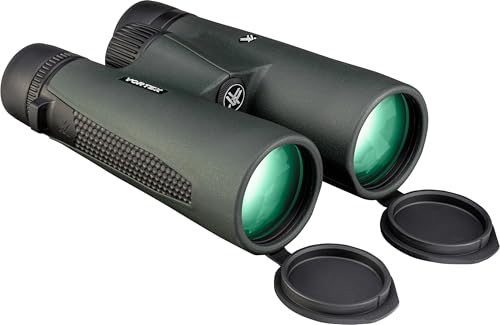
Vortex Triumph HD 12×50 Binoculars – HD Optical System, Fully Multi-Coated Lenses, Rubber Armor, Tripod Adaptable, Waterproof, Fogproof, Shockproof – Unlimited, Unconditional Warranty
A full-size binocular with 12x magnification and 50mm objective lenses, the Triumph HD delivers excellent image quality, ergonomics,…
As an affiliate, we earn on qualifying purchases.
As an affiliate, we earn on qualifying purchases.
Frequently Asked Questions
Can Warranties Be Transferred Between Different Product Brands?
Warranties generally can’t be transferred between different product brands because of product brand compatibility issues. When considering warranty transfer procedures, you need to check if the warranty is brand-specific or transferable to other brands. Usually, warranties are tied to the original product and brand, so transferring them to a different brand isn’t usually possible. Always review the warranty terms and contact the manufacturer for clarification on transferability.
How Does Warranty Transfer Affect Product Resale Value?
Think of a transferable warranty as a golden ticket that boosts your product’s resale value. When you transfer a warranty, it often makes your item more attractive in the resale market, helping to offset product depreciation. Buyers see added security, which can lead to higher offers. So, yes, warranty transfer can substantially enhance your resale prospects, making your product more appealing and potentially increasing its market value.
Are There Restrictions on Transferring Warranties Internationally?
Yes, there are restrictions on transferring warranties internationally. You need to take into account international regulations that govern warranty transfers, which can vary by country. Always check the warranty documentation for specific terms regarding international transferability. Some warranties might require proper documentation and compliance with local laws. You’ll want to make certain all paperwork is accurate and complete to avoid issues, making the transfer smooth regardless of where you are.
What Fees Are Associated With Transferring a Warranty?
When transferring a warranty, expect to pay a transfer fee and a processing fee. The transfer fee covers the administrative costs of updating ownership, while the processing fee guarantees your request is handled efficiently. Both fees vary depending on the warranty provider and the product. Be prepared to pay these fees promptly to avoid delays, and always check with the manufacturer or retailer for specific details on transfer costs and procedures.
How Do Warranty Transfer Policies Vary by Manufacturer?
You’ll find that warranty transfer policies vary by manufacturer, affecting product coverage and warranty duration. Some brands allow easy transfer with minimal paperwork, extending coverage to new owners, while others have strict restrictions or require fees. Always review the specific warranty terms, as some manufacturers lock in transferability for a limited time or specific product conditions, ensuring you understand how the warranty can benefit or limit you during the coverage period.
appliance warranty transfer form
As an affiliate, we earn on qualifying purchases.
As an affiliate, we earn on qualifying purchases.
Conclusion
Transferable warranties give you peace of mind, knowing your investment can benefit others if you sell. Did you know that over 60% of homeowners consider transferable warranties a key factor when buying a home? This statistic highlights how valuable these warranties are in boosting resale value and buyer confidence. So, when you choose a transferable warranty, you’re not just protecting your purchase—you’re also making it more attractive to future buyers, ensuring lasting value for years to come.

Green Jiss® USB C Extension Cable 3.3ft, 20Gbps/4K@60Hz Video, Heavy Duty USB3.2 Gen2 Extender Male to Female Full Function Ultra-High Speed Transfer USB Type C Extender 240W Fast Charging Cable
🔌【20Gbps Data Transfer】 This usb-c extension cable conforms to the USB C 3.2 Gen 2 specification, supports high-speed…
As an affiliate, we earn on qualifying purchases.
As an affiliate, we earn on qualifying purchases.

HP Toner LaserJet Intermediate Transfer Belt Kit (3WT89A)
Works with HP Printers: HP Color LaserJet Enterprise M751dn, HP Color LaserJet Enterprise M751n and HP Color LaserJet…
As an affiliate, we earn on qualifying purchases.
As an affiliate, we earn on qualifying purchases.