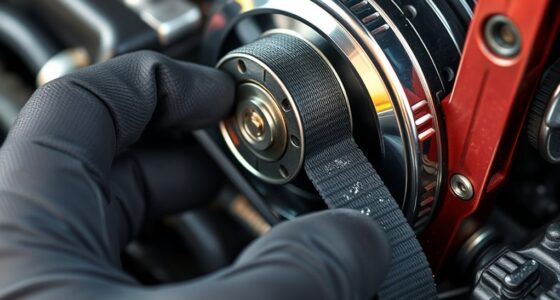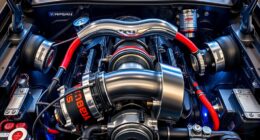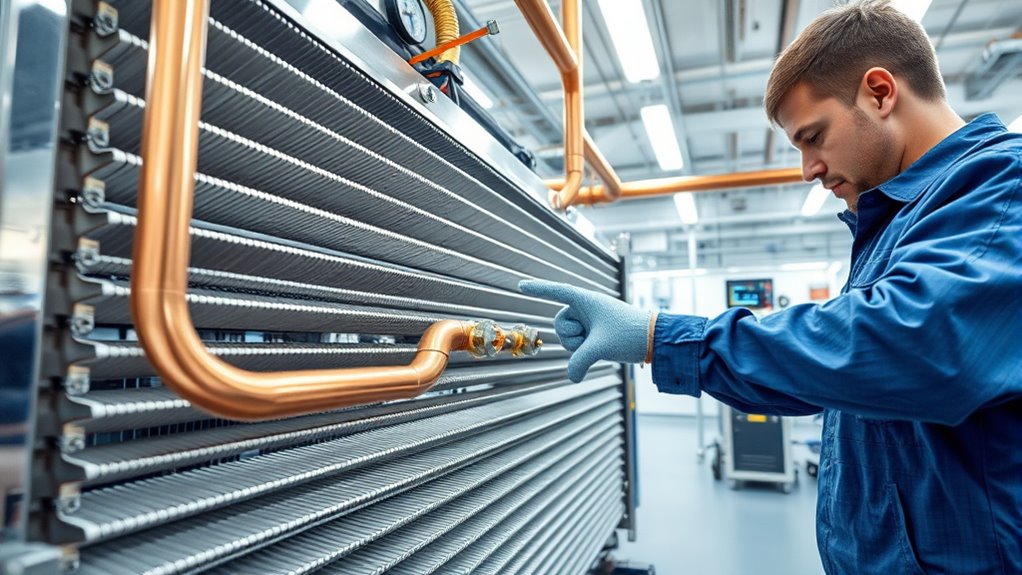

To maintain your hybrid cooling system, regularly inspect hoses, radiator, and cooling fans for leaks, corrosion, or damage. Make certain filters are clean and replace them as needed to optimize heat transfer. Check refrigerant levels with gauges and top up if low, preventing strain on the system. Also, replace coolant at recommended intervals to avoid overheating. Keeping up with these tasks helps prolong your system’s life and keeps your vehicle running smoothly—continue for more tips.
Key Takeaways
- Regularly inspect for leaks, corrosion, or damage in hoses, radiator, and cooling fan components.
- Monitor and replace air and coolant filters to ensure efficient heat transfer and system performance.
- Check refrigerant levels periodically and top up if necessary to prevent system strain.
- Replace coolant at manufacturer-recommended intervals to maintain optimal cooling efficiency.
- Conduct routine visual and operational assessments to detect early signs of overheating or component failure.
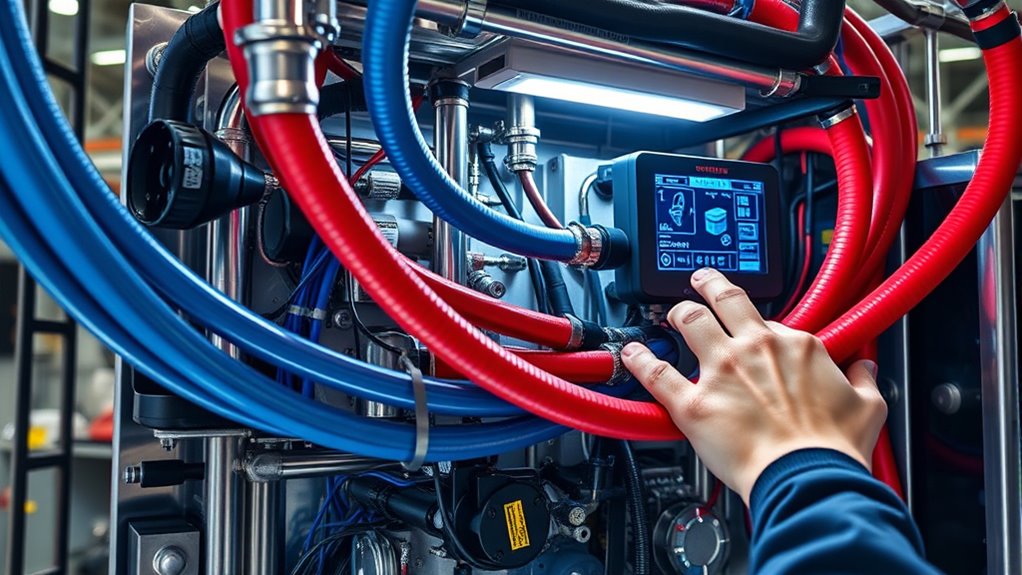
Maintaining a hybrid cooling system is essential to guarantee its efficiency and longevity. When you prioritize regular maintenance, you help prevent costly repairs and ensure your vehicle runs smoothly. One of the most critical steps in this process is performing a thorough cooling system inspection. During this inspection, you should check for any signs of leaks, corrosion, or damaged hoses. These issues can compromise the system’s ability to regulate temperature effectively. Additionally, inspecting the radiator and cooling fan ensures they are free of debris and functioning properly. Keeping these components in good condition allows heat to dissipate efficiently, which is vital for both the engine and the hybrid system’s battery cooling. Monitoring filtration systems, such as air filters and coolant filters, can further enhance system performance and lifespan.
Another key aspect of maintenance involves refrigerant level checks. Proper refrigerant levels are crucial for the air conditioning system to operate optimally, especially in a hybrid vehicle where energy efficiency is a priority. If the refrigerant is low, the system has to work harder to cool the cabin, which can drain the battery faster and lead to increased wear on the compressor. To prevent this, you should periodically check the refrigerant levels and top them up if necessary. This process typically involves connecting a gauge to the system and measuring the pressure to ensure it aligns with the manufacturer’s specifications. If you notice a significant drop in refrigerant levels, it might indicate a leak that needs professional attention.
Regularly scheduling cooling system inspections and refrigerant level checks doesn’t just improve comfort; it also enhances the overall performance of your hybrid vehicle. When you catch issues early, you reduce the risk of overheating, which can cause severe damage to engine components and battery systems. It’s also advisable to replace the coolant at intervals specified by your vehicle’s manual, as old or contaminated coolant can diminish heat transfer efficiency. During these maintenance routines, don’t forget to examine the coolant reservoir and ensure it’s filled to the recommended level.

Orion Motor Tech Coolant Vacuum Refill Kit, 13pc Radiator Cooling System Tool Set with Conical Adapter 4 Round Adapters for Leak Detection Cooling Refill, Vacuum Coolant Fill Kit with Hose, Black
Cut Down Refill Time: Orion Motor Tech's 13 pc. coolant vacuum refill kit fills your system in just…
As an affiliate, we earn on qualifying purchases.
As an affiliate, we earn on qualifying purchases.
Frequently Asked Questions
How Often Should Hybrid Cooling Systems Be Inspected?
You should inspect your hybrid cooling system at least twice a year, following recommended maintenance schedules. Inspection frequency depends on environmental conditions and system usage, so more frequent checks may be necessary if you notice issues like leaks or strange noises. Regular inspections ensure peak performance, prevent costly repairs, and extend system lifespan. Stay proactive with maintenance to keep your hybrid cooling system running smoothly and efficiently all year round.
Are There Specific Warning Signs Indicating System Failure?
A stitch in time saves nine. If you notice warning signs like unusual noises, leaks, or sudden temperature spikes, don’t ignore them—these could signal system failure. Pay close attention to decreased cooling efficiency or strange smells, as they’re often early indicators. Addressing warning signs promptly helps prevent costly repairs and keeps your hybrid cooling system running smoothly. Stay vigilant, and act quickly to avoid bigger problems down the line.
Can Hybrid Cooling Systems Be Repaired On-Site?
Yes, hybrid cooling systems can be repaired on-site. You can perform remote diagnostics to identify issues quickly, which helps determine if component replacement is necessary. Skilled technicians can address common problems directly at your location, ensuring minimal downtime. Regular inspections and prompt repairs keep your system running efficiently. Trust in on-site repairs to maintain peak cooling performance, saving you time and avoiding costly system shutdowns.
What Are the Latest Advancements in Hybrid Cooling Technology?
You’ll find that latest advancements in hybrid cooling technology focus on renewable integration and boosting energy efficiency. New systems now seamlessly combine renewable energy sources like solar or wind with traditional cooling methods, reducing reliance on fossil fuels. These innovations help you lower operational costs while minimizing environmental impact. Enhanced sensors and smart controls optimize performance, ensuring your hybrid cooling system operates more efficiently and sustainably, keeping your facility eco-friendly and cost-effective.
How Do Climate Conditions Affect Hybrid Cooling System Maintenance?
Oh, climate conditions don’t matter, right? Think again. They seriously influence hybrid cooling system maintenance. Extreme heat or cold requires climate adaptation, affecting how often you schedule maintenance. High humidity can cause corrosion, while freezing temps might lead to system blockages. So, you’ll need to adjust your maintenance scheduling accordingly, staying ahead of climate impacts. Ignoring these factors could lead to costly repairs and system failures.

Orion Motor Tech AC Gauge Set, 3-Way AC Manifold Gauge Set for R12 R134a R502 R22 Refrigerant with 5 ft. Hoses, Automotive A/C Gauge with R134a Couplers Self-Sealing & Piercing Can Taps 29° Adapter
Complete AC Gauge Set: Orion Motor Tech's 3-way manifold gauge set includes 5 ft. hoses, R134a couplers, 29°…
As an affiliate, we earn on qualifying purchases.
As an affiliate, we earn on qualifying purchases.
Conclusion
Regular maintenance of your hybrid cooling system keeps it running efficiently and extends its lifespan. Don’t think it’s too complicated or costly—you’ll save money in the long run by preventing major repairs. Stay proactive with routine checks, cleanings, and timely repairs. This way, you’ll enjoy reliable cooling all year round without unexpected breakdowns. Keep your system in top shape, and you’ll stay comfortable without stressing over costly emergencies.

EPAuto Spill Proof Radiator Coolant Filling Funnel Kit
Allows color matching of caps for dedicated adapters.
As an affiliate, we earn on qualifying purchases.
As an affiliate, we earn on qualifying purchases.
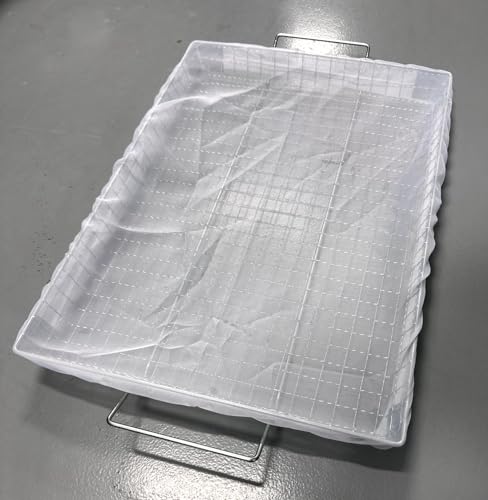
OFUNPARRTS 3 Pack Chip Tray Filter Replacement for Haas Machine Tool
Includes 3 filter.
As an affiliate, we earn on qualifying purchases.
As an affiliate, we earn on qualifying purchases.