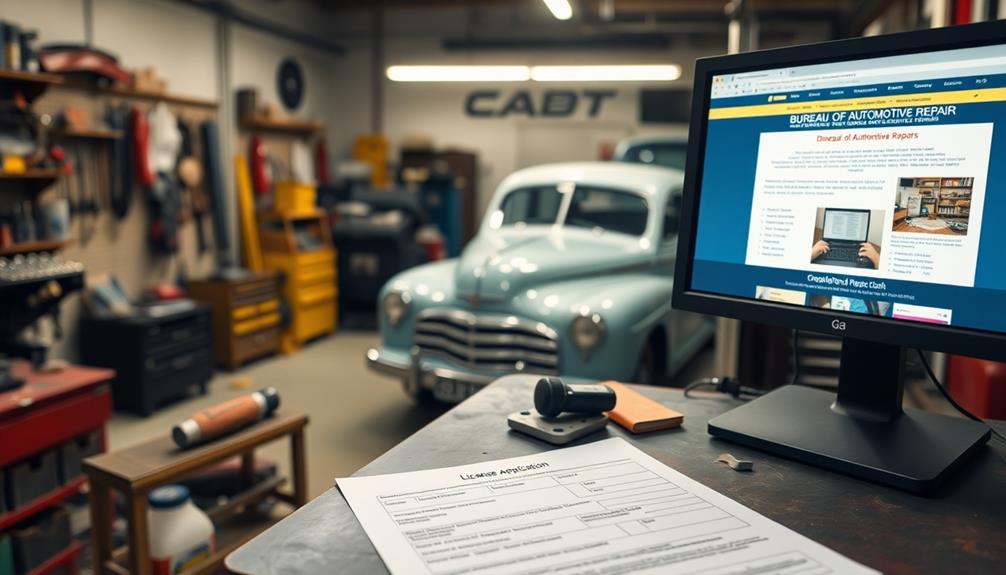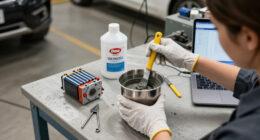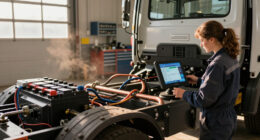
In auto shops, hazardous waste includes leftover paints, used chemicals, and contaminated materials like used brushes and spill cleanup supplies. Proper disposal involves using designated containers, labeling them clearly, and coordinating with licensed disposal services. You should never pour chemicals into drains or onto the ground. Keeping spill kits handy and following safety procedures helps prevent accidents. Continuing will reveal how to handle these wastes safely and stay compliant with regulations.

Get business pricing on garage and car supplies
- Business-only prices and quantity discounts
- Tax-exempt purchasing
- Multiple users, one account, clear invoices
Key Takeaways
- Auto shops generate hazardous waste such as paint residues, oils, solvents, and contaminated protective gear.
- Improper disposal risks environmental contamination, water pollution, and health hazards for workers and communities.
- Use designated hazardous waste containers, label them clearly, and coordinate with licensed disposal services.
- Keep spill response kits accessible; wear protective gear and contain spills to prevent environmental spread.
- Maintain records, train staff on safety procedures, and ensure proper storage to comply with regulations.
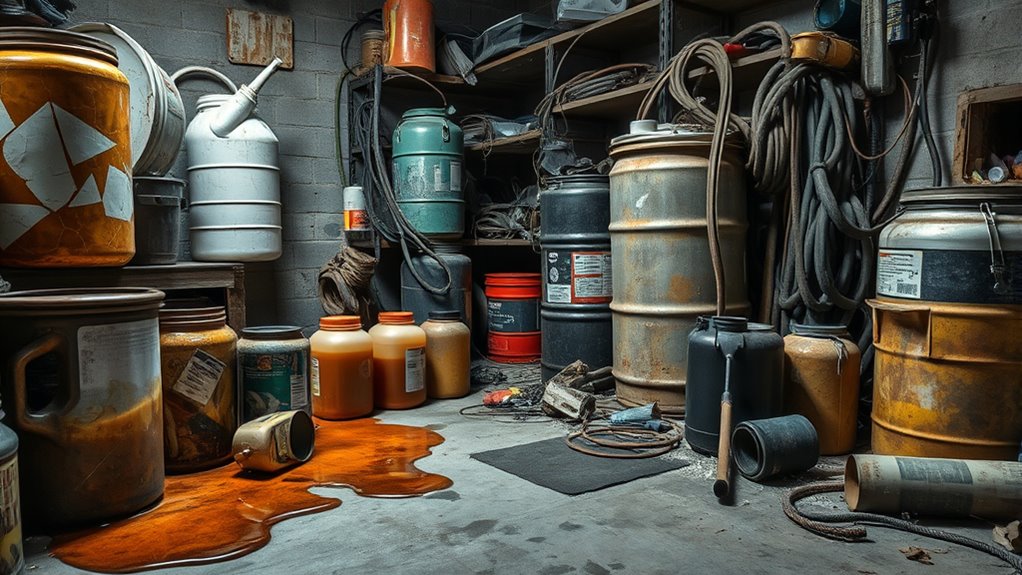
Auto shops generate a significant amount of hazardous waste that can pose serious health and environmental risks if not managed properly. One of the most common types of waste you’ll encounter is paint waste. Whether you’re doing touch-ups or full-body repainting, improper paint disposal can release harmful chemicals into the environment. Leftover paint, used brushes, and empty cans contain volatile organic compounds (VOCs) and heavy metals that can contaminate soil and water sources if tossed out with regular trash. To prevent this, you need to follow proper disposal procedures, such as using designated hazardous waste containers and coordinating with licensed disposal services. Never pour leftover paint down the drain or onto the ground, as this can lead to groundwater contamination and pose health risks to workers and nearby communities.
Spill cleanup is another critical aspect of managing hazardous waste in auto shops. Accidents happen, whether it’s a sudden spill of oil, coolant, or cleaning solvents. When spills occur, quick and effective cleanup is essential to minimize exposure and environmental damage. You should always have spill kits readily available, equipped with absorbent materials, protective gear, and disposal bags. When cleaning up a spill, wear gloves, goggles, and respirators if necessary, and ensure you contain the spill to prevent it from spreading further. Use the absorbents to soak up the hazardous liquid and carefully transfer the contaminated materials into appropriate containers for disposal. Never attempt to wash spills into drains or stormwater systems, as this can lead to widespread contamination. Proper spill cleanup not only protects your health but also ensures compliance with environmental regulations.
Both paint disposal and spill cleanup require a clear understanding of hazardous waste handling regulations. You must label all waste containers properly, store them in secure areas away from children or unauthorized personnel, and keep detailed records of waste generated and disposed of. Training your staff on these procedures helps prevent accidental releases and promotes a safety-first culture in your shop. Regular inspections of waste storage areas and spill response kits ensure everything is in place and ready when needed. By taking these precautions seriously, you reduce the risk of costly fines, environmental damage, and health issues that can arise from mishandling hazardous waste. Managing hazardous waste responsibly isn’t just about complying with the law; it’s about safeguarding your workers, your community, and the environment from preventable harm.
hazardous waste disposal containers for auto shops
As an affiliate, we earn on qualifying purchases.
As an affiliate, we earn on qualifying purchases.
Frequently Asked Questions
How Can Auto Shops Reduce Hazardous Waste Generation?
To reduce hazardous waste generation, you should focus on waste reduction strategies and chemical substitution. Implement practices like recycling used fluids and filters, and choose environmentally friendly products that produce less hazardous waste. Train your staff on proper handling and disposal to prevent spills and leaks. Regular maintenance and inventory management also minimize waste. By adopting these steps, you not only cut waste but also promote a safer, greener auto shop environment.
What Are the Legal Penalties for Improper Hazardous Waste Disposal?
Remember, “A stitch in time saves nine.” If you violate disposal regulations, you risk steep legal penalties, including hefty fines and potential jail time. Disposal violations can lead to costly cleanup efforts and damage your business reputation. Authorities monitor hazardous waste management closely, so staying compliant is vital. Don’t underestimate the importance of proper disposal; the legal penalties for improper hazardous waste disposal hit hard and can follow you for years.
Are There Eco-Friendly Alternatives to Traditional Automotive Chemicals?
Yes, you can opt for eco-friendly lubricants and biodegradable cleaners as greener alternatives to traditional automotive chemicals. These products reduce environmental impact by breaking down more easily and emitting fewer harmful substances. Switching to eco-friendly options helps you minimize hazardous waste, protect local ecosystems, and stay compliant with regulations. Making this change demonstrates your commitment to sustainability while maintaining effective automotive care.
How Often Should Auto Shops Conduct Hazardous Waste Training?
You should conduct hazardous waste training at least annually to stay compliant with hazardous waste regulations and make certain employee safety. Regular training helps your team understand proper handling, storage, and disposal procedures, reducing the risk of accidents and violations. Keep documentation of all sessions, and update training as regulations evolve. Consistent education fosters a safer work environment and demonstrates your commitment to responsible waste management.
What Are the Most Common Mistakes in Hazardous Waste Management?
It’s ironic how auto shops often overlook proper waste storage and spill prevention, leading to costly mistakes. You might think short-term fixes are enough, but neglecting spill prevention causes hazardous waste to escape, risking contamination and fines. Common errors include improper labeling, overfilling storage containers, and ignoring cleanup protocols. Staying vigilant with waste storage practices and spill prevention measures helps you avoid these costly, dangerous mistakes and keeps your shop compliant and safe.
Conclusion
So, next time you’re neck-deep in oil and oil filters, remember you’re sitting on a goldmine of hazardous waste—because who doesn’t love a little toxic thrill? Just a heads-up: tossing that used solvent or old battery into the trash isn’t just bad luck, it’s bad news. But hey, why bother with proper disposal when you can gamble with health, the environment, and maybe even your license? After all, what’s life without a little risk?
Halloween Picks
halloween
As an affiliate, we earn on qualifying purchases.