
Installing aftermarket accessories without proper wiring or fuse protection can cause electrical problems, including battery drain, blown fuses, and system malfunctions. If accessories draw too much power or aren’t connected directly to a suitable power source, they can weaken your battery over time or trip circuit breakers. Incorrect installation or incompatible components may also lead to long-term damage. To prevent these issues, it’s important to follow best practices—keep exploring to learn how to protect your vehicle.
Key Takeaways
- Improper wiring or installation of accessories can disrupt vehicle electrical flow, causing malfunctions.
- Excessive power demand from aftermarket devices may overload the system, leading to blown fuses or battery drain.
- Accessories not connected to dedicated circuits or lacking proper fuses increase the risk of electrical issues.
- Short circuits or incorrect fuse ratings can cause fuses to blow repeatedly, damaging the electrical system.
- Poorly installed or incompatible accessories can weaken the battery over time, resulting in electrical failures.

Many car owners add aftermarket accessories to enhance their vehicles, but these modifications can sometimes cause electrical problems. You might notice your car’s battery draining faster than usual or find yourself repeatedly replacing blown fuses. These issues often stem from improper installation or incompatible components that disrupt your vehicle’s electrical system. Understanding how aftermarket accessories can lead to battery drain and fuse blowing helps you troubleshoot and prevent future problems.
Aftermarket accessories can cause electrical issues like battery drain and blown fuses when improperly installed.
When you install new devices like amplifiers, additional lighting, or dash cams, they draw power from your vehicle’s electrical system. If these accessories aren’t properly wired or if their power demands exceed what your system can handle, you may experience battery drain. This results in your battery losing its charge more quickly, especially if the accessory draws power even when the vehicle is off. Over time, this can cause your battery to weaken, leaving you stranded with a dead battery that needs jump-starting or replacement. To avoid this, you should verify that accessories are wired directly to a suitable power source and that they have their own dedicated fuse or circuit breaker.
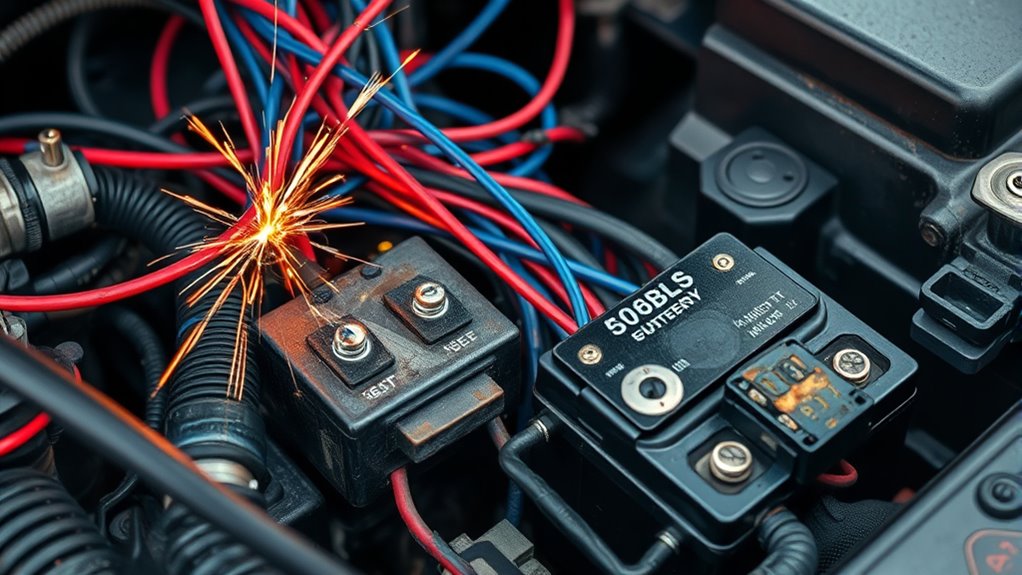
Fuses play a vital role in protecting your vehicle’s wiring from overloads. When an aftermarket device draws more current than the fuse can handle, the fuse blows to prevent damage to the wiring. Frequent fuse blowing is a clear sign that something isn’t right. It could mean the accessory isn’t rated correctly for your car’s electrical system, or there’s a short circuit somewhere in the wiring. If you find yourself replacing fuses often, it’s a good idea to double-check the installation instructions, verify fuse ratings, and inspect the wiring for any damage or loose connections. Using the correct fuse size is essential because a fuse that’s too small may blow unnecessarily, while one that’s too large risks damaging your vehicle’s wiring.
To prevent electrical issues caused by aftermarket accessories, always do your research before installing new equipment. Make sure your accessories are compatible with your vehicle’s electrical system and follow installation instructions carefully. Consider consulting a professional if you’re unsure about wiring or fuse ratings, as improper connections can lead to persistent battery drain and fuse blowing. Regularly inspecting your electrical system and monitoring your battery’s health can catch potential problems early. Additionally, understanding the importance of projector compatibility can help ensure your modifications do not interfere with your vehicle’s electrical integrity. This proactive approach helps you enjoy your upgraded vehicle without the frustration of electrical failures or costly repairs later on.

WINAMOO Automotive Test Light with 3-48V LED Digital Voltage Display, Auto Circuit Tester with Voltmeter & Dual Color Polarity Indicate, Electric Test Pen w/Stainless Probe for Car/Truck/SUV Checker
【PRECISE READOUTS & CLEAR DIGITAL DISPLAY】Bright LED display shows highly clear readings in any lighting condition, 0.1V resolution…
As an affiliate, we earn on qualifying purchases.
As an affiliate, we earn on qualifying purchases.
Frequently Asked Questions
How Can I Identify if My Aftermarket Accessory Is Causing Electrical Problems?
You can tell if your aftermarket accessory is causing electrical problems by checking if a fuse keeps blowing or if you notice wiring corrosion around the connection points. Inspect the wiring for any signs of damage or corrosion, and see if removing or disconnecting the accessory stops the issues. If the fuse stops blowing and corrosion disappears, it’s likely that the accessory is causing the problem.
Are There Specific Brands of Aftermarket Accessories That Are Safer?
Some brands are safer because they have a strong reputation and hold relevant product certifications, guaranteeing quality and safety standards. You should look for brands known for reliable, well-tested products, and check if their accessories meet certifications like CE, UL, or ISO. Avoid unfamiliar or cheap options, as they often lack proper testing. Prioritize trusted brands with positive reviews to reduce the risk of electrical issues and ensure compatibility with your vehicle.
What Tools Do I Need to Diagnose Electrical Issues Caused by Accessories?
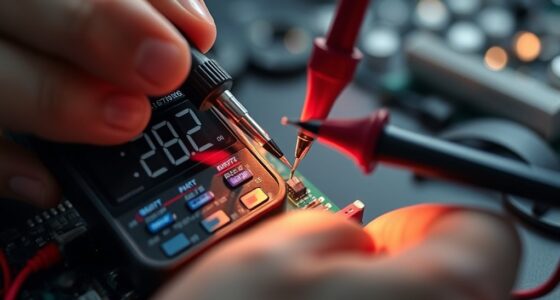
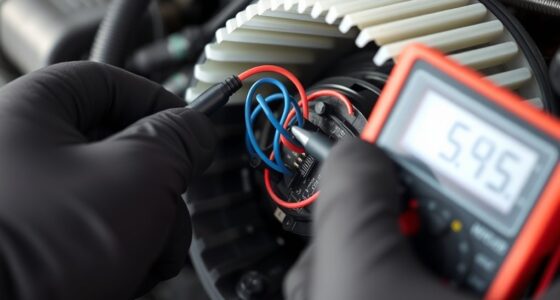
Did you know that nearly 60% of electrical problems stem from faulty wiring? To diagnose issues caused by accessories, you’ll need a multimeter for testing voltage, continuity, and resistance, along with a wiring inspection tool like a flashlight and wire strippers. Start by checking connections and testing circuits with your multimeter. Carefully inspect wiring for damage or corrosion, ensuring all connections are secure and functioning properly.
Can Faulty Wiring From Accessories Damage My Vehicle’s Main Electrical System?
Yes, faulty wiring from accessories can damage your vehicle’s main electrical system. A ground loop caused by improper wiring or a damaged wiring harness can create voltage spikes, risking component failure. If the wiring isn’t installed correctly or if the ground connection is poor, it may lead to shorts or electrical fires. Always verify your wiring is properly grounded and inspected regularly to prevent damage to your vehicle’s core electrical system.
How Often Should I Inspect Aftermarket Accessories for Potential Electrical Issues?
You should perform regular inspections of your aftermarket accessories at least every three to six months. During these checks, focus on wiring checks to spot any signs of wear, fraying, or loose connections. Regular inspections help catch potential electrical issues early, preventing damage to your vehicle’s main system. Always make certain wiring is secure and free from corrosion, and address any problems promptly to keep your vehicle running smoothly.

Universal 21 Circuit Wiring Harness Kit, Universal Extra Long Wire 21 Circuit Wiring Harness Standard Color 17 Fuses for GM Chevy Chrysler Dodge Ford Hotrods Plymouth Mopar Mercury Ratrods
Tip1:There are significant differences in wiring positions among different vehicle models, years, and configurations. Please send us your…
As an affiliate, we earn on qualifying purchases.
As an affiliate, we earn on qualifying purchases.
Conclusion
So, next time you add that shiny aftermarket accessory, remember it might just be the unexpected culprit behind your electrical troubles. Sometimes, a simple upgrade can coincide with a sudden glitch, making you wonder if fate is playing tricks. Keep an eye on those connections and stay vigilant—what seems like a coincidence could be your vehicle’s way of telling you something’s off. Ultimately, a little caution can save you from bigger headaches down the road.

NOCO GENIUS1: 1A 6V/12V Smart Battery Charger – Automatic Maintainer, Trickle Charger & Desulfator with Overcharge Protection & Temperature Compensation – for Lead-Acid & Lithium Batteries
MEET THE GENIUS1 — Similar to our G750, just better. It's 35% smaller and delivers over 35% more…
As an affiliate, we earn on qualifying purchases.
As an affiliate, we earn on qualifying purchases.

2 PCS Inline Fuse Holders 12V, 16 AWG Car Gauge Inline Fuses, Waterproof Fuse Holder with 15A ATC/ATO Standard Blade Fuses for Automotive, Marine, Golf Cart Lighting, Electrical Circuits
16 Gauge Wire: 12V fuse holder wire is 16 AWG wire with 15A blade fuse, the overall length…
As an affiliate, we earn on qualifying purchases.
As an affiliate, we earn on qualifying purchases.