

Mentoring apprentices in the shop involves actively guiding them through skill development while emphasizing safety at every step. You should demonstrate proper techniques, reinforce safety protocols, and encourage questions to build confidence. Engaging them in hands-on tasks under supervision helps reinforce learning and promotes responsible habits. Recognizing their progress keeps motivation high. Continuing with these approaches will help you create a safe, efficient environment where apprentices grow with pride and competence.
Key Takeaways
- Demonstrate proper safety protocols and reinforce PPE use to ensure a safe working environment.
- Break tasks into manageable steps, demonstrating each and encouraging questions to facilitate learning.
- Engage apprentices in hands-on activities, guiding correct techniques and addressing mistakes as learning opportunities.
- Maintain open communication, regularly reinforcing safety procedures and recognizing progress to motivate apprentices.
- Foster a growth mindset by providing constructive feedback and creating pride in craftsmanship and safety practices.
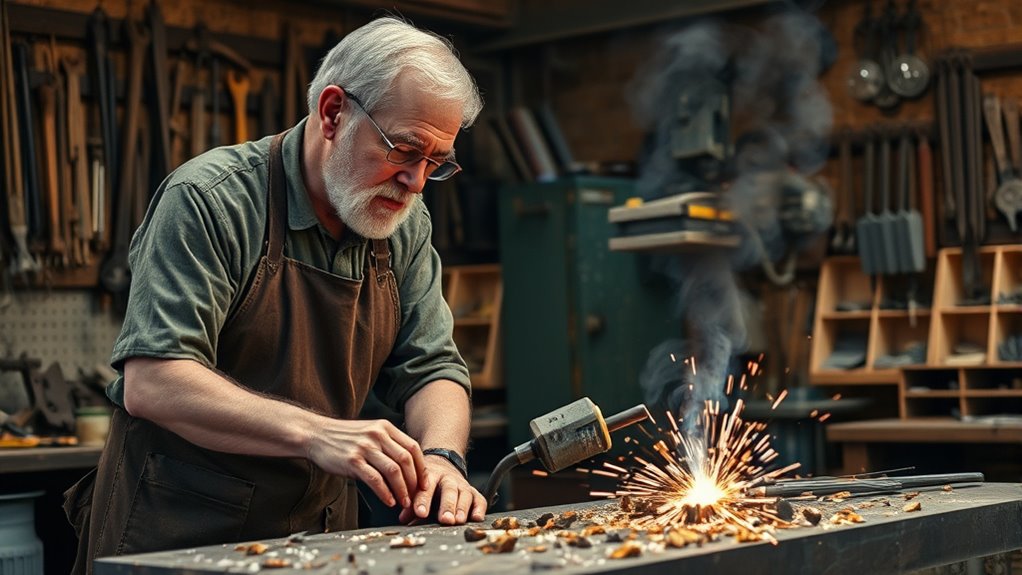
Mentoring apprentices in the shop is essential for passing down skills and ensuring safety and quality in every project. As a mentor, your role involves not only teaching technical skills but also instilling a strong understanding of safety procedures. When you demonstrate proper safety protocols, you set a standard that apprentices will follow, reducing the risk of accidents and creating a safer work environment. Emphasize the importance of wearing personal protective equipment, correctly operating tools, and understanding emergency procedures from the start. Making safety a core part of your instruction helps apprentices develop responsible habits that last throughout their careers. Incorporating proper fan installation techniques into your training can further enhance safety and efficiency in the workspace.
Mentoring apprentices ensures safety, skill development, and quality craftsmanship in every project.
Skill development is at the heart of effective mentoring. You want your apprentices to gain confidence and competence, which requires a structured approach. Break down tasks into manageable steps, and demonstrate each step clearly. Encourage questions and provide constructive feedback, so they can learn from their mistakes without risking safety or damaging materials. As they practice, challenge them with progressively more complex projects, which helps build their technical ability and problem-solving skills. Remember, patience is key—some skills take time to master, and your support can make a significant difference in their progress.
Active involvement is critical when mentoring apprentices. Instead of simply instructing, engage them in hands-on activities. Let them handle tools under your supervision, guiding them through proper techniques and safety procedures. This active participation not only accelerates learning but also reinforces the importance of safety in everyday tasks. When an apprentice makes a mistake, use it as a teaching moment rather than criticism. Explain what went wrong, how to correct it, and how to prevent similar issues in the future. This approach encourages a growth mindset and helps apprentices develop a sense of ownership over their work and safety.
Furthermore, effective mentoring involves clear communication. Be approachable, and create an environment where apprentices feel comfortable asking questions or voicing concerns. Reinforce safety procedures regularly, especially before starting new tasks, and keep safety top of mind. Recognize their efforts and improvements, which boosts confidence and motivation. When apprentices see that safety and skill development are priorities, they’re more likely to adopt best practices and take pride in their work.
In essence, mentoring apprentices in the shop is about guiding them to become skilled, responsible craftspeople. By emphasizing safety procedures, fostering skill development, and providing consistent, supportive feedback, you’re shaping not only their technical abilities but also their professional character. Your mentorship creates a foundation for a safe, efficient, and high-quality workspace where new talent can thrive and carry forward the values of craftsmanship.
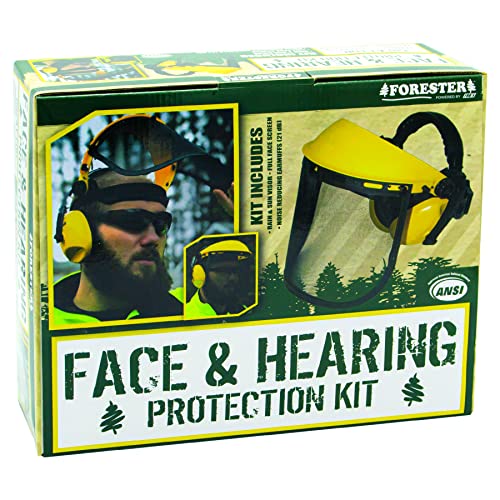
FORESTER Face Protection Equipment Kit – Visor Face Shield Ear Muffs Personal Protective Equipment Safety Gear Landscaping Tools Masks for Construction Workers Yard Work Accessories – Black and Yellow
- Complete Protective Gear Set: Face shield, visor, and ear muffs included
- Multi-purpose Construction Visor: Ideal for yard work and landscaping
- Adjustable Ratchet Suspension: Ensures secure and comfortable fit
As an affiliate, we earn on qualifying purchases.
As an affiliate, we earn on qualifying purchases.
Frequently Asked Questions
How Do I Handle Conflicts Between Apprentices?
When conflicts arise between apprentices, you should promote peer collaboration and facilitate open conflict resolution. Encourage them to express their concerns calmly and listen actively to each other’s perspectives. Guide them towards finding common ground and solutions that benefit everyone. Remain neutral, set clear expectations for respectful communication, and foster a positive environment. By doing so, you help apprentices develop essential teamwork skills and maintain a harmonious shop atmosphere.
What Safety Protocols Should Mentors Emphasize?
You should emphasize the importance of wearing personal protective equipment, as studies show 70% of shop injuries involve safety gear being overlooked. Make sure apprentices understand emergency procedures thoroughly, so they react quickly and correctly if an accident occurs. Reinforce that safety isn’t just rules but a habit. Regularly review protocols, ensure PPE is accessible, and foster a safety-first mindset to keep everyone protected and confident in the shop.
How Do I Motivate Reluctant Apprentices?
You can motivate reluctant apprentices by focusing on team building and skill development. Show them how their progress benefits the team and boosts their confidence. Offer small, achievable goals to build a sense of accomplishment. Encourage open communication and listen to their concerns. By creating a supportive environment, you’ll inspire them to engage more actively, realizing that their growth and contributions are essential to the team’s success.
What Are Effective Methods for Assessing Apprentice Progress?
You can assess apprentice progress effectively by using performance metrics and skill assessments regularly. Observe their hands-on work, ask for self-evaluations, and review their ability to follow safety protocols. Keep detailed records of their improvements and areas needing growth. Conduct periodic evaluations to compare against benchmarks, and provide constructive feedback. This approach helps you identify strengths and gaps, ensuring continuous development and confidence in their skills.
How Can I Tailor Mentorship to Different Learning Styles?
Imagine walking into your shop, knowing each apprentice’s eyes light up differently. To tailor mentorship, start with a learning style assessment, discovering whether they thrive through hands-on, visual, or auditory methods. Use this insight to craft personalized instruction, ensuring each apprentice engages effectively. By adapting your approach, you open their potential, making every lesson impactful and keeping them motivated as they master new skills.
Conclusion
Mentoring apprentices isn’t just about passing down skills—it’s about shaping the next generation. Did you know that companies with strong mentorship programs see 20% higher productivity? When you invest your time and wisdom, you’re not only helping apprentices grow but also strengthening your shop’s future. Embrace this opportunity to inspire and guide; your impact can last a lifetime, creating a legacy of craftsmanship and community.