To clean your MAF sensor yourself, first locate it between the air filter box and throttle body, then disconnect the negative battery terminal for safety. Carefully disconnect the wiring harness and remove the sensor, avoiding damage. Spray the sensing elements gently with a dedicated MAF sensor cleaner, making sure it dries completely before reinstalling. Reconnect the wiring, reassemble everything, and restart your engine. You’ll find that with proper tools and technique, this simple maintenance can restore your vehicle’s performance—keep going to learn more.
Key Takeaways
- Locate the MAF sensor between the air filter and throttle body before cleaning.
- Disconnect the negative battery terminal and carefully unplug the sensor’s wiring harness.
- Spray the sensor’s sensing elements with a dedicated MAF cleaner, avoiding brushes or cloths.
- Allow the sensor to dry completely before reinstallation to prevent damage.
- Reconnect everything securely, start the engine, and check for improved airflow and performance.
A dirty Mass Air Flow (MAF) sensor can cause your vehicle to run poorly or stall unexpectedly. When the sensor’s surface gets coated with dirt, dust, or oil, it struggles to measure airflow accurately. This misreading disrupts the engine’s air-fuel mixture, leading to rough idling, decreased fuel efficiency, or even engine hesitation. Cleaning your MAF sensor is a simple and cost-effective way to restore proper airflow and guarantee ideal engine performance.
A dirty MAF sensor can cause poor engine performance and stalls. Regular cleaning restores airflow accuracy.
Before you start, it’s essential to understand that the goal is to restore the sensor’s accuracy through careful cleaning, rather than replacing it. When the sensor is clean, it can provide precise data to the engine control unit (ECU), which helps with sensor calibration and airflow optimization. This means your vehicle can maintain the right air-fuel ratio, improving overall efficiency and reducing emissions.
Begin by locating the MAF sensor, usually found between the air filter box and the throttle body. Disconnect the negative terminal of your battery to avoid any electrical issues during cleaning. Next, disconnect the wiring harness from the sensor, taking care not to damage the connector. Remove the sensor from its housing, being gentle to avoid damaging the delicate sensing elements inside.
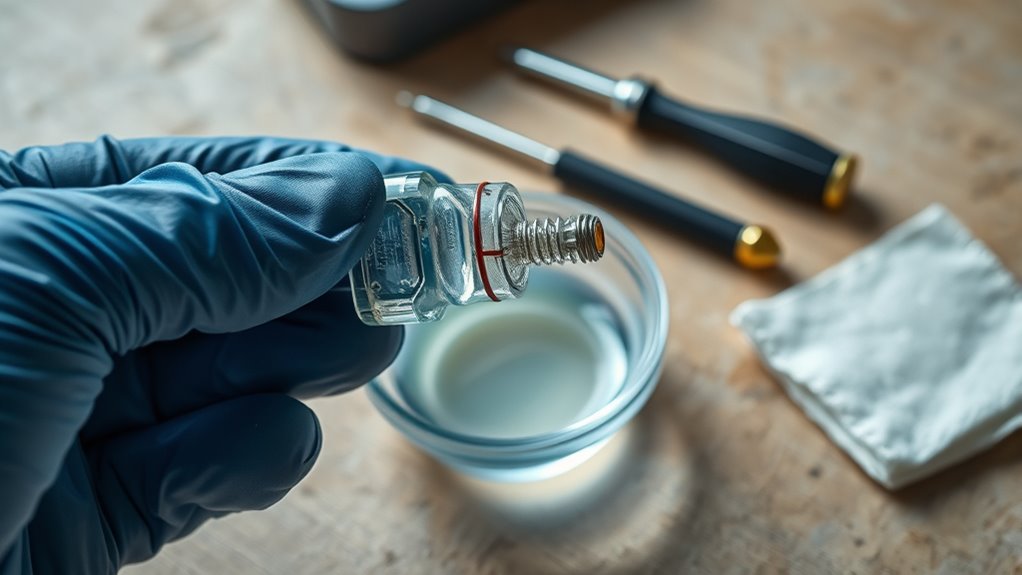
Once you have the sensor out, don’t touch the sensing elements directly. Instead, spray a dedicated MAF sensor cleaner, which is designed to evaporate quickly and leave no residue. Hold the sensor in a well-ventilated area and give it a few sprays, making sure to clean the sensing elements and the surrounding area thoroughly. Avoid using brushes, cloths, or compressed air, as these can damage the sensitive parts.
After cleaning, let the sensor dry completely—this usually takes a few minutes. Once dry, carefully reinstall the sensor into its housing, reconnect the wiring harness, and reattach the air intake tubing. Reconnect the battery terminal last. Once everything is back in place, start your engine and let it idle. The cleaner sensor should now provide more accurate readings, leading to improved airflow regulation.
In many cases, cleaning the MAF sensor can reset any incorrect sensor calibration that might have been causing rough running or poor performance. Regular cleaning every 6 to 12 months, or whenever you notice performance issues, can keep your vehicle running smoothly. Remember, a clean MAF sensor not only boosts airflow accuracy but also prolongs the lifespan of your engine components, saving you money in the long run. Additionally, understanding the importance of Second trimester overview and regular maintenance can contribute to overall vehicle health and performance.
Frequently Asked Questions
How Often Should I Clean My MAF Sensor?
You should clean your MAF sensor every 6 to 12 months, depending on driving conditions. Regular cleaning helps maintain sensor calibration, ensuring your engine runs smoothly. If you notice poor acceleration, rough idling, or check engine lights, it’s time for a cleaning. Using proper cleaning methods and products prevents damage and keeps the sensor functioning accurately. Consistent cleaning frequency can extend the life of your MAF sensor and improve overall vehicle performance.
Can I Clean the Sensor Without Removing It?
You can clean the sensor without removing it by carefully accessing the MAF sensor through the air intake. Use gentle cleaning techniques like a specialized MAF sensor cleaner spray, and avoid touching the delicate wires. However, for a thorough clean and to prevent damage, sensor removal is recommended. Carefully follow the removal instructions, then clean the sensor outside the vehicle for best results.
What Are the Signs of a Faulty MAF Sensor?
You’ll notice your vehicle struggles to accelerate smoothly, stalls, or has poor fuel efficiency—signs of a faulty MAF sensor. It may also cause rough idling or trigger the check engine light due to faulty sensor calibration. Contaminants can interfere with accurate readings, affecting contaminant detection. If these issues appear, it’s time to diagnose and clean or replace your sensor to restore proper engine performance.
Is Using Compressed Air Safe for Cleaning?
They say a little caution goes a long way, and that’s true when using compressed air to clean your MAF sensor. While it can be safe if done properly, you risk sensor damage if you hold the can too close or use excessive pressure. Always use short bursts of compressed air, keep the nozzle at a safe distance, and avoid direct contact. This way, you protect your sensor and keep it functioning properly.
Will Cleaning the MAF Sensor Improve Fuel Efficiency?
Cleaning your MAF sensor can improve fuel efficiency if it’s dirty or contaminated, as a clean sensor provides accurate readings for peak engine performance. Keep in mind, however, that if the sensor isn’t properly calibrated afterward, your fuel economy might not see much change. Regular cleaning helps maintain sensor accuracy, ensuring your engine runs smoothly and efficiently, ultimately saving you money on fuel in the long run.
Conclusion
Cleaning your MAF sensor yourself is simple and cost-effective. Imagine noticing your car’s sluggish acceleration and gas mileage dropping—that’s often a sign of a dirty sensor. By following these steps, you can restore your engine’s performance without expensive repairs. For example, a car owner saved hundreds by cleaning their sensor instead of replacing it. With just a little effort, you keep your engine running smoothly and avoid unnecessary expenses.