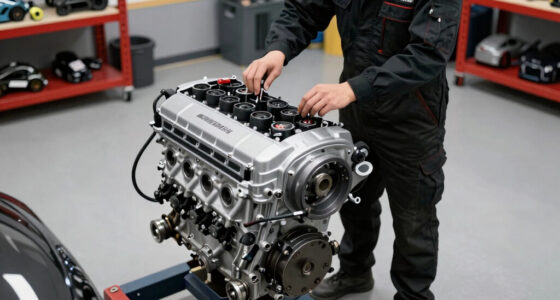

The lifecycle of an automotive part starts with careful design and selection of quality raw materials, then moves through manufacturing methods like casting or forging. Once produced, the parts undergo strict quality control before being assembled into vehicles, where they face stresses like heat and vibration. Over time, they wear out or become obsolete and are replaced, then properly recycled or disposed of. To understand each stage and how quality impacts safety and durability, keep exploring more details.

Get garage and car supplies delivered free — and shop member deals
- Fast, free delivery on millions of items
- Access to Prime Big Deal Days deals on October 6–7
- Prime Video, Amazon Music and more included
Key Takeaways
- The lifecycle begins at the design phase, where material selection and manufacturing processes are determined.
- Quality control measures ensure parts meet specifications and prevent defects before assembly.
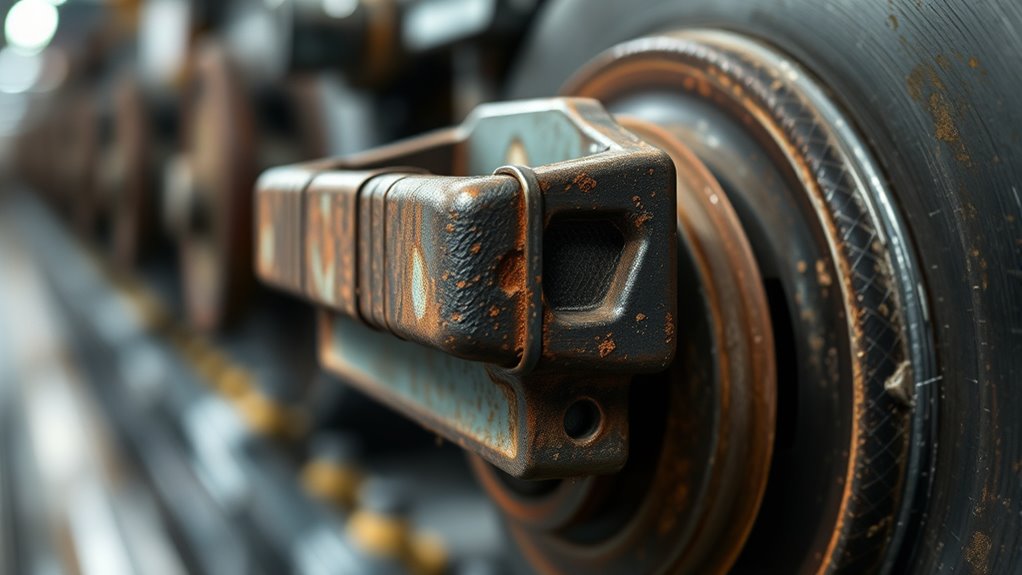
- During operation, parts endure stresses like heat, vibration, and corrosion, affecting their longevity.
- When worn or obsolete, parts are removed, replaced, and properly recycled or disposed of.
- Standards and regulations guide each stage to ensure safety, durability, and environmental compliance.

Understanding the lifecycle of automotive parts is essential for maintaining vehicle performance and safety. From the moment a part is designed, it begins a journey that involves meticulous manufacturing processes and strict quality control measures. These steps ensure that each component meets precise specifications and safety standards before it ever reaches your vehicle. The manufacturing process is the foundation of a durable, reliable part. It typically involves selecting high-quality raw materials, which are then shaped, molded, or machined into the desired form. Advanced techniques like casting, forging, or additive manufacturing might be employed, depending on the part’s function and complexity. During this stage, precision is crucial—any deviation can compromise performance or safety later on. That’s why manufacturers incorporate rigorous quality control protocols throughout the process. Quality control isn’t just a one-time check; it’s an ongoing series of inspections, tests, and measurements designed to catch defects early. These inspections verify dimensions, material integrity, and functionality, ensuring each part adheres to strict standards before moving to the next stage. If any flaws are detected, the part is either reworked or rejected, preventing subpar components from entering the supply chain. This thorough approach minimizes the risk of failures, extends the lifespan of the part, and enhances overall vehicle safety. Once the parts pass quality control, they proceed to assembly, where they are integrated into larger systems. During their operational life, these parts are subjected to various stresses—heat, vibration, corrosion, and wear—highlighting the importance of initial manufacturing quality. A well-made part will perform reliably over years, reducing maintenance costs and preventing breakdowns. Over time, parts will inevitably reach the end of their service life, whether through wear, fatigue, or obsolescence. At this point, they are removed and replaced, often with new components manufactured through the same rigorous process. Proper disposal or recycling of old parts is also part of the lifecycle, ensuring environmental considerations are met. Additionally, current standards and regulations in manufacturing and quality control help ensure that automotive parts meet safety and environmental requirements. By understanding this lifecycle, you recognize the importance of high manufacturing standards and quality control in every component. These factors directly influence your safety, the longevity of your vehicle, and overall driving experience. When you invest in quality parts, you’re not just paying for a component; you’re ensuring reliability and peace of mind over the long term. Every stage, from manufacturing to disposal, plays a vital role in the overall lifecycle, reinforcing the importance of precision and quality at each step.
automotive parts quality control tools
As an affiliate, we earn on qualifying purchases.
As an affiliate, we earn on qualifying purchases.
Frequently Asked Questions
How Do Environmental Factors Affect Automotive Part Durability?
Environmental factors critically impact your automotive part durability. Exposure to moisture and salt can reduce corrosion resistance, leading to rust and deterioration. Temperature fluctuations cause expansion and contraction, stressing the material and potentially causing cracks or fatigue. To maintain durability, make sure your parts are designed or treated to withstand these conditions. Proper maintenance and choosing high-quality materials can help your automotive parts resist environmental damage and extend their lifespan.
What Innovations Are Extending Automotive Part Lifespans?
You’re benefiting from innovations like advanced coatings that protect parts from corrosion and wear, markedly extending their lifespan. Additionally, predictive maintenance uses sensors and data analytics to identify potential issues before they cause failures. These technologies help you avoid costly repairs, optimize part longevity, and keep your vehicle running smoothly longer. Embracing these innovations ensures your automotive parts perform better and last much longer than before.
Can Aftermarket Parts Match OEM Quality Throughout the Lifecycle?
Yes, aftermarket parts can match OEM quality throughout the lifecycle if they meet established aftermarket standards and hold OEM certification. You should look for products with verified certifications, as these guarantee the parts are built to the same rigorous quality and durability standards as original equipment. By choosing certified aftermarket parts, you ensure reliable performance and longevity, often at a more affordable price, without compromising on quality.
How Does Driving Style Influence Part Wear and Tear?
Driving dynamics directly dictate part durability. If you frequently favor aggressive acceleration patterns or harsh handling, you’ll accelerate wear and tear on crucial components. Conversely, careful driving habits, smooth acceleration, and gentle braking preserve parts longer. Pay attention to your driving style, as it influences everything from brake lifespan to engine efficiency. Adjusting your habits can substantially extend the lifespan of your vehicle’s essential parts, saving you money and ensuring safer, smoother rides.
What Are the Cost Implications of Early Part Replacement?
Early part replacement impacts your costs considerably. By conducting a thorough cost analysis, you can weigh the expenses of premature replacement against potential benefits like avoiding costly repairs later. Rushing replacement may increase upfront expenses, but it can prevent larger damage and repair costs down the line. Proper replacement timing helps optimize your budget, ensuring you don’t spend more than necessary while maintaining vehicle safety and performance.
Conclusion
As you journey through the lifecycle of an automotive part, remember it’s like a story unfolding with each chapter—born from raw materials, nurtured through manufacturing, and tested by time. Every wear and tear is a verse, a reminder that even the sturdiest components dance to the rhythm of use. Embrace the cycle, for in its ebb and flow, you find the heartbeat of innovation, resilience, and the endless drive to keep your vehicle—and your journey—alive.
Halloween Picks
halloween
As an affiliate, we earn on qualifying purchases.