
TL;DR

Get business pricing on garage and car supplies
- Business-only prices and quantity discounts
- Tax-exempt purchasing
- Multiple users, one account, clear invoices
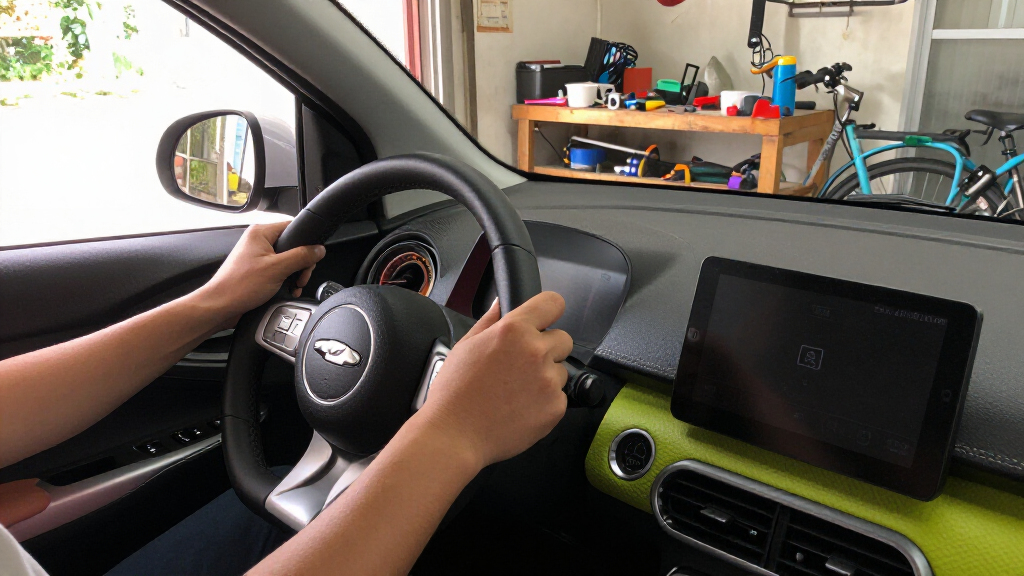
BYD’s new electric kei car was driven on Japanese roads, demonstrating its compatibility with local standards. The test signals potential entry into Japan’s crowded kei car market, though details remain unconfirmed.
BYD’s electric kei car was recently driven on public roads in Japan, marking its first confirmed appearance in the country’s automotive scene. This development is notable because it suggests BYD is testing or preparing to introduce a model tailored to Japanese consumers and regulations. The vehicle’s presence aligns with BYD’s broader global expansion plans and signals potential entry into Japan’s unique kei car market, which is highly regulated and competitive. This development is notable because it suggests BYD is testing or preparing to introduce a model tailored to Japanese consumers and regulations.
Sources indicate that a BYD electric kei car was observed being driven in Japan, though official confirmation from BYD or Japanese authorities has not yet been issued. The vehicle appears to meet kei car specifications, which include strict size, engine capacity, and tax classification standards. Industry analysts note that BYD’s move could be a strategic effort to penetrate Japan’s dense market for small, efficient urban vehicles, which is dominated by domestic automakers like Suzuki, Daihatsu, and Honda. For more context on this market, see our coverage. The test drive was spotted by local observers and shared on social media, sparking increased speculation about BYD’s intentions in Japan. Learn more about BYD’s expansion strategies in our industry overview.While details about the vehicle’s specifications remain limited, it is believed to be an all-electric model designed to fit within the kei car size restrictions—typically no longer than 3.4 meters, with an engine capacity of up to 660cc (or equivalent electric power). The car’s exterior design appears to blend compactness with modern styling, consistent with current kei car trends. Experts suggest that BYD’s entry could challenge existing players by offering a more technologically advanced, possibly more affordable electric option tailored for urban environments.
Potential Impact of BYD’s Entry into Japan’s Kei Market
The appearance of BYD’s electric kei car in Japan is significant because it indicates the automaker’s interest in entering a market that values small, efficient vehicles with tax and insurance benefits. Japan’s kei car segment is highly protected and competitive, with domestic brands holding a strong position. BYD’s move could introduce new competition, especially in the electric vehicle (EV) space, where the country is rapidly adopting cleaner mobility solutions. If successful, BYD’s model could influence market dynamics, encourage innovation among local automakers, and accelerate the adoption of electric kei cars. For consumers, this could mean more choices and potentially lower prices for electric urban vehicles.As an affiliate, we earn on qualifying purchases.
BYD’s Global Expansion and Kei Car Market Trends
BYD has been expanding globally, particularly in markets like Europe, North America, and Southeast Asia, with a focus on electric passenger vehicles. The company has announced plans to develop models tailored for specific markets, including compact EVs suited for dense urban areas. Japan’s kei car market, characterized by its size restrictions and tax advantages, has long been a stronghold for domestic automakers, but recent shifts toward electrification have opened opportunities for new entrants. Historically, foreign automakers have shown limited presence in this segment, mainly due to regulatory and cultural barriers. The recent spotted test drive suggests BYD may be exploring ways to overcome these hurdles and adapt its EV offerings to Japanese standards.Details on Vehicle Specifications and Market Plans Unclear
It is not yet confirmed whether BYD intends to launch this model commercially in Japan or if the test drive was purely a demonstration. Specific technical details, such as battery capacity, range, and pricing, remain undisclosed. Additionally, BYD has not issued any official statements regarding its plans for the Japanese market, and regulatory approval processes are still pending. The extent of local dealer or partnership arrangements also remains unknown.Next Steps in BYD’s Japan Market Strategy
Industry sources expect BYD to evaluate the response to the electric kei car during upcoming test drives and potential regulatory reviews. If the vehicle receives positive feedback and regulatory approval, the company may consider launching a formal marketing campaign or pilot program within Japan. Further official announcements from BYD are anticipated in the coming months, alongside possible demonstrations at local auto shows or industry events. Monitoring government policies on EV incentives and kei car regulations will also be crucial for assessing future market entry timing.Key Questions
Is this BYD’s first electric kei car in Japan?
There is no official confirmation that BYD has previously introduced an electric kei car in Japan. The recent observed test drive appears to be a first public indication of their interest in this segment.
Will BYD sell this electric kei car in Japan?
It is not yet confirmed whether BYD plans to sell the vehicle commercially. The test drive suggests they are exploring the market, but official plans have not been announced.
How does this vehicle compare to existing kei cars?
Based on visual assessment, the vehicle appears to meet kei car size standards, with a modern electric powertrain. Its success will depend on factors like price, range, and local consumer acceptance.
What challenges could BYD face entering Japan’s kei market?
Challenges include regulatory approval, establishing local distribution channels, competing with well-established domestic brands, and convincing consumers to adopt a new foreign electric model.
When might the vehicle be officially launched in Japan?
There is no official timeline yet. If BYD proceeds, a launch could occur within the next 12 to 24 months, depending on regulatory and market response.
Source: rss
Fall Picks
fall essentials
As an affiliate, we earn on qualifying purchases.