TL;DR
Mercedes-Benz has seen a notable rise in global media coverage, with 52 mentions in recent reports, a significant increase from baseline levels. This surge suggests heightened public and industry interest, though the reasons behind it are still emerging.
Mercedes-Benz has experienced a significant increase in global media coverage, with 52 mentions recorded in recent reports, according to the GDELT database. This surge represents an 11-fold increase over its baseline level, indicating heightened public and media interest in the brand.
The recent spike in coverage was identified through the GDELT project, which tracks global news mentions. The 52 reports cover a range of topics, including new vehicle launches, strategic partnerships, and sustainability initiatives. Mercedes-Benz has not officially commented on the surge but appears to be gaining increased attention across multiple regions.
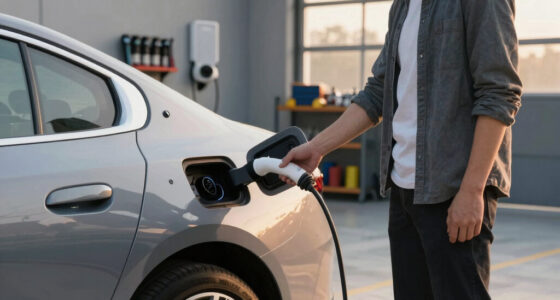
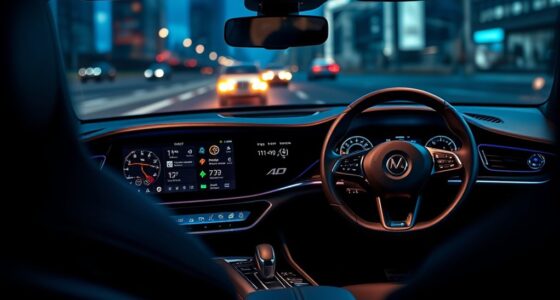
Industry analysts suggest that this heightened coverage may be linked to recent product unveilings, such as new electric vehicle models, and strategic moves in autonomous driving and sustainability. The increase in media attention could influence consumer perception and market positioning, although concrete impacts remain to be seen.
Implications of Mercedes-Benz’s Media Surge for Market Position
The surge in global media coverage underscores Mercedes-Benz’s rising prominence in the automotive industry, especially amid the shift toward electric vehicles and advanced mobility solutions. Increased media attention can enhance brand visibility, attract new customers, and influence investor perceptions. However, whether this coverage translates into tangible sales growth or market share gains remains uncertain at this stage.

ELEMARA Licensed Mercedes-Benz AMG G63 Ride on Toys,Electric Car for Kids W/Parents Control,Electric Powered G Wagon Ride On Truck Toy,Low Battery Prompt,Bluetooth,Flickering Lights/LED Lights, White
- Realistic AMG G63 Replica: Detailed design mimics luxury SUV
- Dual Control for Safety: Parent remote and manual driving modes
- Built-in Entertainment System: Bluetooth, LED headlights, horn sounds
As an affiliate, we earn on qualifying purchases.
As an affiliate, we earn on qualifying purchases.
Recent Trends in Mercedes-Benz Media Presence and Industry Competition
Mercedes-Benz has traditionally maintained steady media coverage, but recent months have seen a marked increase, as reported by the GDELT database. This coincides with the company’s rollout of new electric models and strategic partnerships aimed at autonomous driving technology. Industry competitors are also ramping up their media campaigns, making this surge notable as a potential sign of increased competitive activity.
The automotive sector is currently experiencing a global shift towards electrification and digital mobility, with major brands vying for consumer attention. Mercedes-Benz’s recent media attention may reflect broader industry trends and the company’s efforts to position itself as a leader in future mobility.
“The recent spike to 52 mentions indicates a significant increase in media interest in Mercedes-Benz, representing an 11-fold rise over baseline levels.”
— GDELT Research Team
It remains uncertain whether the recent media surge will lead to increased sales, improved brand perception, or market share gains for Mercedes-Benz. The direct correlation between media coverage and commercial performance has not yet been established, and further data is needed to assess the actual impact.
Monitoring Media Trends and Mercedes-Benz’s Market Performance
Industry observers will continue to track Mercedes-Benz’s media presence and analyze whether the coverage translates into tangible business outcomes. The company’s upcoming product launches and strategic updates may also influence future media attention and market response. Analysts expect to see further data on sales figures and consumer engagement in the coming months.
Key Questions
What caused the surge in Mercedes-Benz media coverage?
The increase appears linked to recent product launches, strategic partnerships, and sustainability initiatives, though no official statement confirms specific reasons.
Is this media surge positive or negative for Mercedes-Benz?
Media attention generally increases brand visibility, but whether it translates into sales or reputation gains depends on the nature of coverage and public reception.
How does Mercedes-Benz compare to competitors in media coverage?
Current data focuses on Mercedes-Benz; comparative analysis with other automakers is ongoing but suggests they are also increasing media activity amid industry shifts.
Will this media attention affect Mercedes-Benz’s stock price?
It is too early to determine the direct impact on stock performance; market reactions depend on broader economic factors and investor perceptions.
Source: gdelt