
TL;DR

Get business pricing on garage and car supplies
- Business-only prices and quantity discounts
- Tax-exempt purchasing
- Multiple users, one account, clear invoices
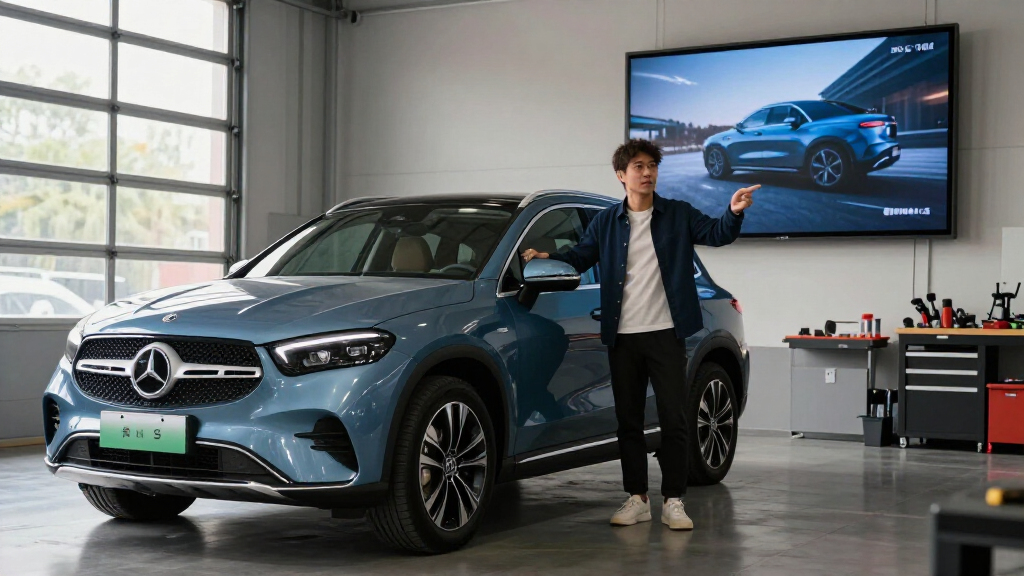
A Chinese electric vehicle manufacturer has launched a campaign that closely mimics Mercedes-Benz’s infamous ad, raising questions about originality and marketing boundaries. The move has attracted mixed reactions from industry observers and consumers.
A Chinese electric SUV manufacturer has released an advertisement that closely mirrors Mercedes-Benz’s most controversial campaign, reigniting debates over marketing ethics and brand influence. The ad’s similarity has drawn both criticism and curiosity, highlighting ongoing tensions in automotive advertising.
The campaign by the Chinese EV brand, whose name has not been officially disclosed, features visuals and messaging strikingly similar to Mercedes-Benz’s 2018 ad, which faced backlash for its provocative imagery and perceived insensitivity. You can learn more about the upcoming Mercedes GLA electric. The new ad appears to replicate the original’s themes, including luxury, status, and a focus on innovation, but with localized Chinese cultural elements.
Mercedes-Benz’s original ad was criticized for its portrayal of gender stereotypes and its aggressive marketing tone. The Chinese brand has not officially responded to accusations of copying, but industry insiders note the similarities are unmistakable. The campaign is currently live across digital platforms and has garnered significant attention online, both positive and negative. For more on electric vehicle trends, visit the Enduring Automotive homepage.
Implications for Marketing Ethics in the Automotive Sector
This development underscores ongoing concerns about originality and ethical boundaries in automotive advertising. The replication of Mercedes-Benz’s controversial ad by a Chinese EV maker raises questions about intellectual property, cultural sensitivity, and the competitive pressures driving brands to mimic successful campaigns. For consumers, it also prompts scrutiny of advertising authenticity and brand integrity.
As an affiliate, we earn on qualifying purchases.
Background on Mercedes-Benz’s 2018 Controversial Campaign
Mercedes-Benz’s ad from 2018 became infamous for its provocative imagery, which many critics argued perpetuated gender stereotypes and used shock tactics to attract attention. Although the campaign aimed to position Mercedes as a bold, innovative luxury brand, it faced widespread criticism from consumer groups and industry watchdogs. The controversy led Mercedes to revise its advertising strategies and highlighted the fine line brands walk between edgy marketing and ethical responsibility.
In recent years, the automotive industry has seen a surge in digital marketing, with brands increasingly adopting bold visuals and messaging to stand out. The Chinese EV manufacturer’s decision to recreate the ad appears to be part of this trend, but also raises questions about originality and respect for intellectual property rights.
Unclear Response from Mercedes-Benz and Regulatory Bodies
It is not yet confirmed whether Mercedes-Benz will formally respond to the imitation or pursue legal action. Additionally, the extent of the Chinese brand’s awareness of the original ad’s controversy remains unclear. Regulatory agencies in China have not issued statements regarding the campaign, and it is uncertain whether the ad will remain live or be modified in response to public criticism.
Next Steps in Industry Response and Potential Legal Actions
Mercedes-Benz may issue a formal statement or pursue legal avenues if they determine the ad infringes on intellectual property rights. The Chinese EV brand could face regulatory scrutiny or public backlash, potentially leading to campaign adjustments or apologies. Industry observers anticipate increased discussions around advertising ethics and intellectual property in the automotive sector in the coming weeks.
Key Questions
Did the Chinese electric SUV company admit to copying Mercedes-Benz’s ad?
The company has not officially acknowledged the similarities or responded to allegations of copying.
Could Mercedes-Benz take legal action over the ad?
It is possible if the ad is found to infringe on intellectual property rights, but no official legal steps have been announced yet.
Why did the original Mercedes-Benz ad cause controversy?
The ad was criticized for perpetuating gender stereotypes and using provocative imagery, which many viewed as insensitive.
What has been the public reaction to the Chinese ad?
The response has been mixed, with some praising the boldness and others criticizing it for lack of originality and ethical concerns.
Will the Chinese brand modify or remove the ad?
It remains unclear; the company has not issued a statement on future actions, and the ad is currently active online.
Source: rss
Halloween Picks
halloween
As an affiliate, we earn on qualifying purchases.