Creating a preventive maintenance schedule helps you keep equipment running smoothly, reducing costly breakdowns and extending its lifespan. Regular tasks like inspections, routine calibrations with tools such as BTU and CADR calculators, and staff training ensure your machines stay within performance standards. Proper scheduling and ongoing education help identify issues early, improve efficiency, and maintain ideal operation. Keep up with best practices to maximize your equipment’s reliability—you’ll find more useful tips as you continue.
Key Takeaways
- Establish regular inspection and calibration routines to detect issues early and prevent costly breakdowns.
- Use calibration tools like BTU and CADR calculators to ensure equipment accuracy and optimal performance.
- Train staff thoroughly on maintenance schedules, calibration procedures, and troubleshooting to promote proactive care.
- Document maintenance activities and calibration results to track equipment performance and identify trends.
- Keep staff updated through ongoing education to adapt to evolving maintenance techniques and maintain operational efficiency.
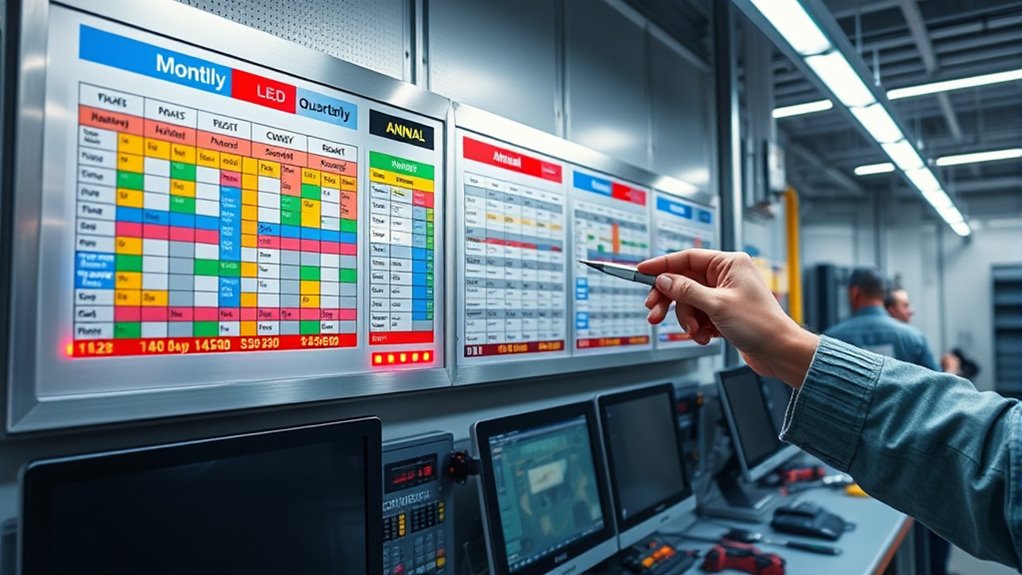
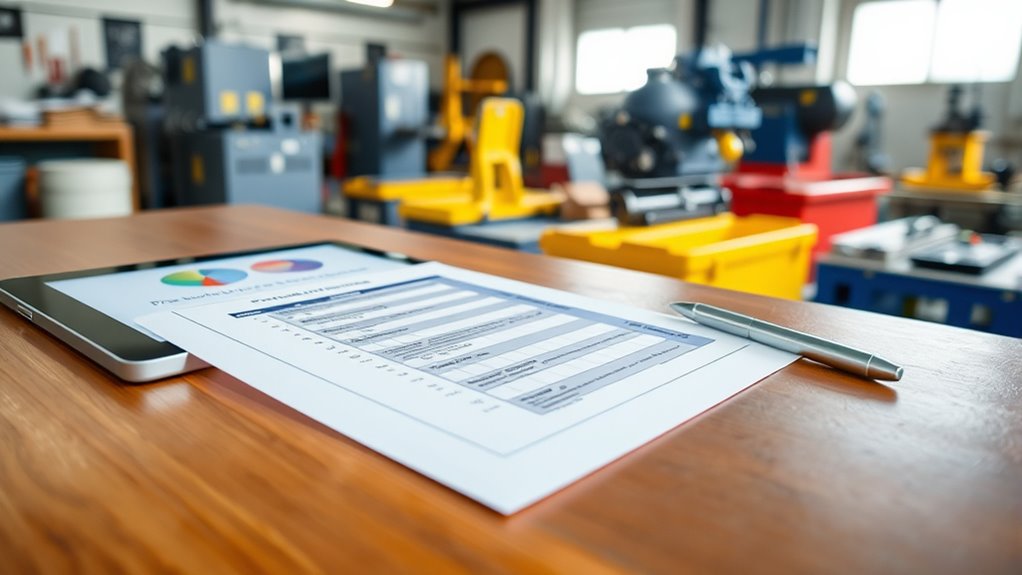
Preventive maintenance schedules are essential for keeping your equipment running smoothly and avoiding costly breakdowns. When you follow a well-structured schedule, you can catch potential issues early, reducing downtime and extending the lifespan of your assets. A key part of this process involves equipment calibration, which ensures that your machines operate within specified tolerances. Regular calibration maintains accuracy, prevents errors, and keeps your equipment performing at peak efficiency. Without proper calibration, you risk producing faulty products or experiencing unexpected failures, which can lead to significant expenses. Scheduling calibration at regular intervals and documenting each session helps you track performance and identify trends that may indicate upcoming problems. Incorporating simple tools like BTU and CADR quick‑calculators into your calibration routines can help you verify that your equipment is operating correctly and efficiently.
In addition to technical maintenance, staff training plays a crucial role in executing your preventive maintenance plan effectively. When your team understands the importance of scheduled tasks, they’re more likely to carry them out diligently. Proper training ensures that everyone knows how to perform routine inspections, identify signs of wear, and execute calibration procedures correctly. Well-trained staff can catch issues early, often before they escalate into major problems, saving you time and money. Furthermore, training fosters a culture of proactive maintenance rather than reactive fixes, which is vital for maintaining operational efficiency.
You should also integrate staff training into your maintenance schedules by establishing regular refresher courses and updates on new procedures or equipment. As technology advances, equipment calibration methods and maintenance techniques evolve, making ongoing education a necessity. When your staff stays current, they can handle calibration more accurately and perform maintenance tasks more efficiently. This reduces the risk of errors, ensures compliance with industry standards, and improves overall safety.
Furthermore, effective training programs empower your team to troubleshoot minor issues on their own, minimizing downtime and reliance on external technicians. They learn to interpret calibration results correctly and understand when to escalate issues for specialized repairs. Combining calibration routines with continuous staff education ensures your maintenance schedule remains robust, adaptable, and aligned with best practices. Ultimately, a well-trained team, equipped with the right knowledge and skills, is your best defense against unexpected equipment failures and costly repairs.
Frequently Asked Questions
How Do I Prioritize Equipment for Maintenance Scheduling?
You should prioritize equipment based on its lifespan and maintenance documentation. Focus on machines nearing the end of their expected life or those with a history of frequent repairs. Review maintenance records to identify patterns and critical assets that impact safety or production. By doing this, you guarantee your maintenance efforts effectively extend equipment life, prevent costly breakdowns, and optimize overall operations.
What Tools Are Best for Tracking Maintenance Activities?
Imagine you’re managing a factory, and a maintenance software like Fiix helps you track activities effortlessly. The best tracking tools are maintenance software that centralize data, automate alerts, and generate reports. These tools give you real-time insights, improve scheduling, and reduce downtime. By using reliable tracking tools, you guarantee your equipment stays in top shape, preventing costly breakdowns and keeping production running smoothly.
How Often Should Critical Equipment Be Inspected?
You should inspect critical equipment weekly or as recommended in your maintenance checklist, depending on its usage and importance. Regular inspections ensure early detection of issues and prevent failures. Use a detailed maintenance checklist to guide your inspection frequency, focusing on essential components. Consistently adhering to this schedule helps maintain peak performance and extends equipment lifespan, ultimately reducing costly downtime and repairs.
Can Preventive Maintenance Reduce Overall Operational Costs?
Think of your equipment as a thriving garden. Regular preventive maintenance acts like consistent watering and pruning, preventing weeds and pests from taking over. By doing so, you achieve cost reduction and boost efficiency improvement. Yes, it can substantially reduce unexpected breakdowns and repair costs, helping your operations run smoothly and save money. Staying proactive keeps your machinery healthy, just like a well-tended garden flourishes with proper care.
How Do I Train Staff to Follow Maintenance Schedules Effectively?
You should develop engaging training programs that clearly explain maintenance schedules and their importance. Involve staff in interactive sessions to boost engagement and guarantee they understand their roles. Provide hands-on demonstrations, regular refreshers, and feedback opportunities. Encouraging open communication helps address questions and reinforces commitment. When staff stay informed and motivated, they’re more likely to follow maintenance schedules consistently, helping your operation run smoothly and efficiently.
Conclusion
By following a well-planned preventive maintenance schedule, you can extend equipment life, reduce unexpected breakdowns, and save money in the long run. Consistency is key—are you ready to take proactive steps to keep your machinery running smoothly? Implementing these schedules today guarantees reliability tomorrow. Don’t wait for failures to remind you—stay ahead with regular maintenance and enjoy peace of mind knowing your operations are protected.